
While EV’s are hailed as the saviour of the environment and seen as the future, we ask: Why electric cars are bad?
Electric cars produce pollution
Whereas the environmental impact of fossil fuel-powered vehicles stems mainly from their use and the production of petrol and diesel. EVs pollute the most during their manufacturing and at the end of their usable lives. In particular, their batteries are a key focus point. This is due to the rare earth materials they contain and the environmental and social implications of extracting them.
From the moment an EV hits the road, it emits no tailpipe emissions, which is great. However, they still produce some degree of pollution from tyre and brake particles.
The full effects of these tiny particles aren’t yet fully known or understood. Tyre manufacturers are looking into ways to minimise these particles and make tyres from greener, more sustainable sources.
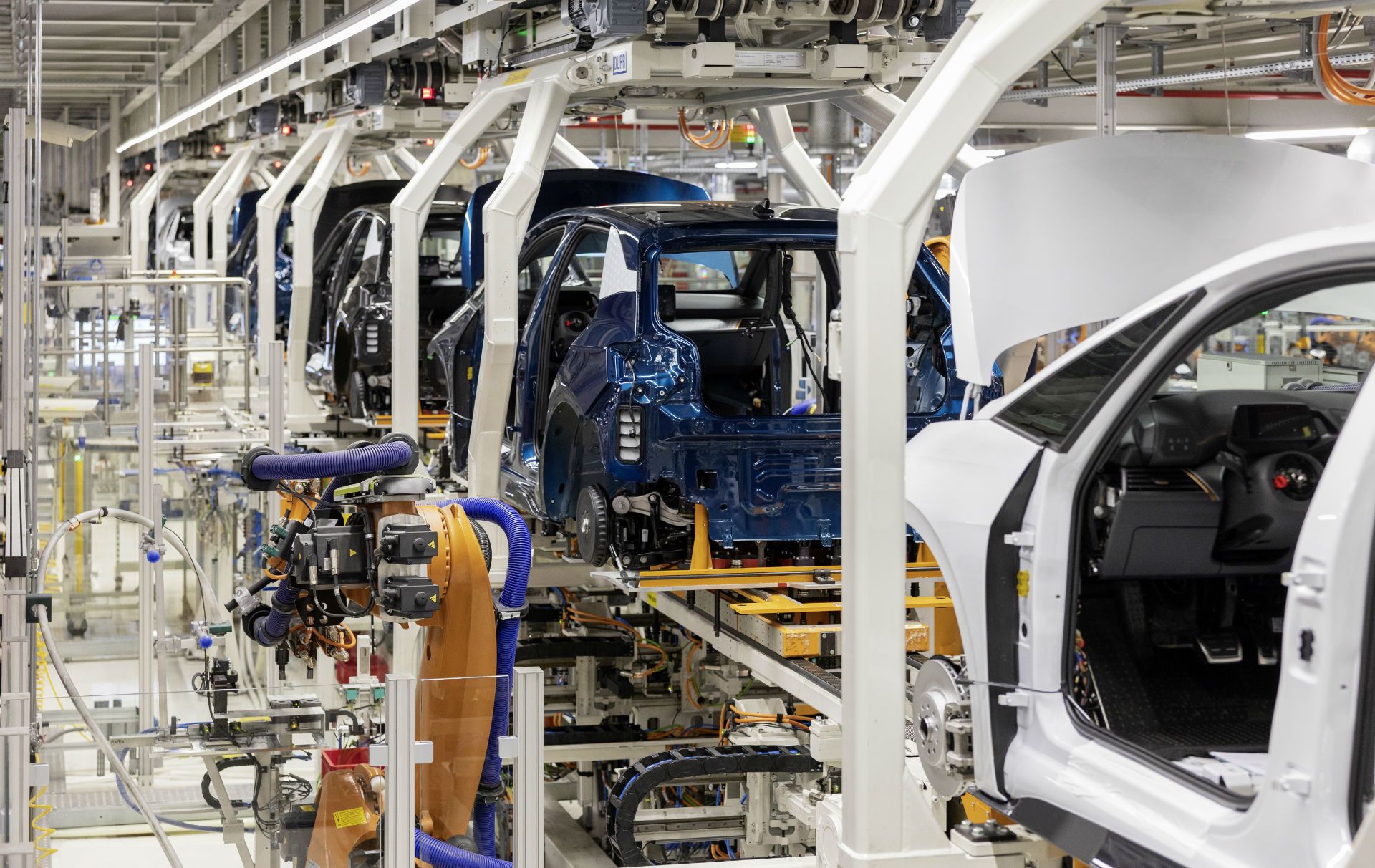
In truth, though, the real environmental impact occurs before an electric car has even left the factory floor.
Electric cars are expensive
EV owners, whether charging their cars at home or in the wild, have seen prices increase by nearly 40% in 2022/2023. Further price rises are expected. Owing to the fact that the price of electricity is linked to that of gas. Which has become ever scarcer since Russia has limited its gas supplies to Europe since the Ukraine war began.
High prices are also caused by shortages of batteries. Along with raw materials like lithium and components like semiconductors. Strong demand for electric vehicles from affluent buyers means that carmakers have little incentive to sell and develop cheaper models.
For low- and middle-income people who don’t have their own garages or driveways, another obstacle is the lack of enough public facilities to recharge.

Electric cars use energy made from fossil fuels
Most of America’s (and many other countries) electricity still comes from fossil fuels. So electric vehicles charged by that source of energy indirectly generate greenhouse gasses. But as sources of electricity transition from fossil fuels, the infrastructure of electric vehicles and charging stations will be in place and will facilitate the reduction of greenhouse gases.
The trend toward electric vehicles will stimulate the reduction of greenhouse gases but not guarantee it.
If you assume electric vehicles are drawing their power from the grid in the United States, which typically includes a mix of fossil fuel and renewable power plants, then they’re almost always much greener than conventional cars.
Even though electric vehicles are more emissions-intensive to make because of their batteries, their electric motors are more efficient than traditional internal combustion engines that burn fossil fuels.

