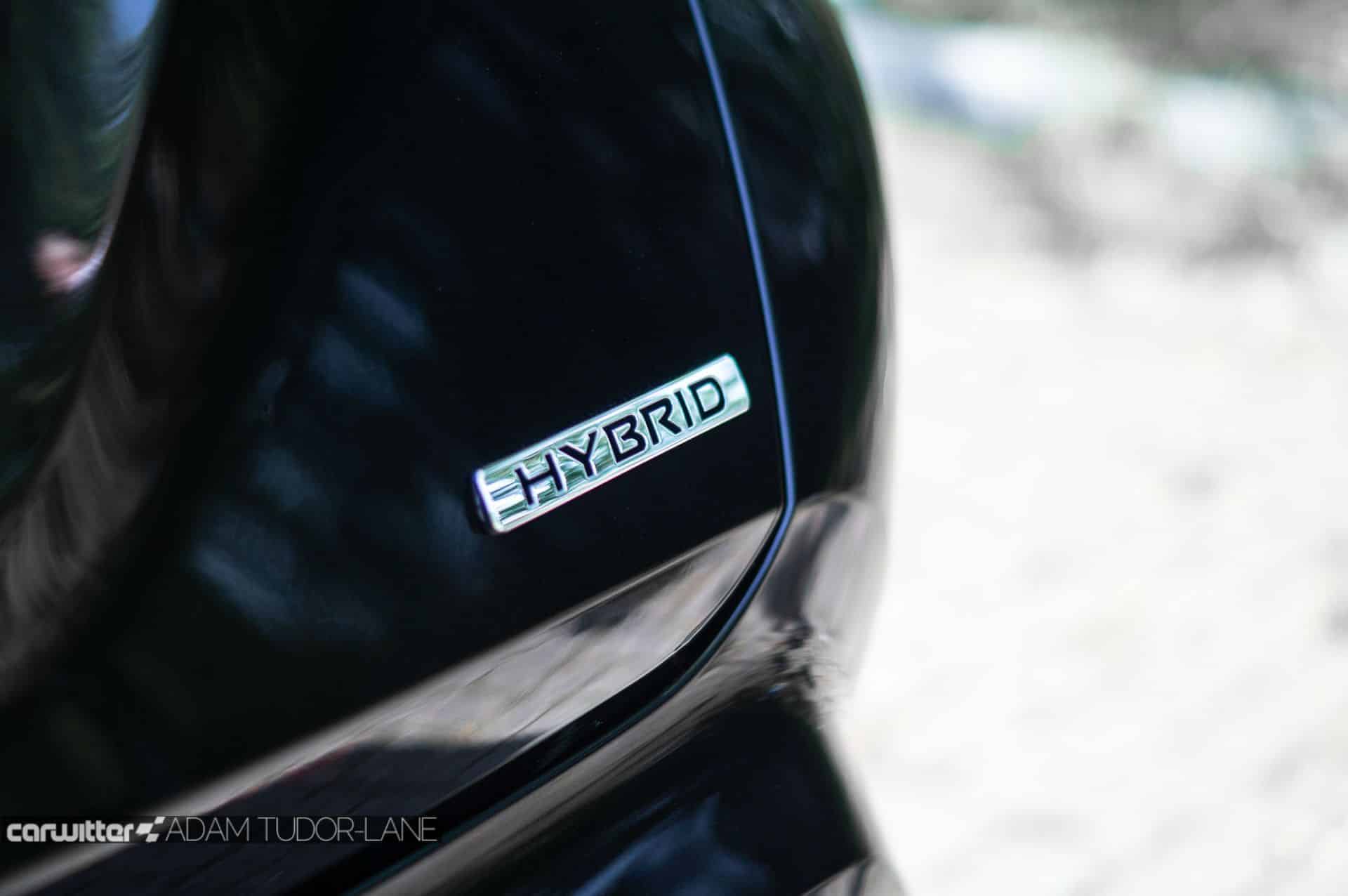
It’s been a minute since we last piloted a Juke, and the new Nissan Juke Hybrid doesn’t disappoint.
Priced from £27,250, there are three trim levels, N-Connecta, Tekna (£28,750) and Tekna+ (£30,150). The price increase for the hybrid over the ICE DCT is £1,730. Compared to a manual ICE vehicle, the price difference works out at a chunkier £3,230.


Looks
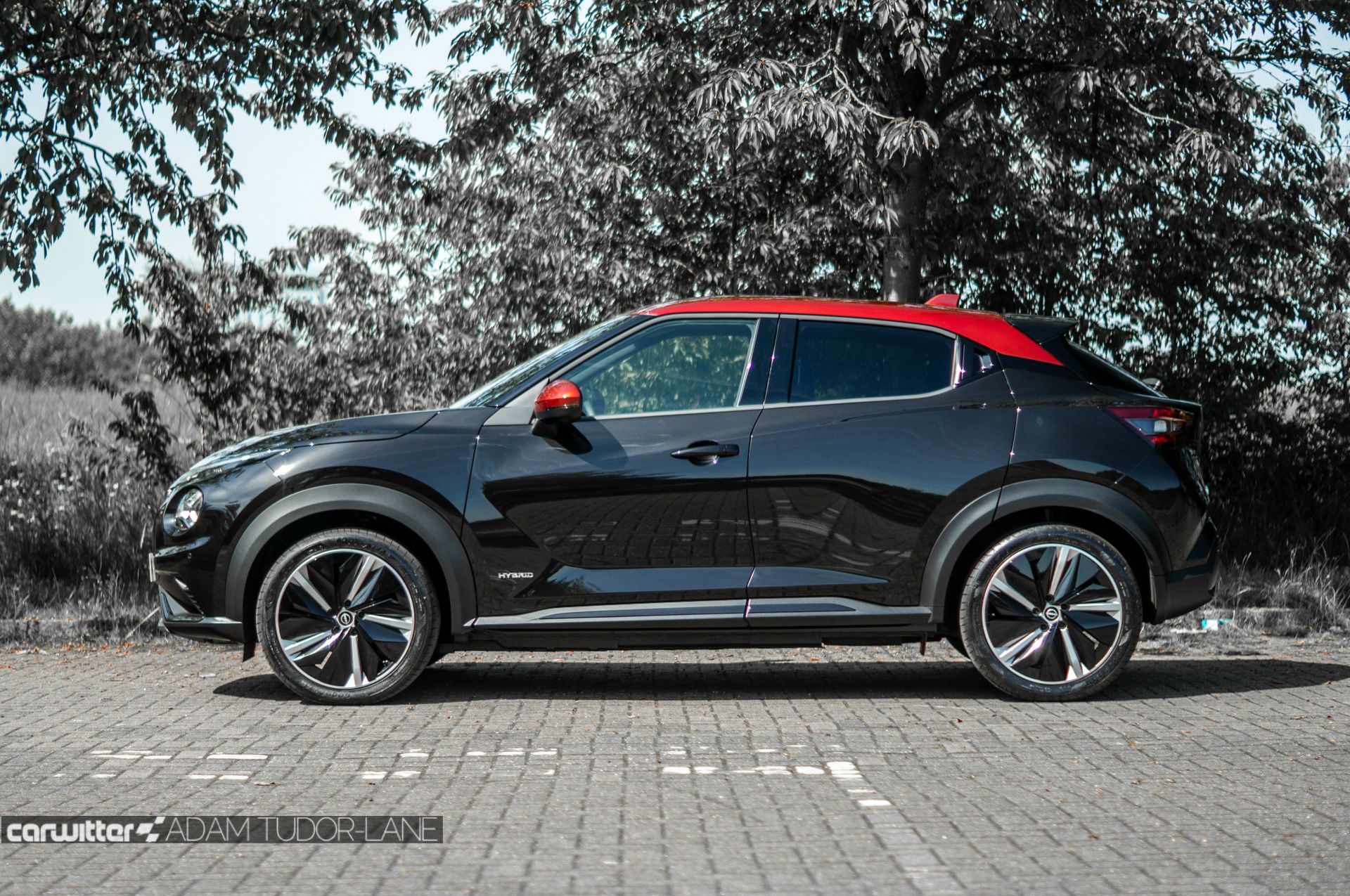
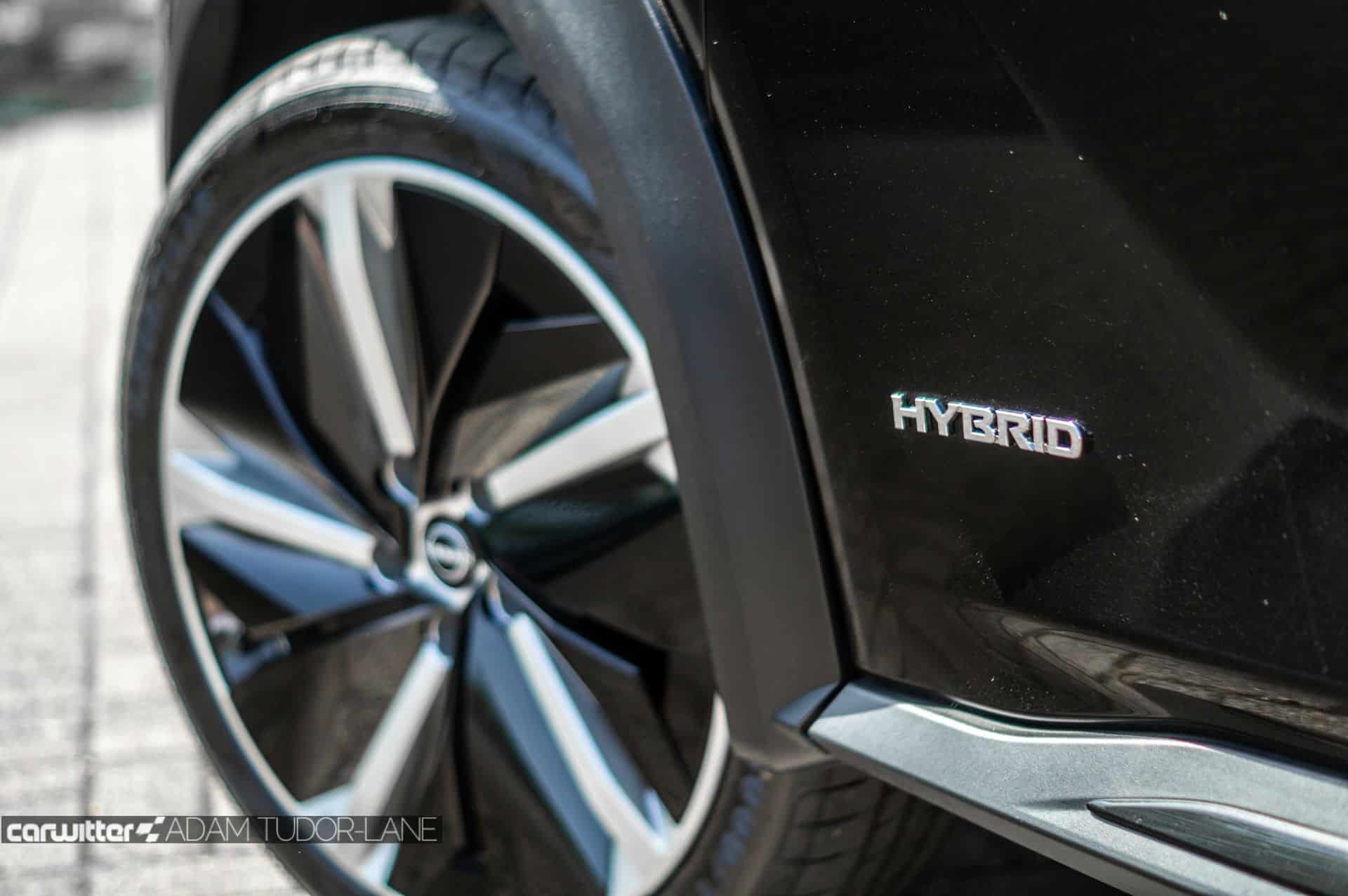
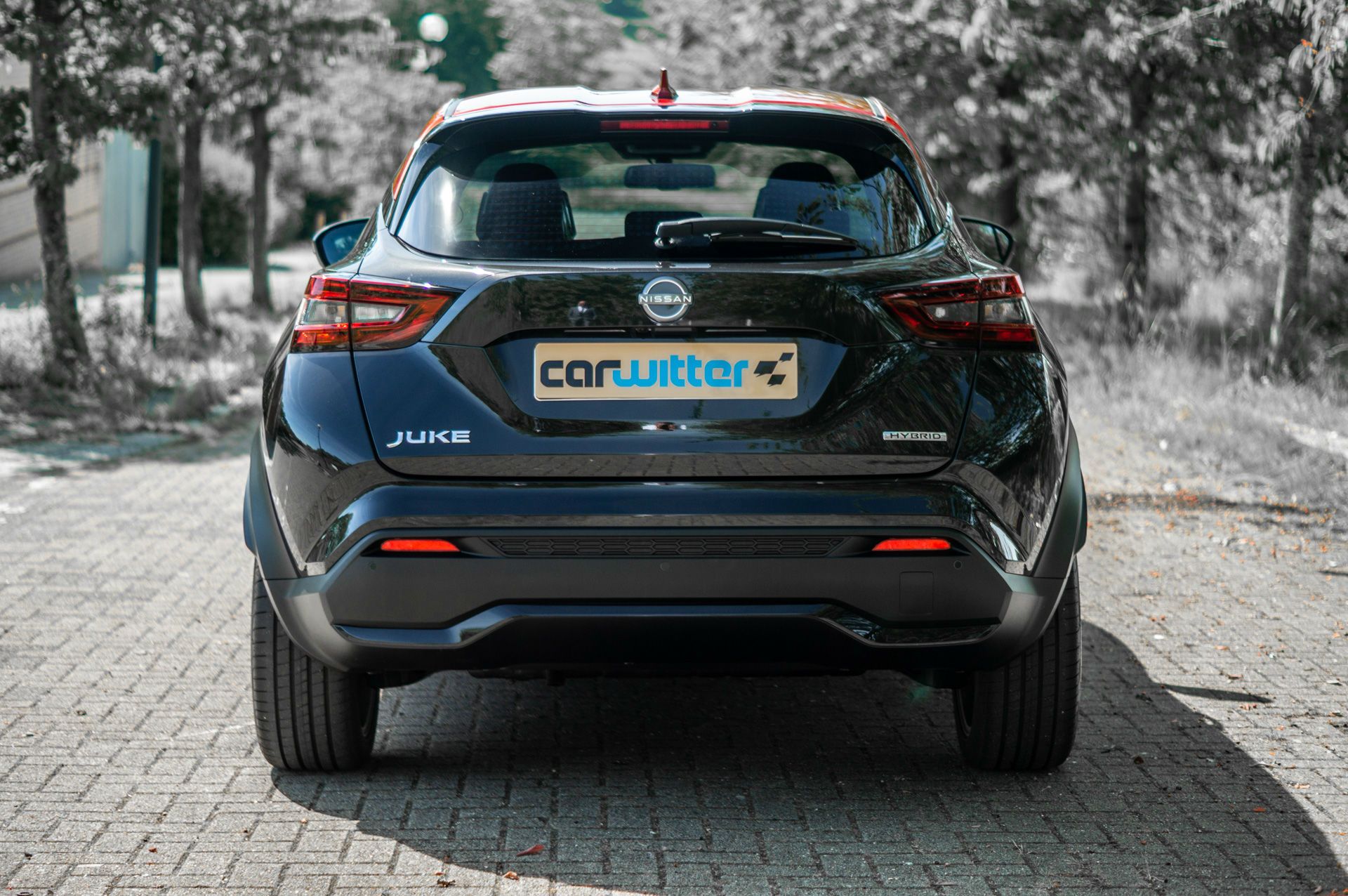
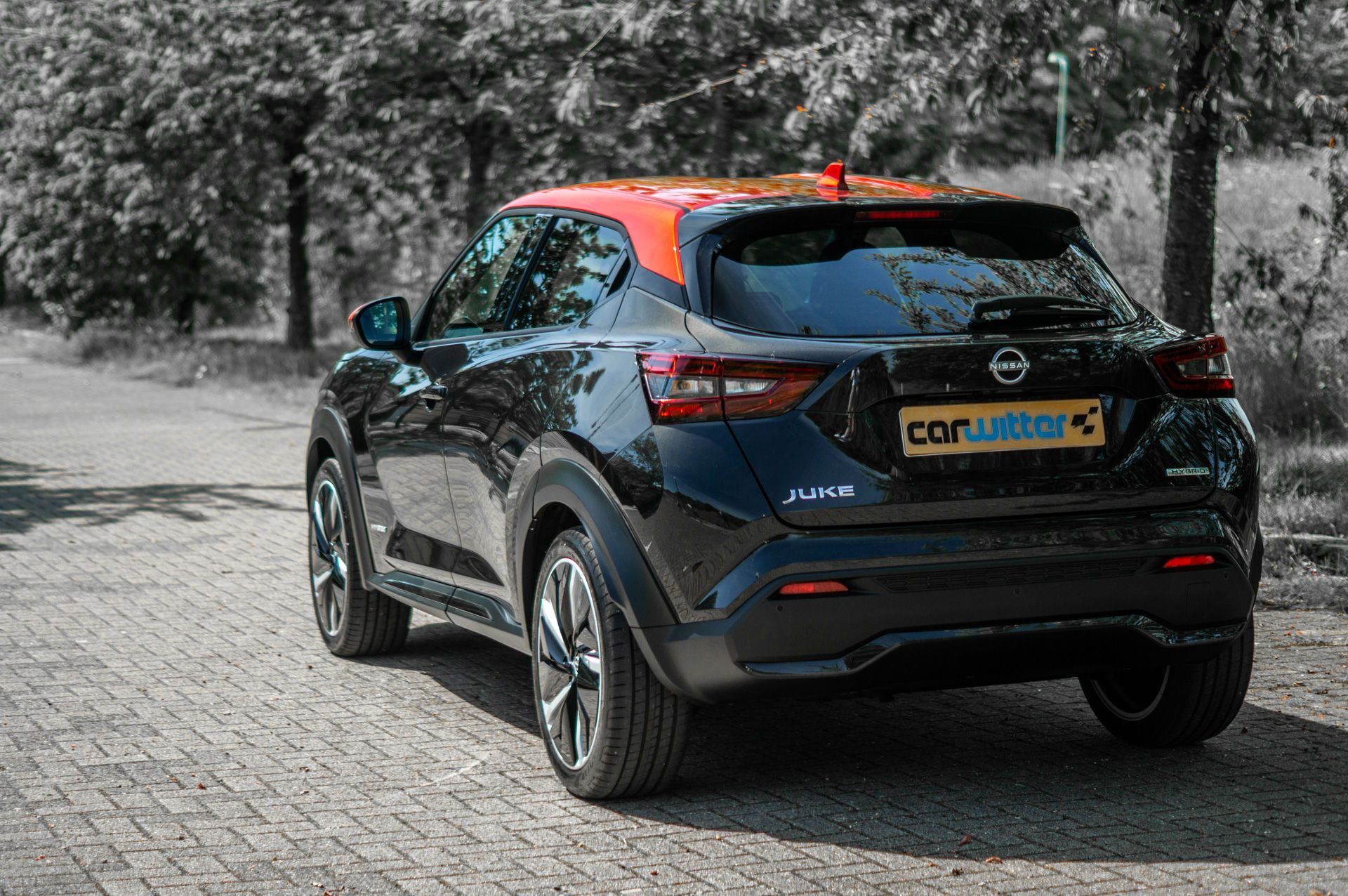
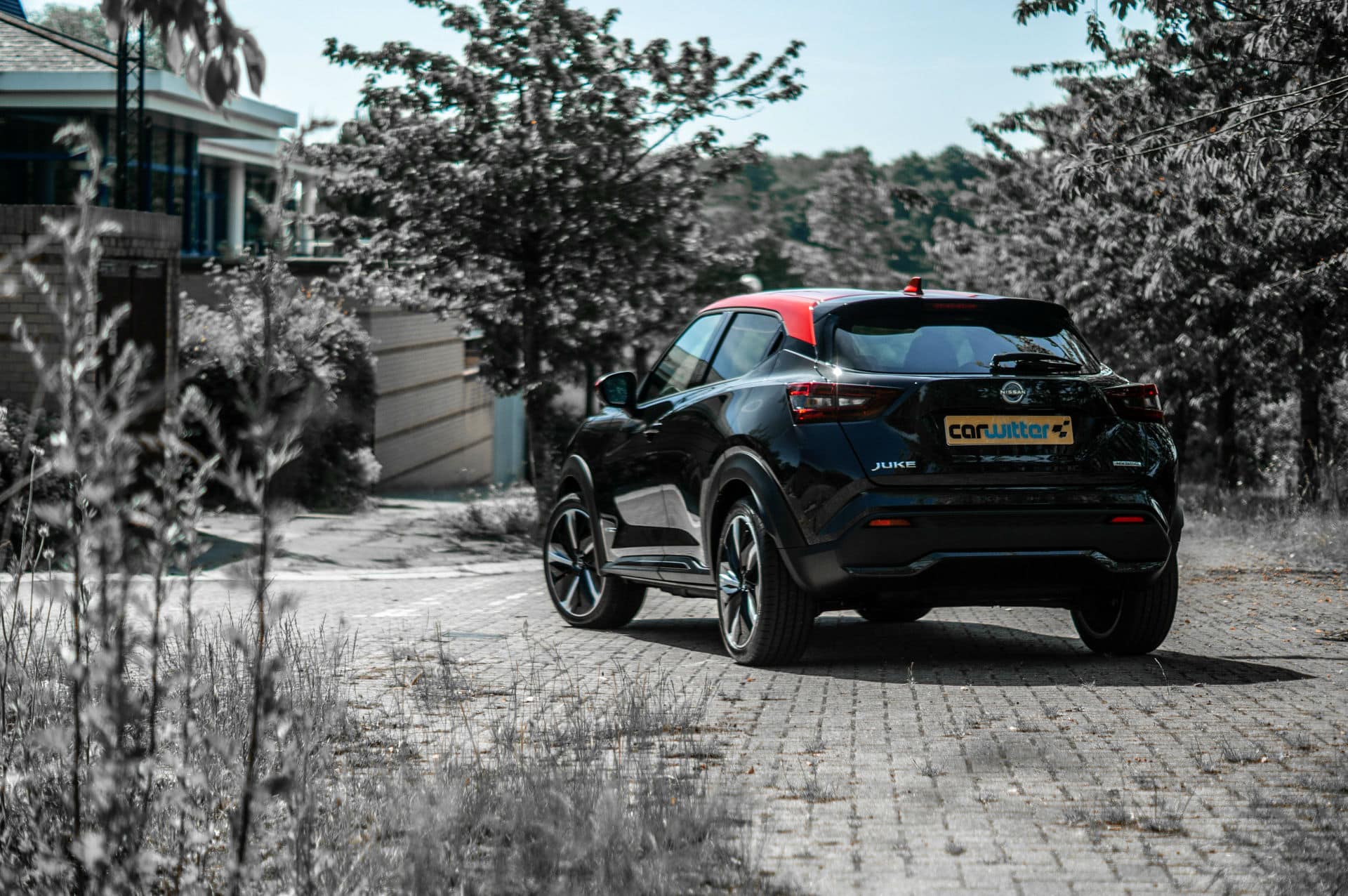
There are a few subtle design differences that set the hybrid apart. The black bar along the front of the bonnet – which is the electrified Nissan brand signature, Magnetic Blue and a Ceramic Grey paint options, hybrid badging on the front doors and rear, and new 19″ ‘Aero’ alloy wheels.
It’s a smart looker compared to the somewhat ungainly first-gen Juke, cleaner, meaner and more muscular with that ‘Nissan Electrified’ Ariya face to it.
Drive
Now the Juke Hybrid only packs a 1.2 kWh battery, so don’t expect miracles here. Nissan claims up to 20% savings on fuel with the system, and while it’s hard to verify that on a short launch drive, we saw MPG hovering around the 45 mark over mainly town driving, which is a little way off the claimed 55 combined figure.
But now, the good bit, a 25% increase in power bumps performance up to 142 bhp thanks to the 48 bhp electric motor. When out on the road, you certainly notice the spritelier nature that torque brings with it; it’s almost turbo-like in the way it delivers the power. While it’s far from g-force inducing, you do notice the extra little shove when accelerating hard.
Toggling through the different modes gives Eco and Sport options, which change the throttle feel nicely.
But one thing that is quite incredible is how Nissan meshed the electric motor and the internal combustion engine. Usually, this is done by a CVT (Honda, Suzuki, Toyota etc.), and it’s fine, but you get the occasional random rage of revs, and even though it’s largely smooth, you can notice a mild jolt when the motor kicks in. Not so in the Juke.
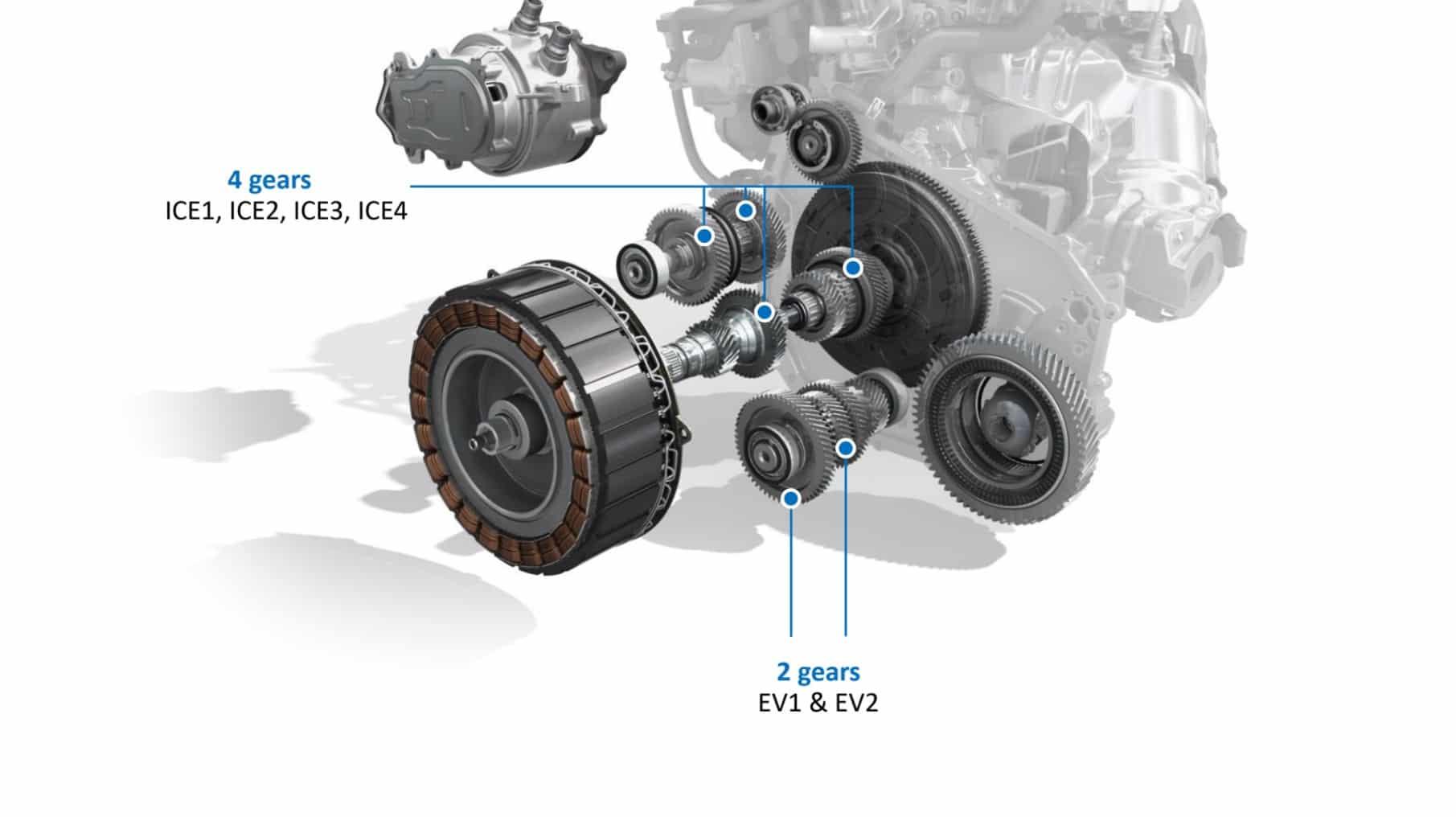
The way Nissan has gone about it is to almost combine two gearboxes in one. So the EV element has two gears, while the ICE has four. These can then combine via a clutch system to work in parallel. The whole thing looks like a huge mass of cogs, and it boggles the mind to wonder who on earth thought up such a thing.
Anyway, the main takeaway is that it’s buttery smooth. Like, incredibly so. As hard as you try, you cannot tell when EV power is cutting in or out. It also enables you to do something incredibly cool, one-pedal driving – just like most EVs. Press the ‘e-Pedal’ button just by the armrest, and the Juke Hybrid will slow down to 5 MPH when you let off the accelerator, all without touching the brakes. While that’s normal for any EV, it’s like black magic in an ICE vehicle.

Our Juke sat on the bigger 19″ ‘Aero’ alloys, so you felt lumps and bumps a bit more, but the ride was by no means crashy, just on the firmer side. It would be interesting to see how much more supple a set of 17s would feel.
0-62 MPH drops from 11.8 seconds to 10.1 due to the hybrid boost; not quick, but far better than a regular 1.6 litre Juke. You can drive in EV mode, but only up to 34 MPH and for a few miles at best.
Interior
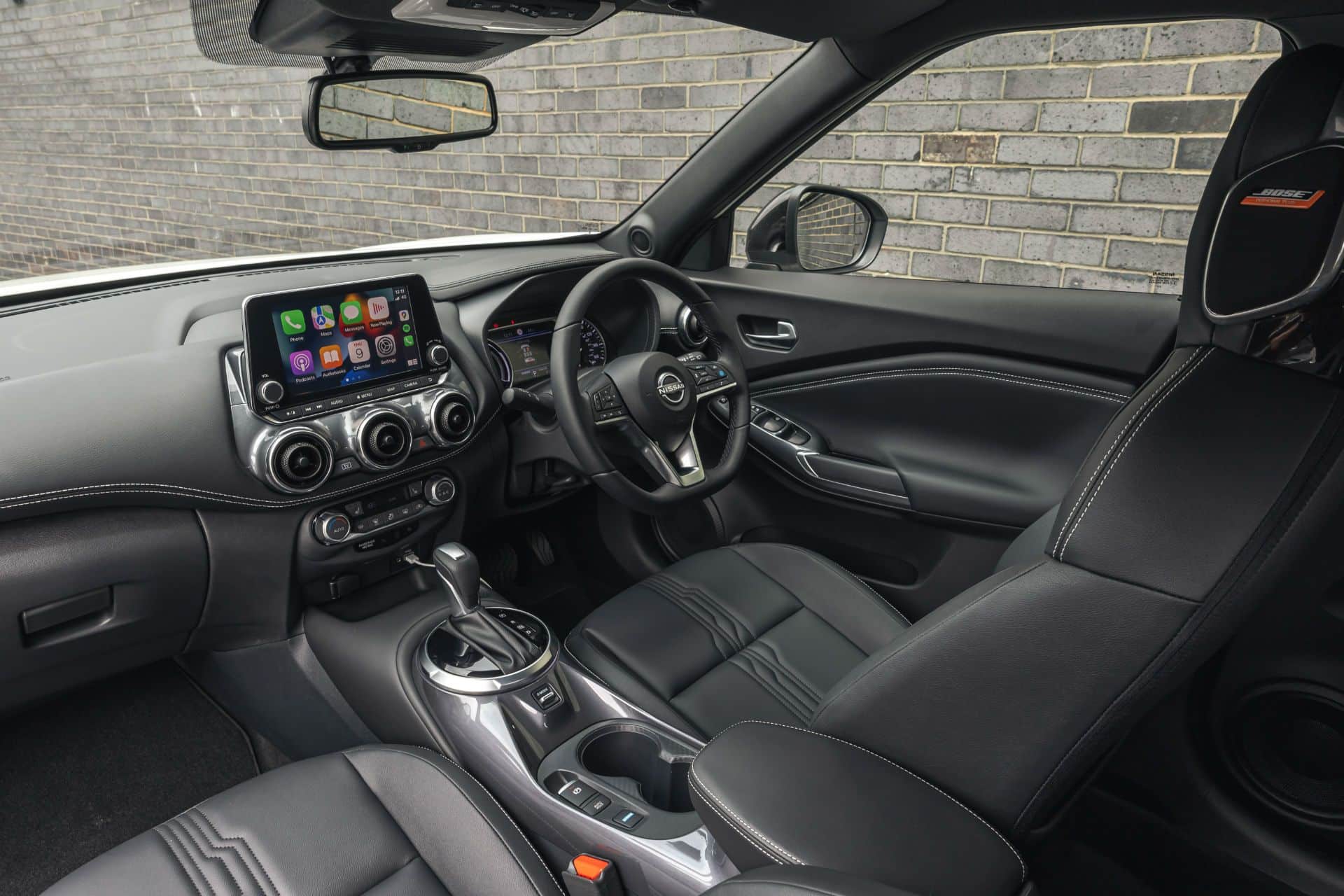
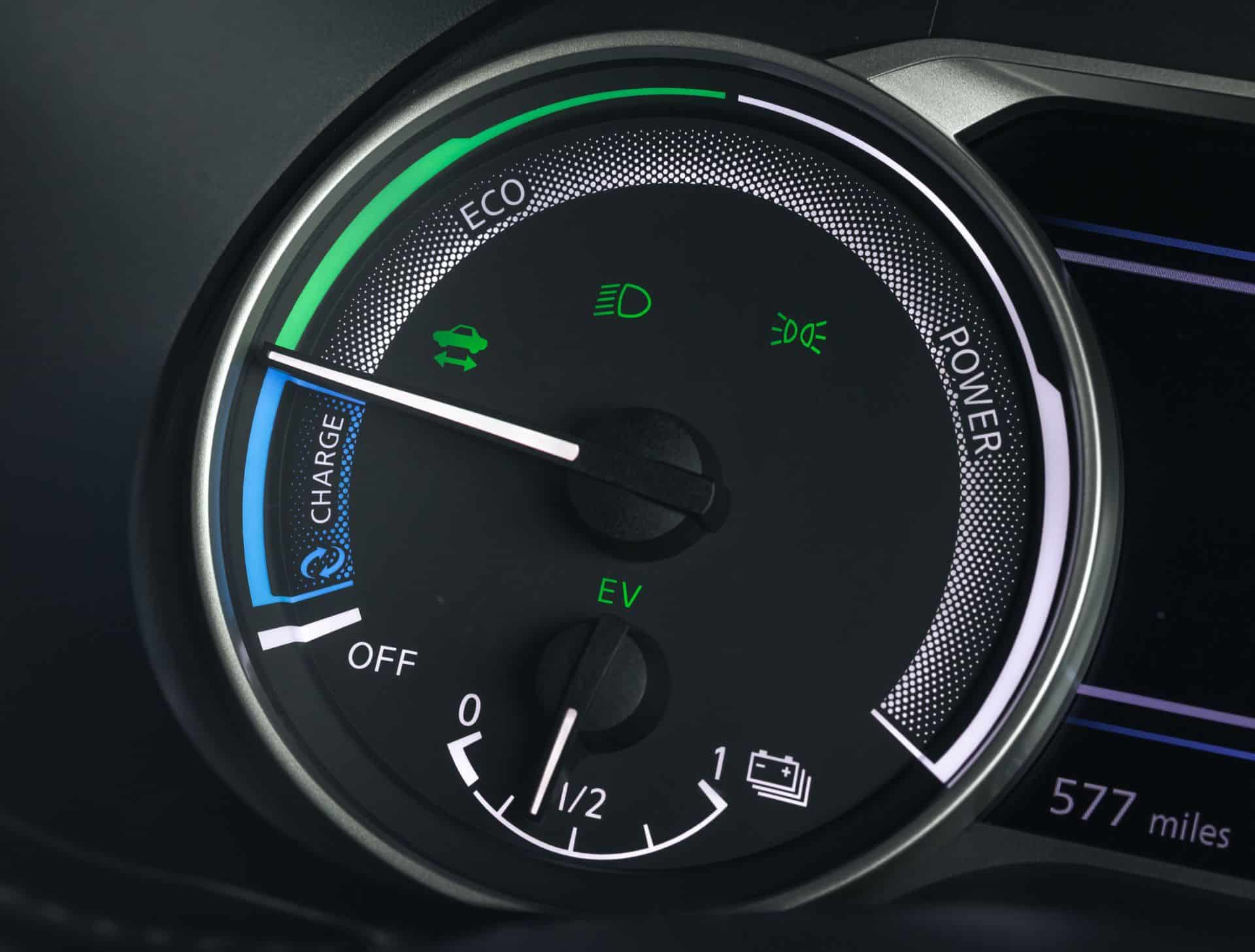
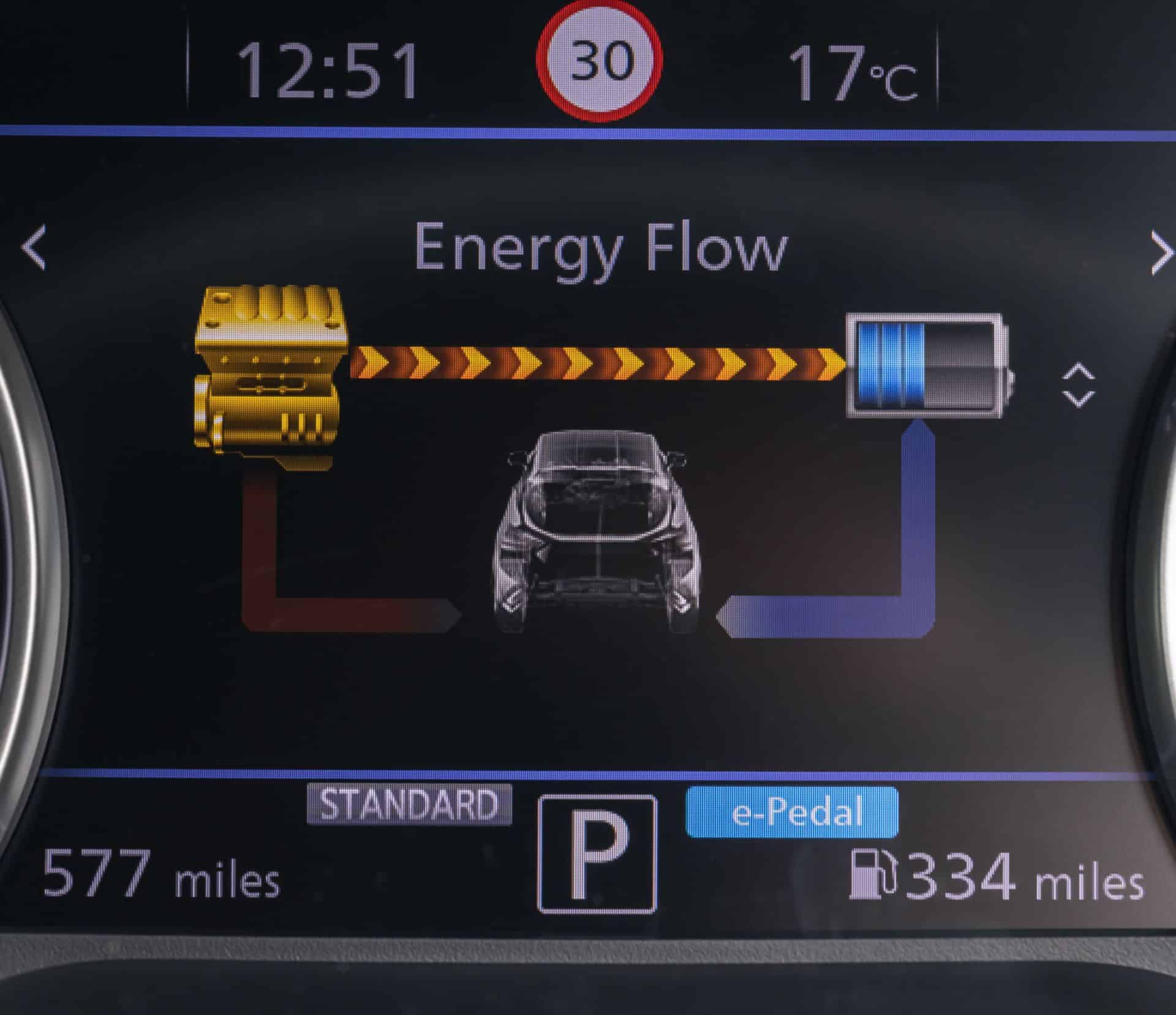
In the driver’s seat, you’ll find the normal rev counter replaced with a ‘Charge, Eco and Power’ gauge along with an energy flow graphic showing what powertrain is in use or recharging as you drive.
Beyond that, it’s pretty busy with pods and buttons; you could say it’s looking a little dated compared to the more minimalist look of the latest gen Qashqai. You get Android Auto and Apple CarPlay as standard, but the 8” touchscreen feels somewhat cramped compared to new offerings.

Due to the battery being in the boot floor, capacity is reduced to 354 litres (down 65 from the ICE version), which means it’s less than the Skoda Kamiq and SEAT Arona – but still plentiful for a few bags or gear for a weekend away.
Nissan Juke Hybrid Conclusion
While it remains to be seen how much fuel the hybrid system will save you in real-world driving, it will undoubtedly help – even if marginally. But in terms of the performance boost, that alone makes the Juke a far more engaging proposition than its petrol brother.
In terms of spec, the middle of the range ‘Tekna’ mixes the best value for money with the blind spot alert, intelligent cruise control, traffic jam pilot, Bose Personal Plus system and the heated seats – plus 19” alloys. Prices for ‘Tekna’ start at £28,750.