
I haven’t had the pleasure of driving the ID.4 as of yet, but from a potential buyers standpoint, don’t buy a VW ID.4.
VW’s big push to go electric has gotten off to a reasonably old school start, especially since the new MEB platform was clean-sheet design.
Worryingly, Ford has also partnered with Volkswagen on the platform, which means it won’t just be confined to Audi, SEAT, Skoda and VW models.
Don’t buy a VW ID.4, but why?
Considering this is VW’s first all-out attempt at an EV, it’s as though they’ve taken a last-gen approach to development. Likely due to cost-saving and scalability, but other marques have done it far better.
It’s almost as though they’ve cut and pasted traditional ICE chassis designs into creating MEB.
You only have to look under the bonnet as Sandy Munro shows in his latest YouTube series to see that the ID.4 looks the same as any other ICE turned EV car to date – MG ZS, VW e-Golf etc

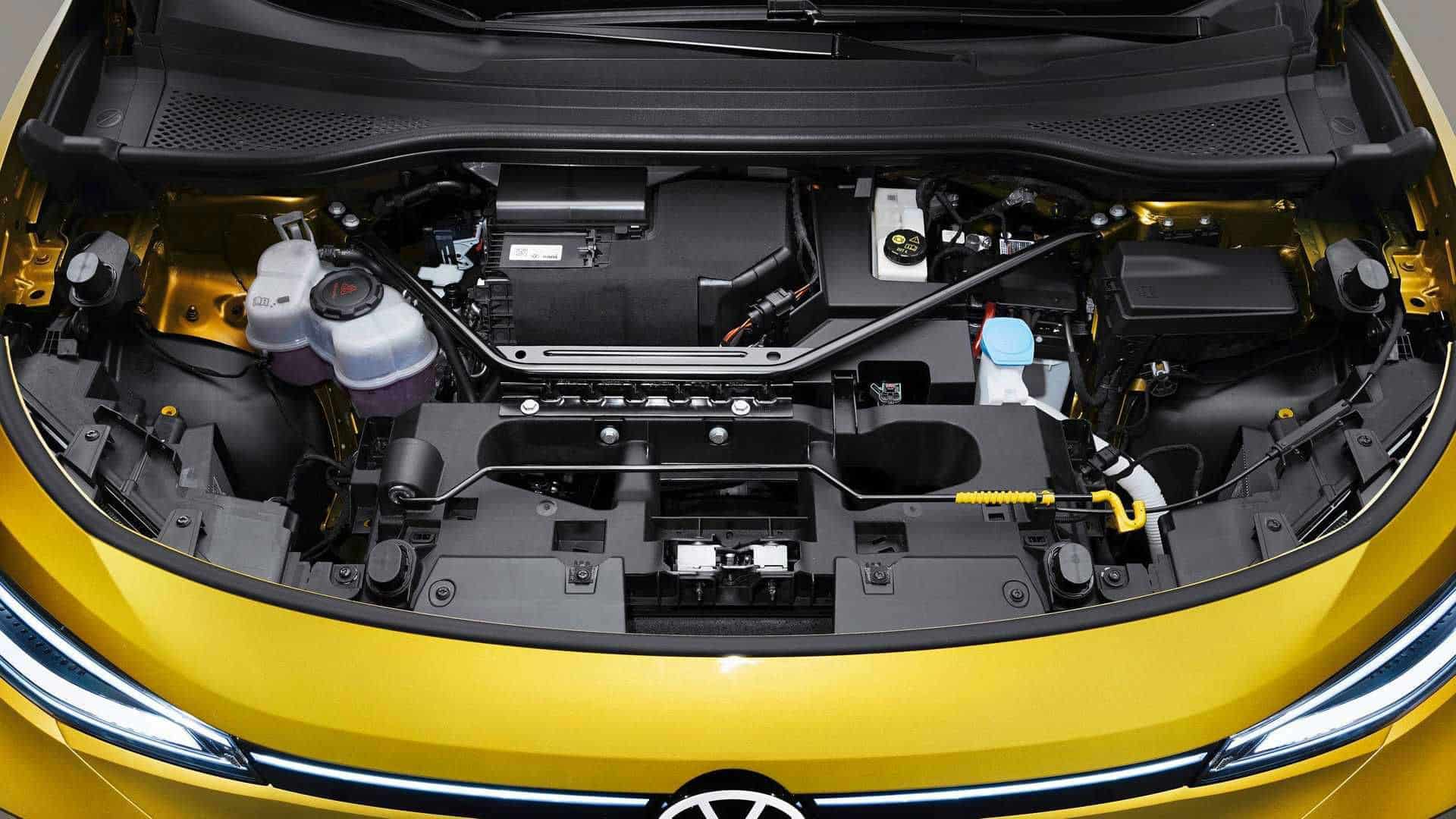
Instead of a frunk, you open the bonnet on the ID.4 to find…well, the electric ‘engine’. There’s no storage space at all. While this isn’t a huge deal for most, it’s also a massive difference between the main competition – Tesla.
And it’s just the start of the cost-cutting measures. So while you’re paying the same money as a comparative Tesla, the tech beneath that modern-looking VW skin is decidedly last-gen.
The differences between the VW ID.4 & Tesla Model 3
Taking a look at what Munro finds when the ID.4 is up on the ramp, the differences between the build and tech used on a Model 3 vs the ID.4 are night and day.
By the looks of it, little to no effort has gone into making this platform lightweight using any sort of large scale aluminium casting.
There’s significant steel bracing in the front, to go with the heavy steel bonnet. Further back Munro points out the basic nature of the suspension being a coil and damper, followed by drum brakes…yes, drum brakes (although apparently there’s a great reason for that), then at the rear suspension there are two rather large steel stampings instead of a nice, light, five bar setup as the Tesla has.
It’s almost as though the actual MEB design has either been rushed to production to try and compete with other EV’s, or development costs were scant. Instead of ground-up thinking, corners have been cut, and tradition has prevailed.
Tesla vs VW
At the end of the day, a VW ID.4 will set you back anywhere from £41,570 to £49,990, a Model 3 comes in at £40,990 to £48,490, and the Model Y is going to be similarly priced for a vehicle roughly the same size/abilities as the ID.4.
In terms of size, the Model 3 and ID.4 are pretty similar. Yet the weight of the ID.4 is upwards of 2049kg, depending on the trim. And the Model 3 Long Range? 1847 kg. Which no doubt aids the 4.2 0-60 time as opposed to the ID.4’s 8.2.
Yet with the ID.4, you’re getting a considerably last-gen setup. That underlying technology is what could be called classical architecture, as opposed to the lightweight, fully optimised, ever-improving platforms that Tesla create. So don’t buy a VW ID.4.
Why does that matter, you ask?
Because you’re paying the same money for each car. VW is likely making a pretty profit due to the old school underpinnings of the ID.3 and ID.4.
Rather than make a stonkingly good EV which is lightweight, has excellent range and is filled with the latest tech; they’ve continued doing what they know how to do, build heavy vehicles filled with steel and kept profit front and centre.
Few manufacturers are getting this shift change right. Currently, Honda seems to have the right idea; BMW did with the i3 but have wasted that initial forethought by ditching bespoke EV designs. Nissan has always built EV first with weight saving and fresh thinking; Jaguar also made great strides by creating the I-PACE from 94% aluminium.
Weight is the arch-enemy of battery tech right now, hence the plethora of hideous large SUV’s we keep seeing. While we’re on that note, the ID.4 isn’t really an SUV. Ditch that black banding on the lower sill, and it’s pretty clearly an MPV; remember those?
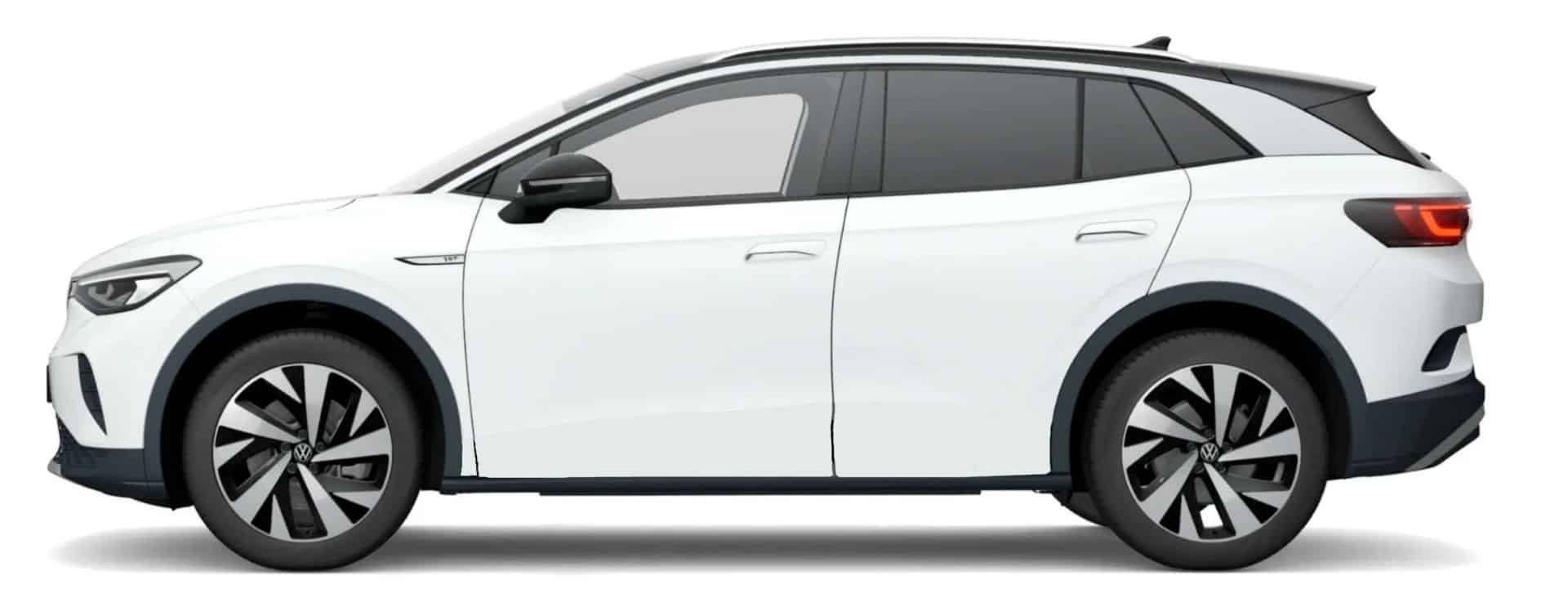
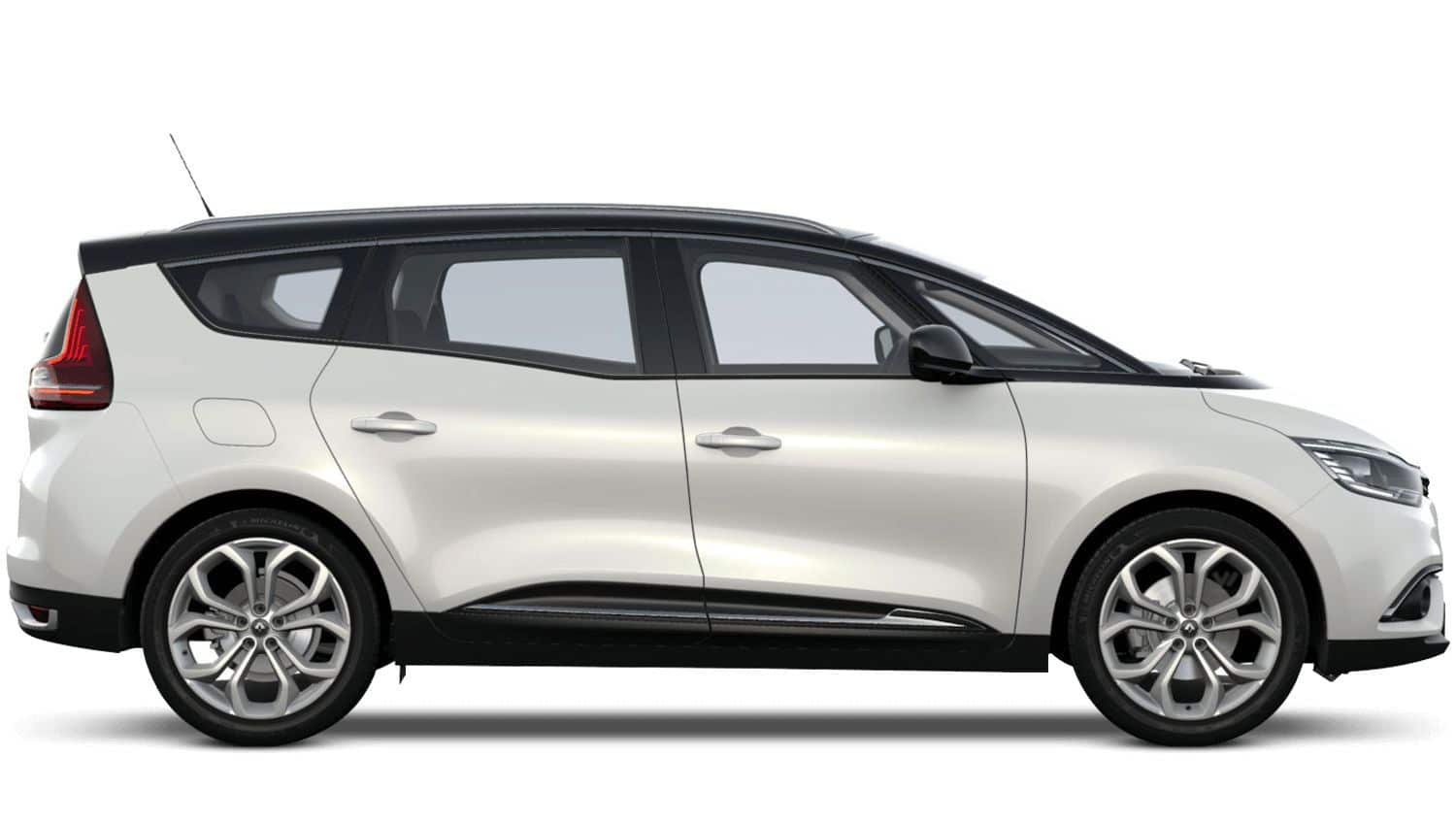
It’s incredibly disappointing to see the world’s second-largest car manufacturer field such a poor effort when it comes to a first attempt.
They’ve had the time to dissect, study, and improve upon the rest of the field before showing their hand…and this is what they came up with.
So, for now, don’t buy a VW ID.4, stick with Tesla. After all, it’s the same money, and you get a charging infrastructure that actually works.

