
Modifying your car can be an excellent way to personalise it and make it your own. There are thousands of cars on the road, so making a few changes can make it cool and unique. Whether you want to add coloured lights, change the exhaust or add personalised plates, there are a variety of different modifications that you can make.
A change to your vehicle is classified as a modification when the vehicle no longer matches the original specifications from the manufacturer. It can be anything that changes the aesthetic of the car such as the paintwork, body kit and wheel accessories, to the performance of the car, which may include increasing the horsepower, updating the suspension or changing the filtration. If your car is damaged and you replace the broken piece, that is not classed as a modification.
Unfortunately, not all modifications are legal. It is important to understand what modifications you can make, so you don’t get into trouble. Some modifications are acceptable, but you need to follow certain rules to ensure they remain legal.
If you are thinking of modifying your vehicle, here are some of the most important things that you need to know.

Only some modifications are legal
Not all modifications are legal. This is because some are deemed to be unsafe to the driver and other drivers on the road. It is important to understand which modifications are legal, and which ones are not, so you can make the right choices. The last thing you want is to invest your time and money making modifications, only to have to return your car to its original state. It will be a complete waste, not to mention you are putting yourself at risk of being in trouble with the law and receiving a fine or penalty. To help you decide, here are some of the illegal modifications.
Tinted headlights
It is illegal to have any random colours on the rear or headlights. Only yellow or white colours are allowed on the headlights and red lights for the rear lights. Light bulbs must be road legal, for example, ECE R37 regulation and should never be dimmed by more than 50%.
Exhausts
Loud exhausts are extremely popular, because of the thrill and attention that they provide. While a roaring exhaust can be exciting, it can be illegal and irritating to others. There are rules in place that state that any modifications to exhaust cannot exceed 74 decibels.
If the noise is the same, but the management system emissions control system is modified, you will need to get it approved under the Individual Vehicle Approval (IVA) scheme to ensure the emissions are safe and compliant.
Using Nitrous Oxide
Nitrous Oxide is used in cars to modify the engine and increase the cylinder pressure. This facilitates an increased level of oxygen into the engine, which is supposed to make the vehicle drive faster. Unfortunately, this modification is illegal because it is deemed unsafe. This is due to the engine’s capabilities, as in some cases, it cannot handle the additional stress and can damage the engine. Adding Nitrous Oxide requires meticulous ratios of fuel and air. If you are not careful, the engine could explode.
Other modifications have to be carefully completed. For example, neon lights are only legal if the tubing is not visible and the lights are attached to the bottom of your car. You have to make sure they do not flash and are not too bright, so they don’t distract other drivers on the road. Customised number plates are also legal, as long as they are official DVLA number plates.

Modifications will impact your insurance
Any modifications that you wish to make, have to be reported to your insurance company, no matter how small they are. This is because they may change the contract and the cost that you owe. The purpose of car insurance is to protect your vehicle, you, and other people on the road. When you apply for car insurance, you are required to put in all of the details about your car. Anything that is above the standard, will raise questions for the insurance company. You are required to be fully transparent, so they can assess your case and provide you with an updated quote.
If you have changed the performance of your car, for example, you have upgraded the suspension or the engine management system, your car insurance company may consider it a higher risk of causing trouble on the road. If you have changed the aesthetic of your vehicle, your insurance company may deem it a higher risk of being stolen. Due to these increased risks, you may find that your insurance company increases the premium charges.
Some of the most common modifications that may increase your car insurance are:
- Reprogramming the engine performance
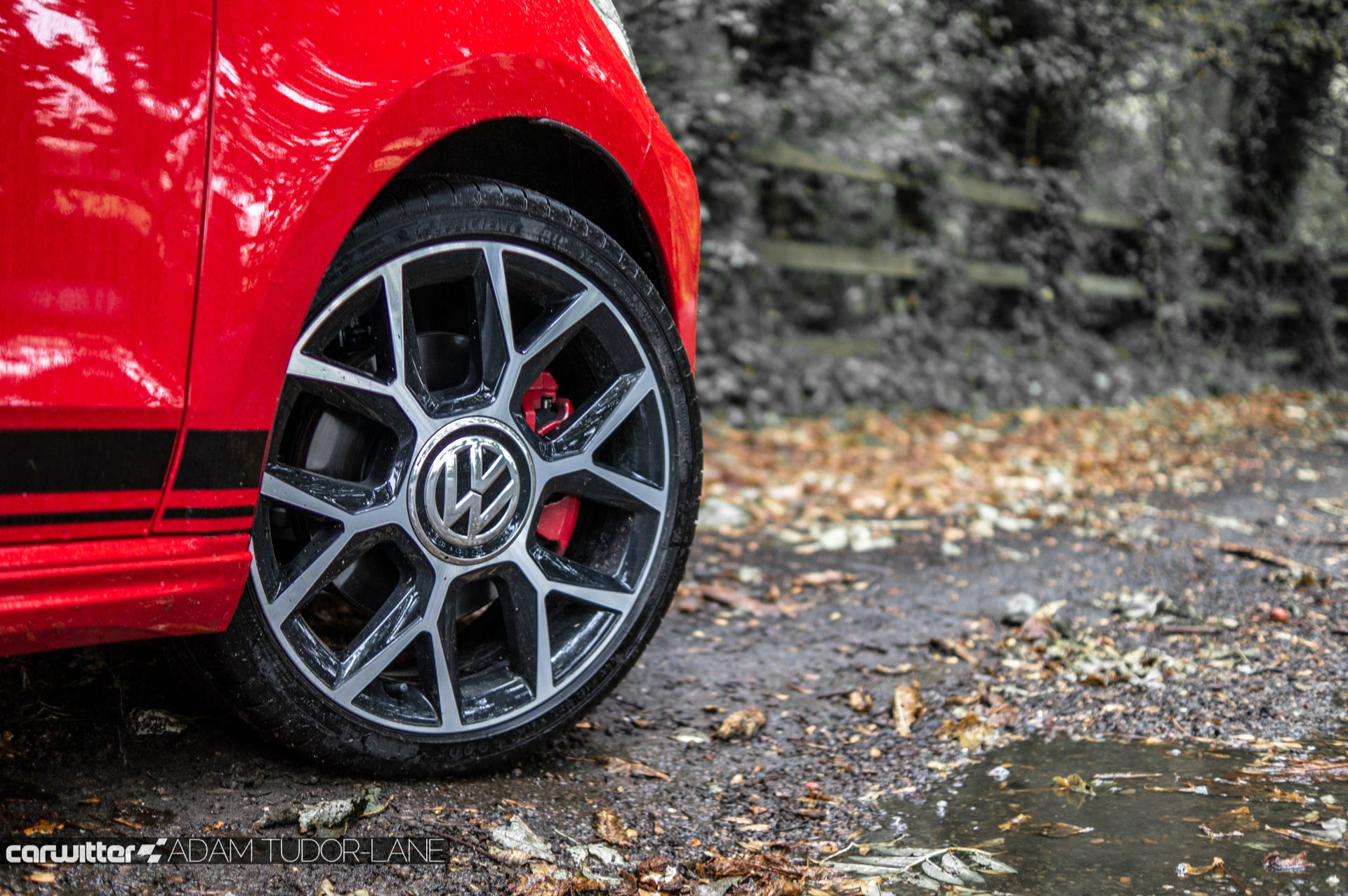
- Wheel arches, spoilers, paint jobs
- Alloy wheels
- Body kits
Not all modifications pose a higher risk, so it might be that your insurance costs stay the same, or decrease. This will only be in the case of making your vehicle safer, for example, upgrading your brakes.
Some of the most common modifications that may decrease your car insurance are:
- Anti-roll bars
- Suspension changes that improve handling
- Parking sensors
- Increasing efficiency by downsizing the engine
It can be helpful to speak to your insurance company before you make any changes, so you can find out how your contract and premium are going to change. This will ensure you make the right decisions from the outset.
If you fail to inform your insurance company, you may later find yourself in a position where your insurance becomes void. This can be disastrous if you are in an accident, your vehicle is damaged or stolen, or if someone claims against you, you will not be able to file for compensation.
Modifications need to be disclosed if you decide to sell your car
If you make modifications to your car, and then later decide to sell it, you will need to ensure that you inform the buyer. This is so they can make a decision, as modifications are going to impact a variety of things. For example, they may wish to find out how much extra they are going to have to pay in insurance premiums.
It can become complicated when trying to sell your vehicle with modifications, so it is important to think about this before you make any changes to your car, especially if you plan to sell it in the next 5-10 years. You may wish to only make changes that can easily be changed back to normal before you sell it. You should make sure that all your modifications are legal, completed with high-quality fitted parts, completed properly or by a professional, does not impact the warranty, and check for any damage that they could be doing to the vehicle.
Make sure you keep hold of all the receipts that you have for the parts and labour when you make modifications, to help the buyer when they are making their decision. While you might be excited to modify the car that you are driving now, it is important to look into how it will impact you and others in the future.

It is important to ensure you are only making modifications to a vehicle that you own, not one that is on finance. The rules for car modifications can change over time. Make sure you stay up to date with the latest legislation before you make any modifications to your vehicle.
