
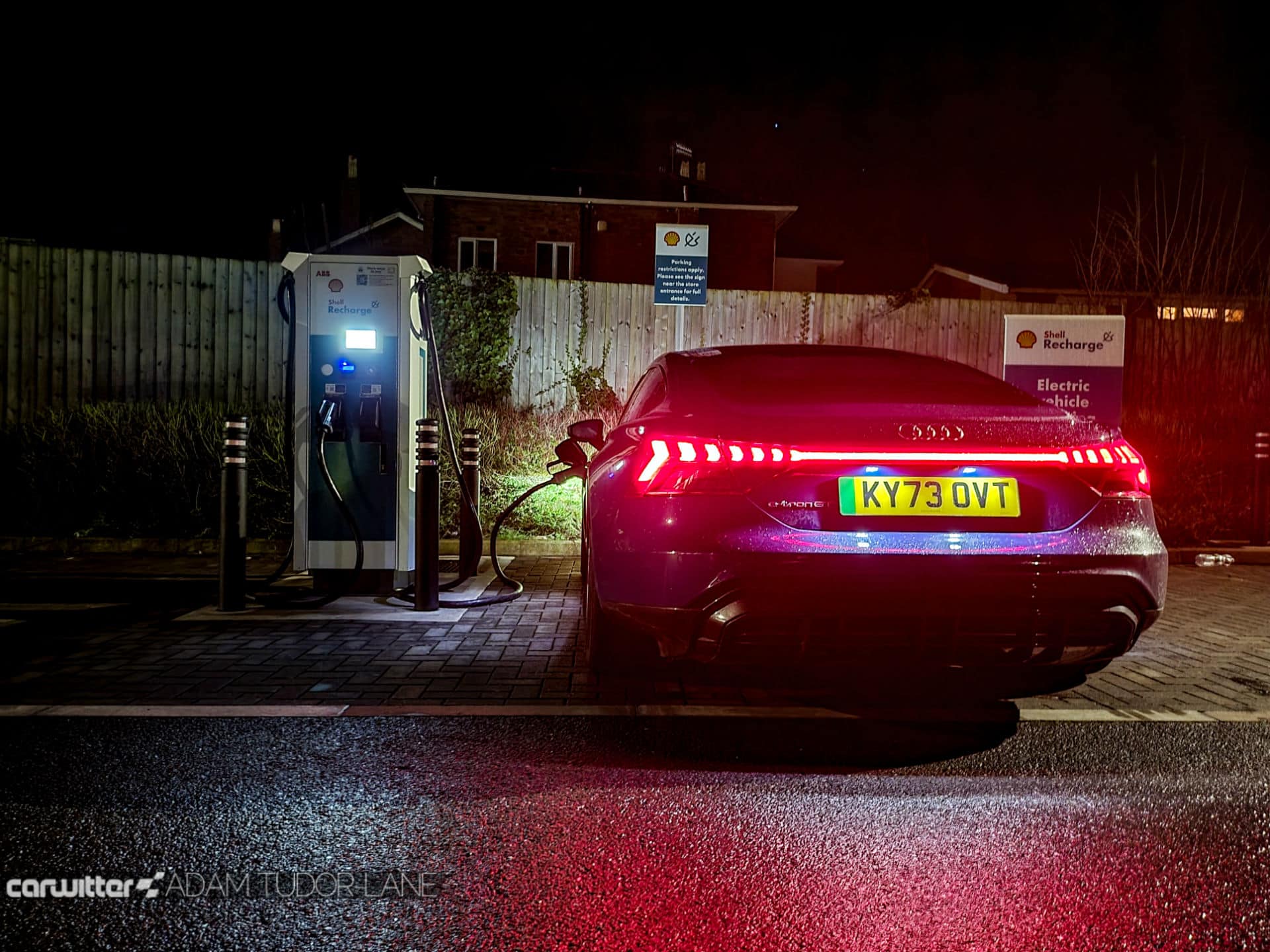
A DC charging station is a high-power charger that delivers electricity directly to an electric vehicle battery. Unlike an AC charger, which relies on the car’s onboard converter, a DC unit feeds current straight into the battery. This allows it to deliver much higher power levels, such as 50 kW, 150 kW or even more, creating a much faster charging experience. These systems form part of the broader DC charger range, which covers everything from compact rapid chargers to powerful ultra-rapid units designed for busy locations.
Because DC chargers operate at far higher outputs, they need more advanced components, thicker cabling and more complex installation work. These technical demands are a major reason why costs vary so much from one site to another. Several elements influence the final price, including the charger’s power level, the number of charging sockets, the state of the existing electrical supply, the amount of construction required, digital systems for payments, installation labour and long-term maintenance.
Typical cost ranges
Prices can vary quite widely depending on the region and the complexity of the project, but the following ranges offer a useful general guide.
Standard AC chargers for comparison
A typical commercial AC charger is relatively affordable. Many installations fall within the low thousands per socket, which makes them popular for workplaces, residential developments or slower paced charging environments.
DC rapid and ultra rapid chargers
DC chargers sit in a much higher price bracket. Rapid chargers that provide around forty to fifty kilowatts often start from the tens of thousands and can rise depending on features and configuration.
Ultra rapid chargers, capable of delivering one hundred kilowatts or more, tend to cost significantly more. It is common for these systems to range from the mid tens of thousands up to the higher end of that spectrum, and the total investment can grow further if electrical upgrades are required.
International studies show a similar pattern. Many high power DC charger installations fall somewhere between the equivalent of several tens of thousands to over one hundred thousand in total project cost. These figures align with what is typically seen across different markets.
Overall, lower powered DC units generally sit in the lower tens of thousands, while higher powered chargers can reach well beyond that once installation costs are included.
Key cost drivers
Power rating and number of outlets
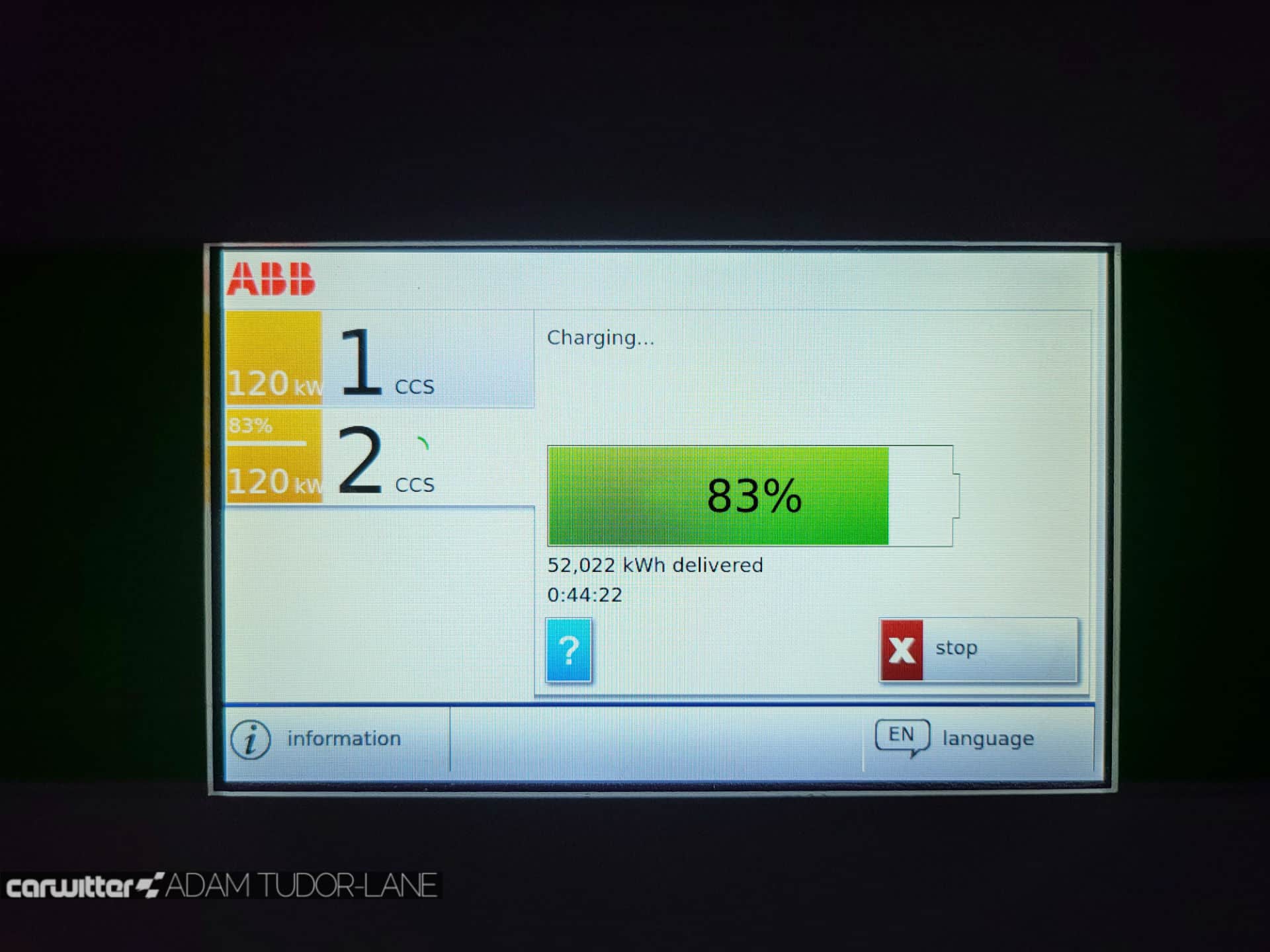
Higher power means more expensive components, more substantial cabling and more demanding support systems. Adding multiple outlets may reduce the cost per socket, but the total cost still increases.
Electrical capacity and upgrades
Some sites require major electrical work to support a DC charger. This may involve new cabling, trenching, transformers, meters or other supply upgrades. These elements can become one of the largest parts of the overall budget.
Site conditions
Every location is different. Long cable runs, access challenges, groundwork requirements and parking layout changes can all affect the final cost. Simpler sites tend to be more cost effective, while complex environments require more labour and materials.
Software, payment systems and monitoring
Public charging points need reliable digital systems for payments, communication, data reporting and diagnostics. They also require ongoing software and network services, which contribute to both upfront and long term costs.
Grants, incentives and installation scale
Some regions offer financial support for charging infrastructure, although the level of assistance can vary. Installing multiple chargers at once often helps reduce costs by sharing groundwork and electrical work across several units.
Future planning and hardware quality
Higher quality hardware or equipment designed for future expansion can raise the price. For example, a charger that supports very high power outputs or advanced load management will likely cost significantly more.
Example installation scenario
Imagine a commercial site such as a shopping centre or leisure venue installing a single 150 kW DC charger for public use.
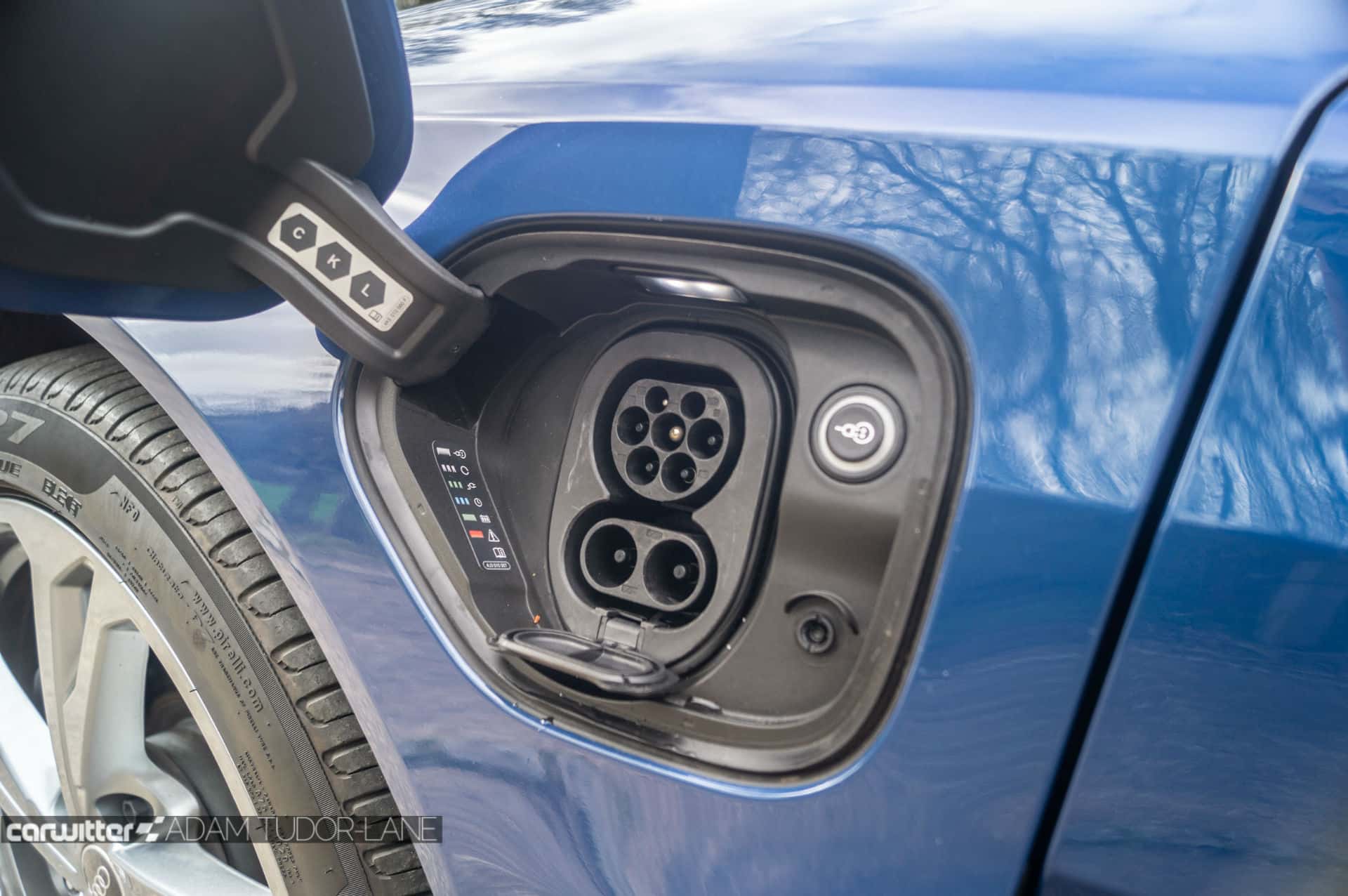
A typical hardware cost for a 150 kW charger can range from the mid to upper tens of thousands. Electrical and grid related work may add several thousand more. Civil works such as foundations, kerbs, protective bollards and signage can add additional costs, which often fall within a few thousand depending on the site.
Payment and network setup may add another one to three thousand at the start, followed by ongoing fees.
When all elements are combined, the total cost for one high power charger can fall somewhere in the region of thirty thousand to ninety thousand depending on local conditions and specific requirements. Smaller 50 kW chargers are often far more accessible and can fall within the lower tens of thousands.
Considering return on investment
Because of the higher upfront cost, it is important to understand how quickly a charger may pay for itself. Key factors include how many vehicles are expected to use it, how often it will be used and the margin between electricity costs and the price charged to drivers.
Public charging prices are typically higher than home charging, with many rapid and ultra rapid chargers priced at a premium due to the convenience and speed they offer. This can support stronger revenue potential in busy locations.
Indirect benefits may also contribute to the overall value. For example, a charging point at a retail site may draw customers who then spend money in nearby shops or facilities.
As a simple illustration, if a site installs a 150 kW charger costing forty thousand and generates around five thousand in annual net revenue, the payback period would be around eight years. Higher usage can shorten this time significantly, while low usage can extend it. Case studies from commercial sites show that payback periods can vary widely, depending heavily on location and demand.
Practical considerations for decision makers
- Plan a realistic budget. Expect lower powered DC chargers to sit in the lower tens of thousands and high powered units to sit significantly above that.
- Evaluate the site carefully. Electrical capacity, cable routes and groundwork can strongly influence costs.
- Choose a power level that matches expected demand. A smaller charger may offer better value than a larger one that remains underused.
- Account for long term costs including electricity, servicing and software subscriptions.
- Look into any available grants or support schemes, but do not rely on them to cover a large portion of the cost.
- Think ahead. Consider whether you may expand charging capacity in the future.
- Work with professionals who understand the technical, electrical and operational requirements of DC charging systems.
- Always include a contingency for unexpected electrical or groundwork challenges.

Summary
Installing a DC charging station is a major investment shaped by power requirements, site conditions, electrical capacity and supporting technology. Typical costs range from the lower tens of thousands for smaller units to significantly higher for high power chargers.
A strong business case is essential, as usage patterns, operating costs and local demand determine how quickly the investment pays off. With careful planning and realistic expectations, DC charging can provide meaningful value for drivers and site owners alike.
