
Towing heavy loads places significant stress on a vehicle’s drivetrain, with the clutch system bearing much of this additional strain. Whether you’re hauling a trailer, boat, or heavy equipment, understanding how towing impacts your clutch can help prevent premature wear, costly repairs, and potential safety hazards.
This article examines the effects of towing on modern clutch kits, signs of excessive wear, and best practices for maintaining clutch health when pulling heavy loads.

1. How Towing Affects Clutch Performance
The clutch system is designed to handle normal driving conditions, but towing introduces several factors that accelerate wear:
A. Increased Heat Generation
- Towing requires more engine power, leading to higher RPMs and clutch engagement under load.
- Frequent starts and stops (especially on inclines) generate excessive heat, which can glaze or warp clutch components.
B. Higher Torque Loads
- The clutch must transfer additional torque to the wheels when pulling heavy loads.
- Weak or worn pressure plates may slip under strain, reducing power transfer efficiency.
C. More Frequent Shifting
- Towing often necessitates manual downshifting to maintain speed on hills.
- Constant gear changes increase friction material wear on the clutch disc.
D. Premature Wear on Hydraulic Components
- The clutch hydraulic system (master/slave cylinders) works harder when towing, potentially leading to fluid leaks or seal failure.
2. Signs Your Clutch is Struggling with Towing
Watch for these symptoms indicating your clutch is being overtaxed:
A. Clutch Slipping
- Engine RPMs rise without proportional acceleration.
- Burning smell from overheated friction material.
B. Difficulty Shifting Gears
- Grinding or resistance when changing gears.
- Gears pop out unexpectedly under load.
C. Reduced Towing Power
- Vehicle struggles to maintain speed uphill despite high RPMs.
- Noticeable loss of torque when accelerating.
D. Unusual Noises
- Squealing or chirping sounds (indicating a failing release bearing).
- Rattling from loose or damaged pressure plate springs.

3. Choosing the Right Clutch Kit for Towing
Standard OEM clutch kits may not withstand heavy towing demands. Consider these heavy-duty clutch kits for better durability:
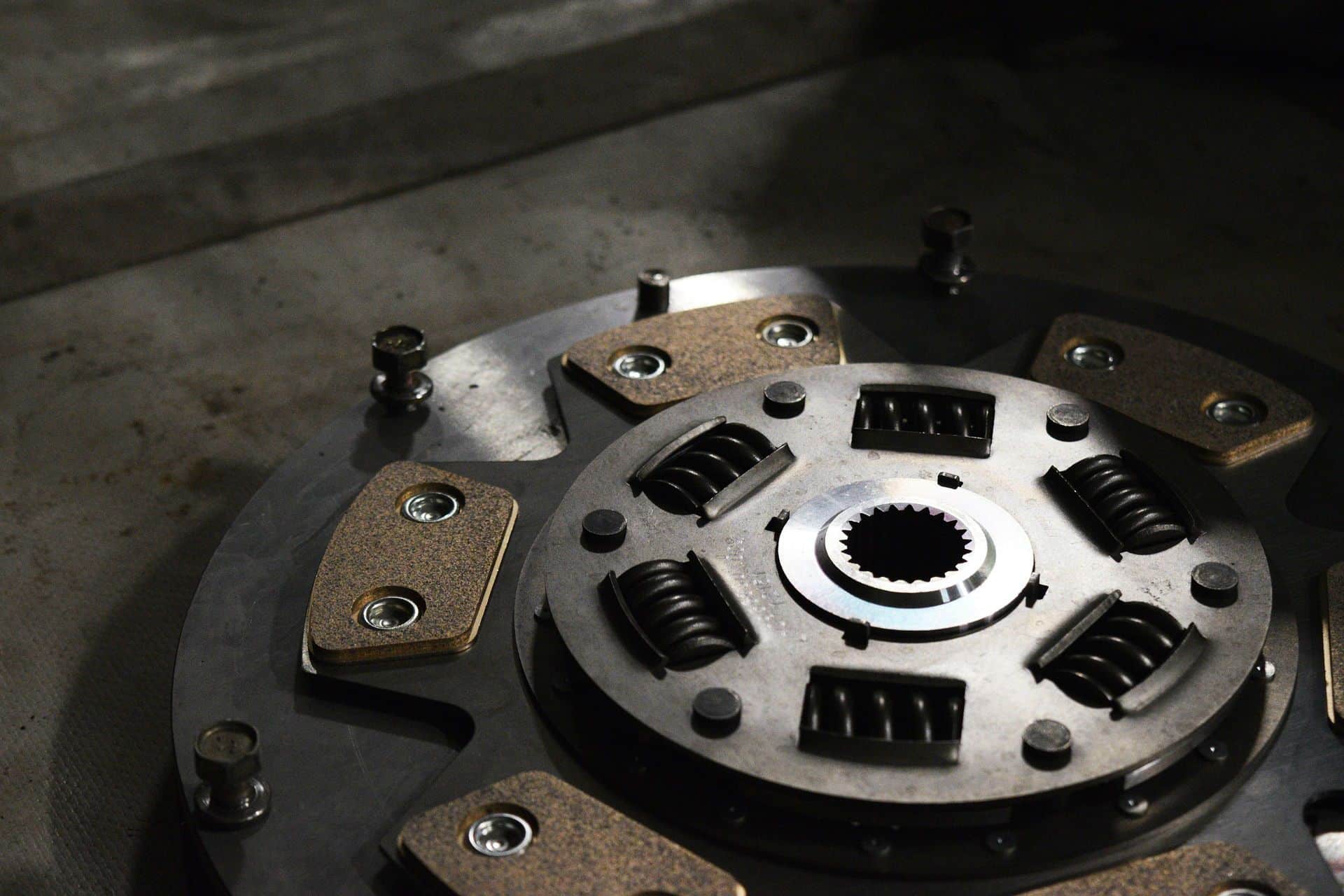
A. Heavy-Duty Pressure Plates
- Higher clamp force prevents slippage under load.
- Reinforced springs handle increased torque.
B. Performance Friction Materials
- Organic/Kevlar Blends: Offer smooth engagement with improved heat resistance.
- Ceramic/Sintered Metal: Best for extreme towing but may be harsh for daily driving.
C. Upgraded Release Bearings
- Heavy-duty bearings last longer under constant use.
D. Lightweight Flywheels (For Some Applications)
- Single-mass flywheels provide better torque transfer than dual-mass units in heavy towing scenarios.
4. Best Practices for Towing with a Manual Transmission
A. Use Proper Gear Selection
- Start in low gears to reduce clutch slippage when accelerating.
- Downshift early on descents to utilize engine braking.
B. Avoid Riding the Clutch
- Minimize partial clutch engagement when starting on hills.
- Use the parking brake to prevent rollback instead of slipping the clutch.
C. Monitor Clutch Fluid Levels
- Check hydraulic clutch reservoirs for leaks or low fluid.
- Replace old or contaminated fluid to maintain proper pedal feel.
D. Allow Cooling Periods
- Take breaks during long hauls to let the clutch cool.
- Avoid stop-and-go traffic when possible.
5. When to Replace Your Clutch After Towing
Even with proper care, towing accelerates clutch wear. Consider replacement if:
- Slipping occurs regularly, even without towing.
- The engagement point becomes inconsistent.
- You notice vibration or shuddering during engagement.
Conclusion
Towing significantly impacts your vehicle’s clutch system, demanding more from its components than everyday driving. By selecting a heavy-duty clutch kit, practicing proper towing techniques, and recognizing early warning signs of wear, you can extend the life of your clutch and maintain safe, efficient towing performance.
Investing in quality clutch components and adhering to maintenance best practices ensures your vehicle remains reliable whether you’re hauling light loads or towing at maximum capacity. Understanding these principles helps prevent breakdowns and costly repairs while keeping your drivetrain operating at peak efficiency.
