
Modern vehicles have more electronics than ever. In order to power them, you need a good car battery. But how do you choose one? There are so many different types and sizes, plus different levels of quality! It can be hard to know what will work best for your vehicle.
We’re going to go over all the things you need to consider when purchasing a new battery and alternator, as well as which brands are worth your money and why.

Car Batteries
First off, there are two main types of batteries: regular and deep-cycle. Regular batteries are designed for occasional use and are not meant to be fully drained repeatedly, while deep-cycle batteries can handle many cycles of being completely drained. If you have a vehicle that needs regular battery usage, such as your remote starter or security system, then it’s best to go with a standard (or starting) battery. If you have a vehicle that requires more power than a regular battery can provide, such as an electric fan or lights, then you should go with a deep-cycle battery.
If you’re not sure which type you need, then check your vehicle owner’s manual. Or better yet, contact the manufacturer! They will know what kind of battery is best for their product. Now that we’ve covered the difference between regular and deep-cycle batteries, let’s talk about how they are made. There are two types of batteries: wet cell and sealed (or dry). Wet cells have a liquid electrolyte that consists of sulfuric acid and water, while sealed or dry batteries don’t have any liquid inside them. The main difference between these two types is that a sealed battery has a longer life expectancy and can withstand higher temperatures, but they are also more expensive than wet cell batteries.
When it comes to choosing a battery, you want to go with one that will make your vehicle last as long as possible. This means that you should choose a sealed battery if you have any doubts about how well your vehicle will hold up. If you don’t need a battery that can withstand hot climates or are unsure if the vehicle will be used often, then a regular or deep-cycle battery would be fine. It’s also worth investing in a battery charger, to keep your vehicles battery in the best condition and ensure a long usage life.

Besides the battery, the alternator also plays an important role in your vehicle’s electronics. If you have a vehicle that needs to be constantly on, then you need to make sure that both the battery and alternator are in good working order at all times. This will ensure that your vehicle always has power!
Now that we’ve talked about which type of battery is best for your vehicle, let’s discuss where you should buy it from. First off, it’s important to check out customer reviews. You can also ask other people who own similar vehicles what battery works best for them.
You should also check with the manufacturer to see if they have any recommendations on which brand of batteries to use. If you’re buying a deep-cycle battery, then make sure that it’s sealed! This is important because there are some cheap deep-cycle batteries out there that will leak acid and ruin your vehicle’s electronics.
You should also make sure that your new battery has enough power for your vehicle. For example, if you have a car with a lot of electronics and a powerful radio, then you’ll need more power than what a standard battery can provide. If you’re unsure about the amount of power your vehicle needs, then check out online forums for help. There are also some great guides on how to select the best car battery for your vehicle!

Car Alternators
Now that you know all about car batteries, let’s talk about how to choose a car alternator. You want to make sure that your alternator is in good working order at all times, as well as having a few different options available. Some alternators have built-in voltage regulators, while others don’t. If you don’t want to spend extra money on a regulator and would rather just install one yourself, then it’s best to go with an alternator without a regulator.
You should also check the amperage rating of your new alternator. The higher the amperage, the more power it can deliver. If your vehicle needs a lot of power and you have an upgraded sound system or electric fans, then you should go with an alternator that has at least 75 amps. Now that we’ve covered all the basics about installing an alternator yourself, let’s talk about how to do it!
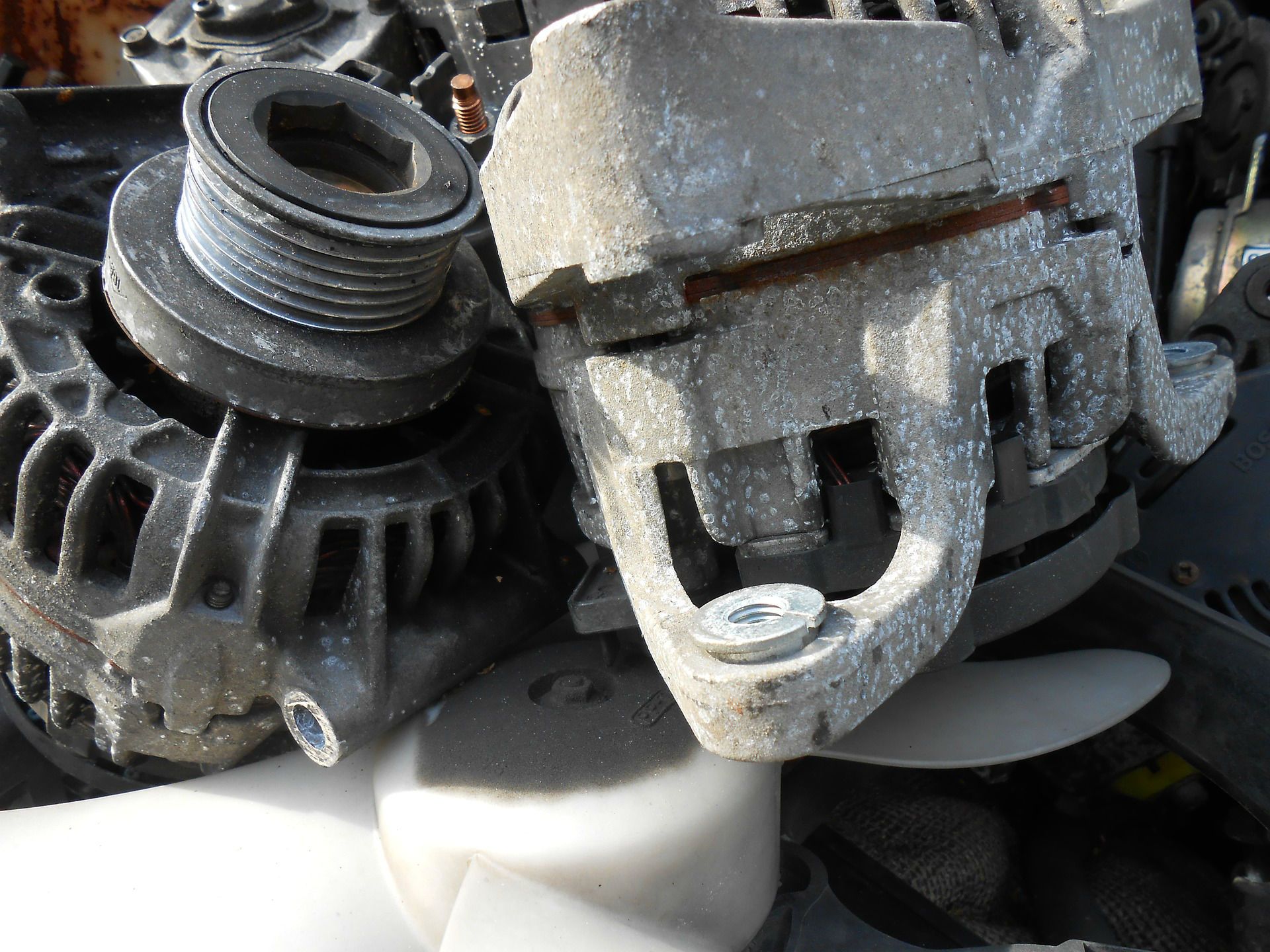
First off, if your car is already running when you start this process, then make sure to turn off the engine before attempting any repairs. It’s important to disconnect the negative battery cable before doing any work on the alternator. This will protect you from getting an electric shock, or worse yet – a burn!
You should also disconnect all of the wires attached to the alternator and remove it from your vehicle. If you’re replacing an old alternator, then be sure to check out online guides for help on how to do this correctly. You’ll need to take off some bolts and cables that are connected to the motor, as well as any brackets that hold it in place.
Once you have removed the old alternator, then you can install your new one. You’ll want to make sure that all of the wires are connected properly and that none of them got damaged during installation. Now that you know how to replace an alternator yourself, let’s talk about some safety tips. Before doing any work on your vehicle, be sure to disconnect the negative battery cable and ground yourself using a good grounding strap or tool with a proper amperage rating. It’s also important to have all of your tools ready before you start working on the car, as well as any parts that need replacing.

If you’re not comfortable working with electronics or installing a new alternator, then be sure to check out guides and forums for help! You can also ask someone who knows how to do this for assistance, such as a mechanic at your local repair shop. Now that we’ve covered all the basics about changing an alternator yourself, let’s talk about some safety tips. Before doing any work on your vehicle, be sure to disconnect the negative battery cable and ground yourself using a good grounding strap or tool with a proper amperage rating. It’s also important to have all of your tools ready before you start working on the car, as well as any parts that need replacing.
