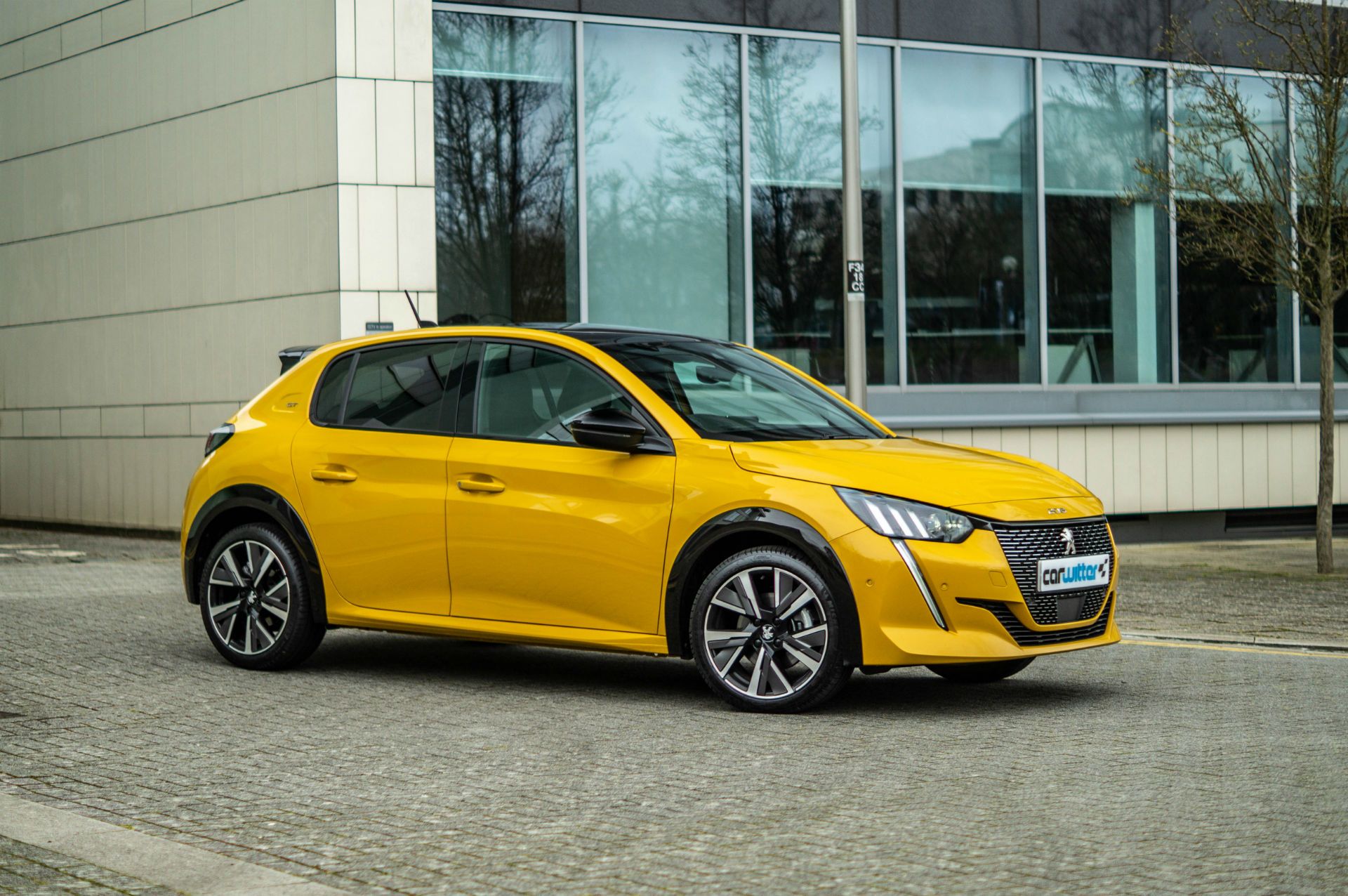
Peugeot have changed tact when it comes to its design language, and now it’s time for the 208 to get the mean lion styling we’ve seen across the brand the last few years; we took a range-topping Peugeot 208 GT for a spin to see how the new model fares.

Looks
Now I can’t say I’m a massive fan of the new two-box looks. Firstly, there’s no three-door option – nobody buys them. So now the 208 is a generic-looking two-box hatchback, with an incredibly stubby front end and flat top to the bonnet.
I’d take a three-door last-gen 208 over it any day.
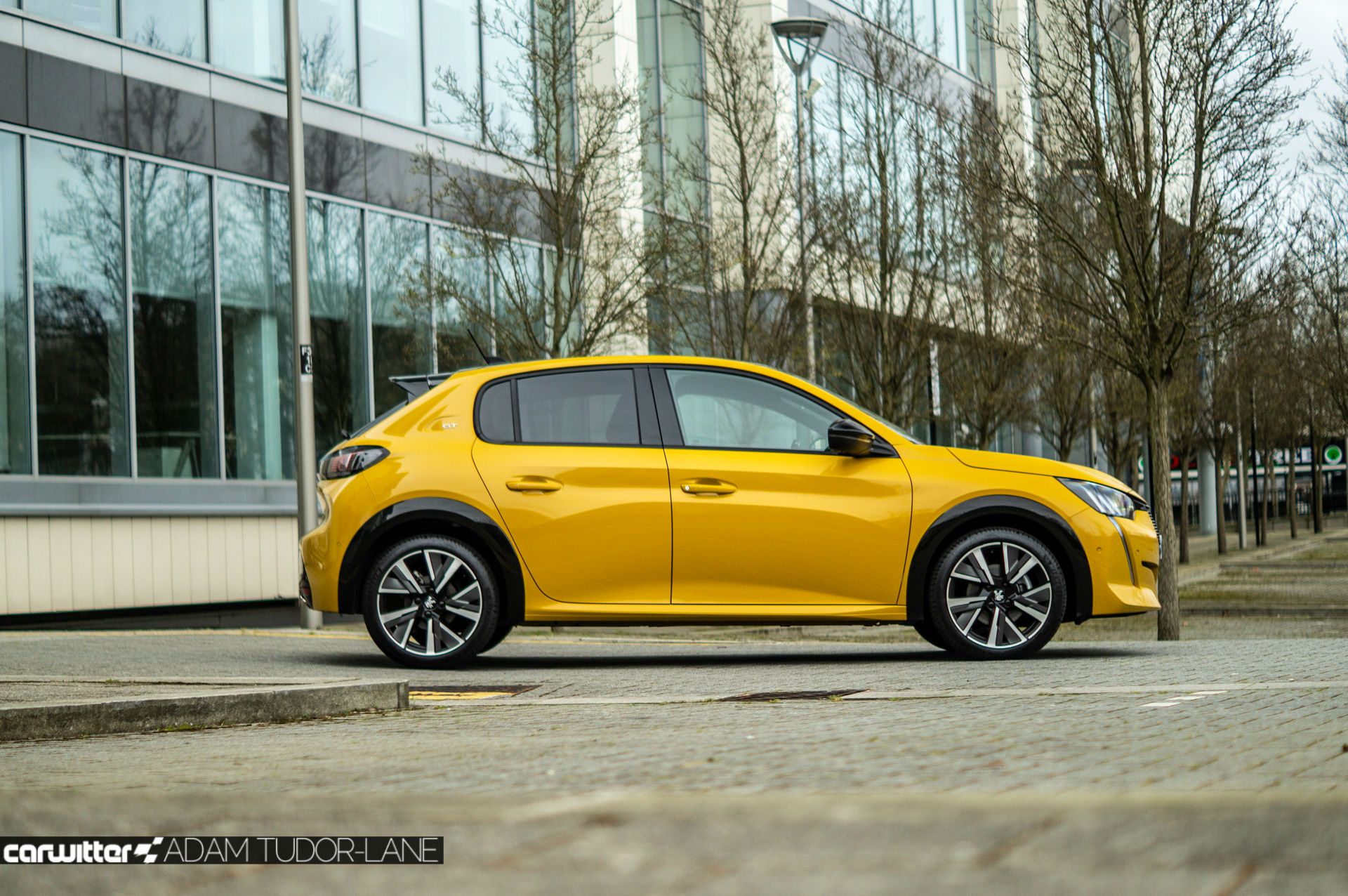
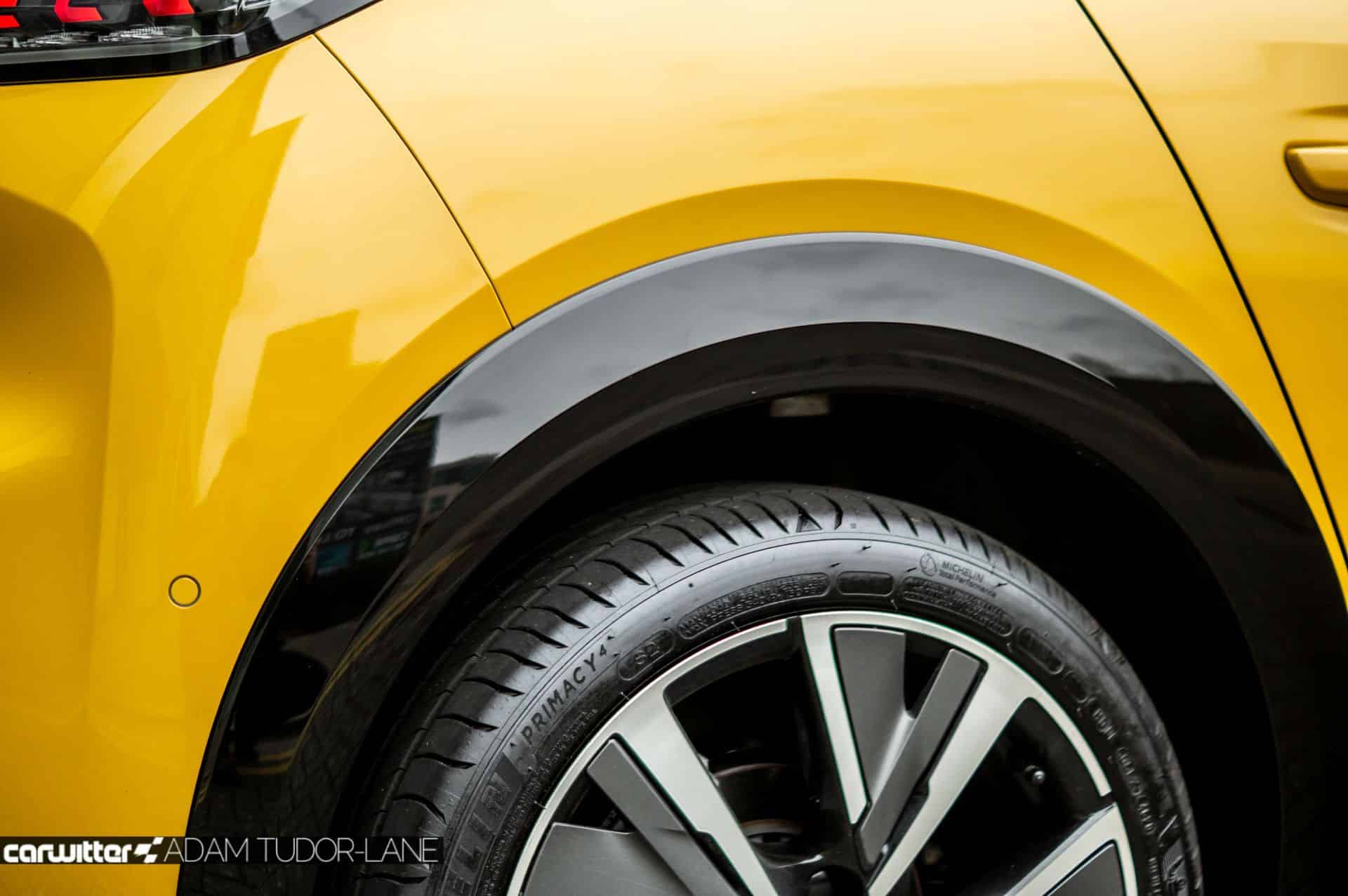
Then there’s the rather small wheels and humongous arches; what’s that about? You could fit a couple of baguettes in that gap. It’s not helped by the slap on black arches either. I’ve never known 17” alloys look so lost.
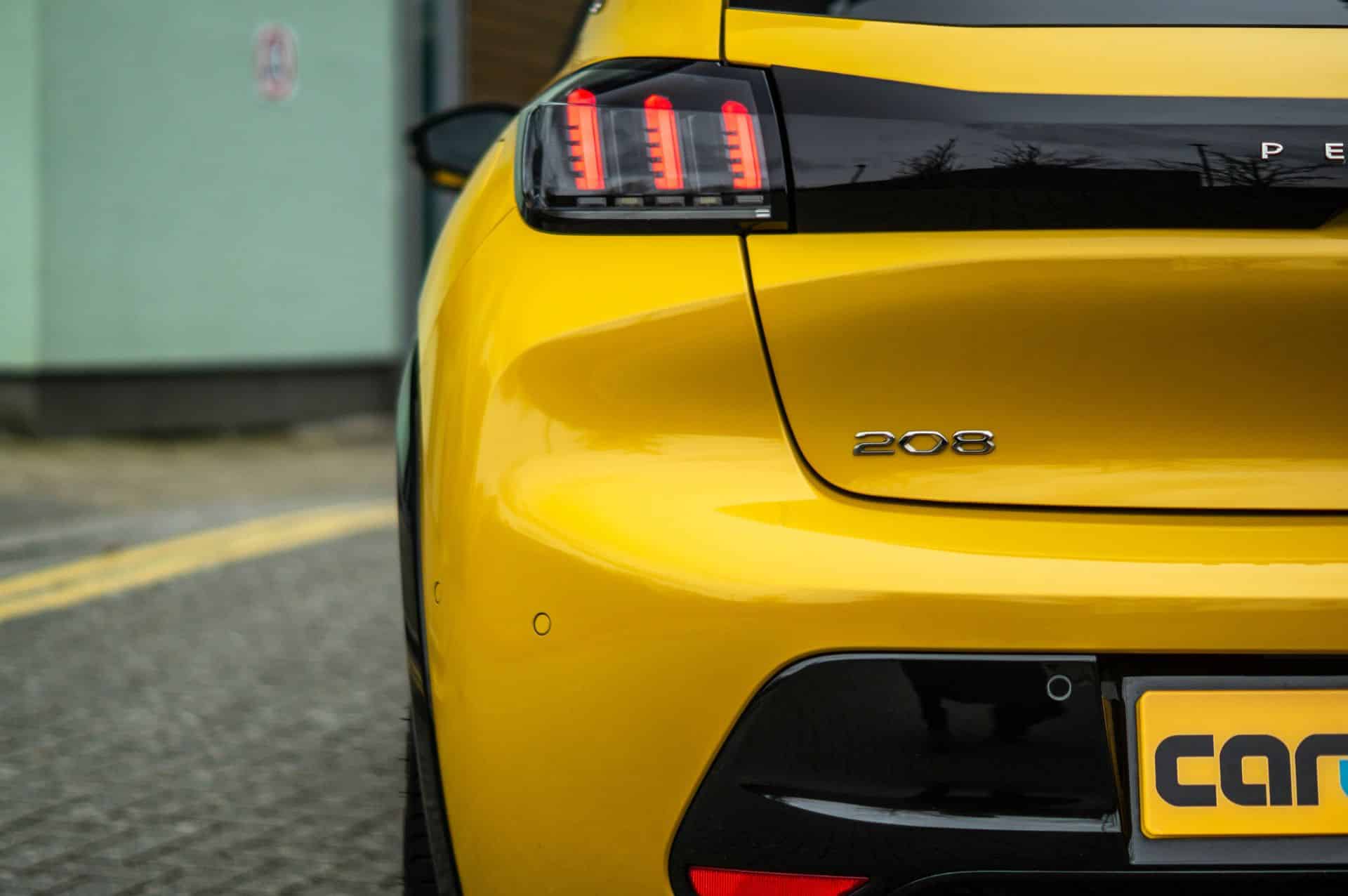
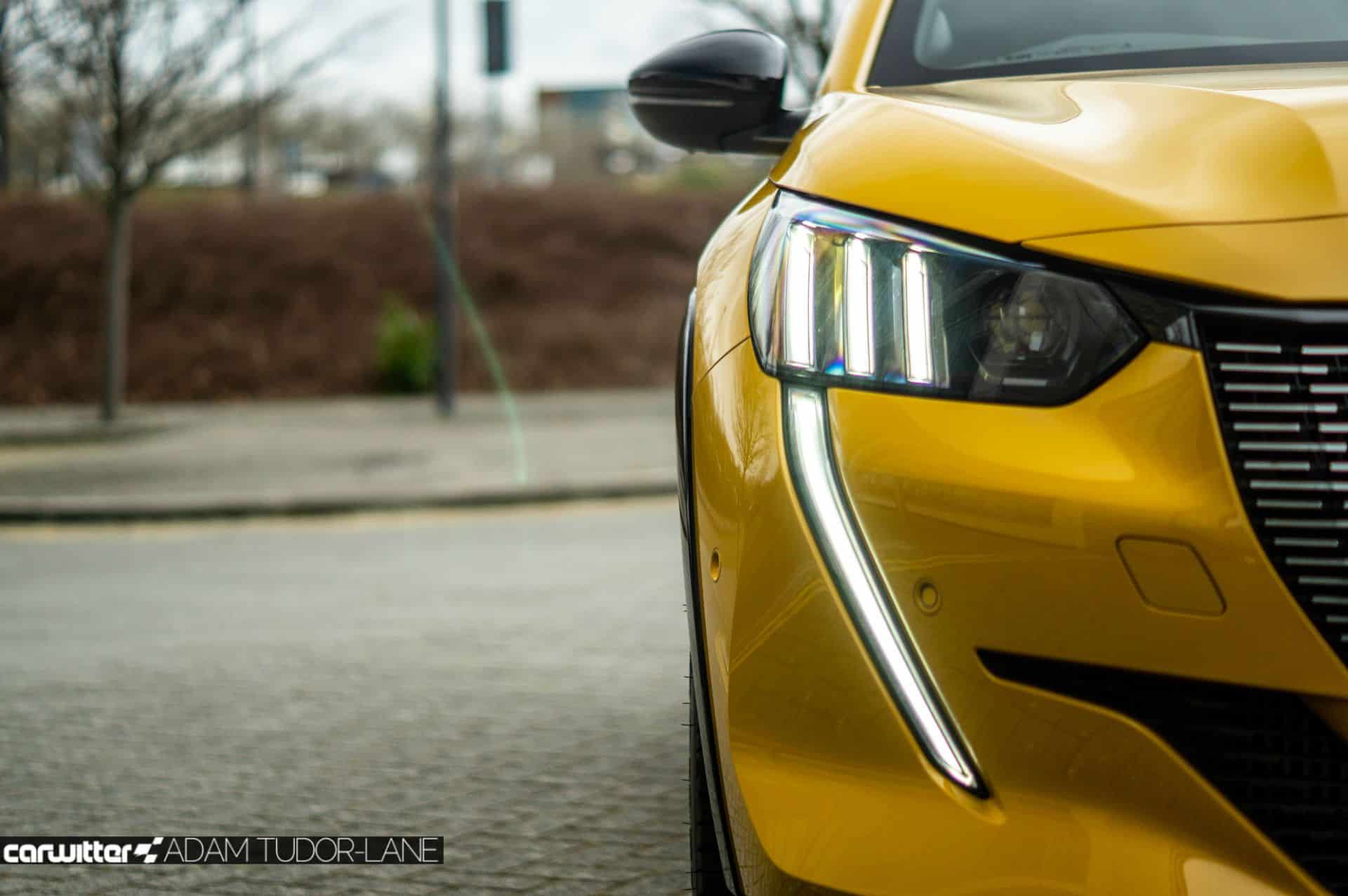
Things change for the better from front and rear though; the sabre tooth LED running lights add some styling flair, as does the black trim across the rear incorporating the lights.
It has far more character than its twin, the Vauxhall Corsa.


Drive
Yes, you can spec the 208 with electric innards; the e208 starts at £29,725 for the entry-level Active Premium model. Our Peugeot 208 GT comes with the 130 HP 1.2l three-cylinder thrummer paired with the EAT8 automatic gearbox – making it nearly as painless to drive as the gear-less EV model.
130 horses may not seem huge, but the beauty of this new 208 is that Peugeot has gone to town on the weight saving, harking back to their 205 roots. In GT guise, it tips the scales at 1,158KG, making the power to weight ratio close to that magic ‘fun’ figure of over 100 BHP per tonne.
A 0-60 time of 8.4 seconds feels just as quick as the older 1.6-litre THP engine, even through the sometimes sleepy automatic gearbox. Just make sure it’s in Sport mode.
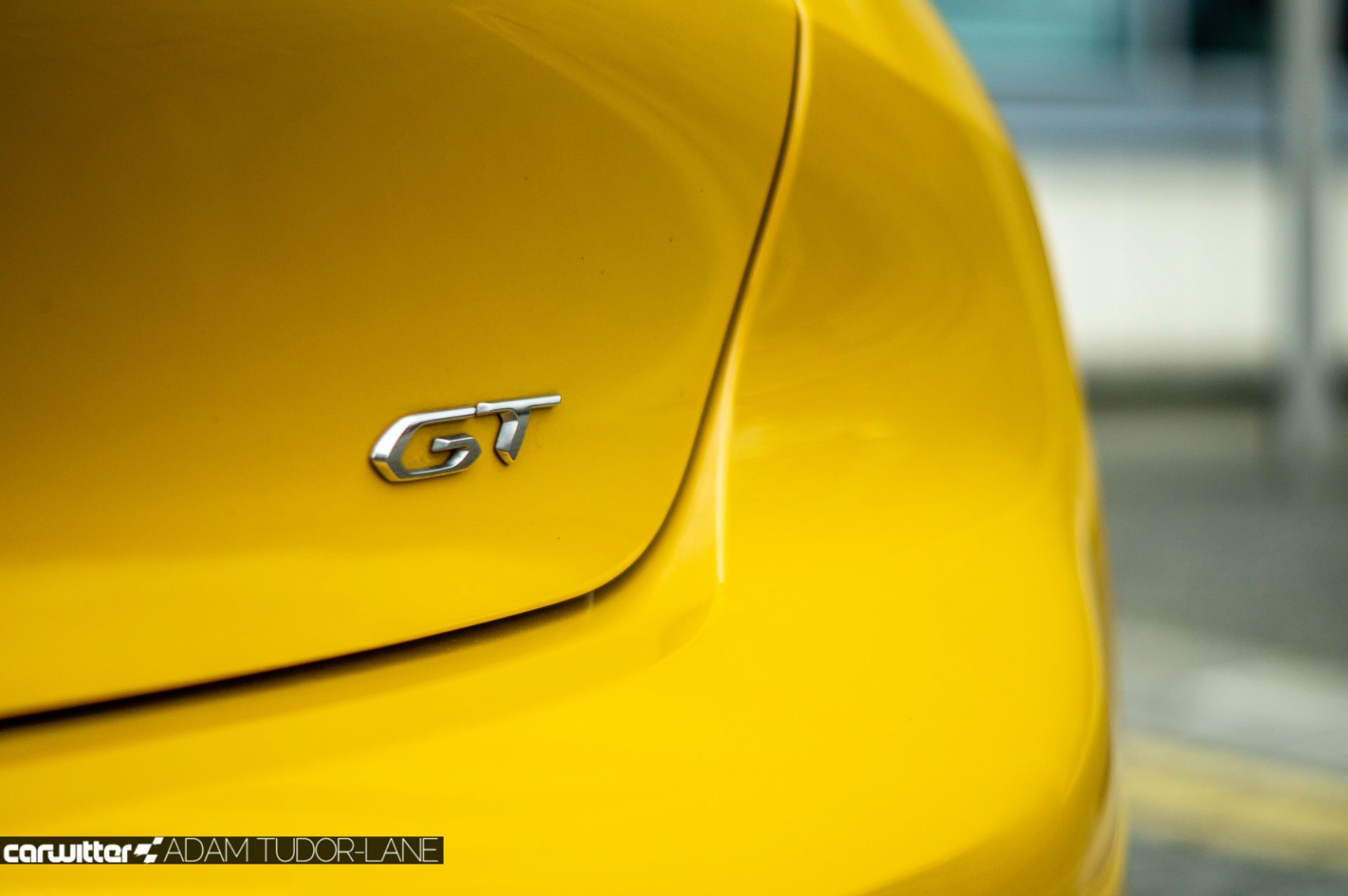
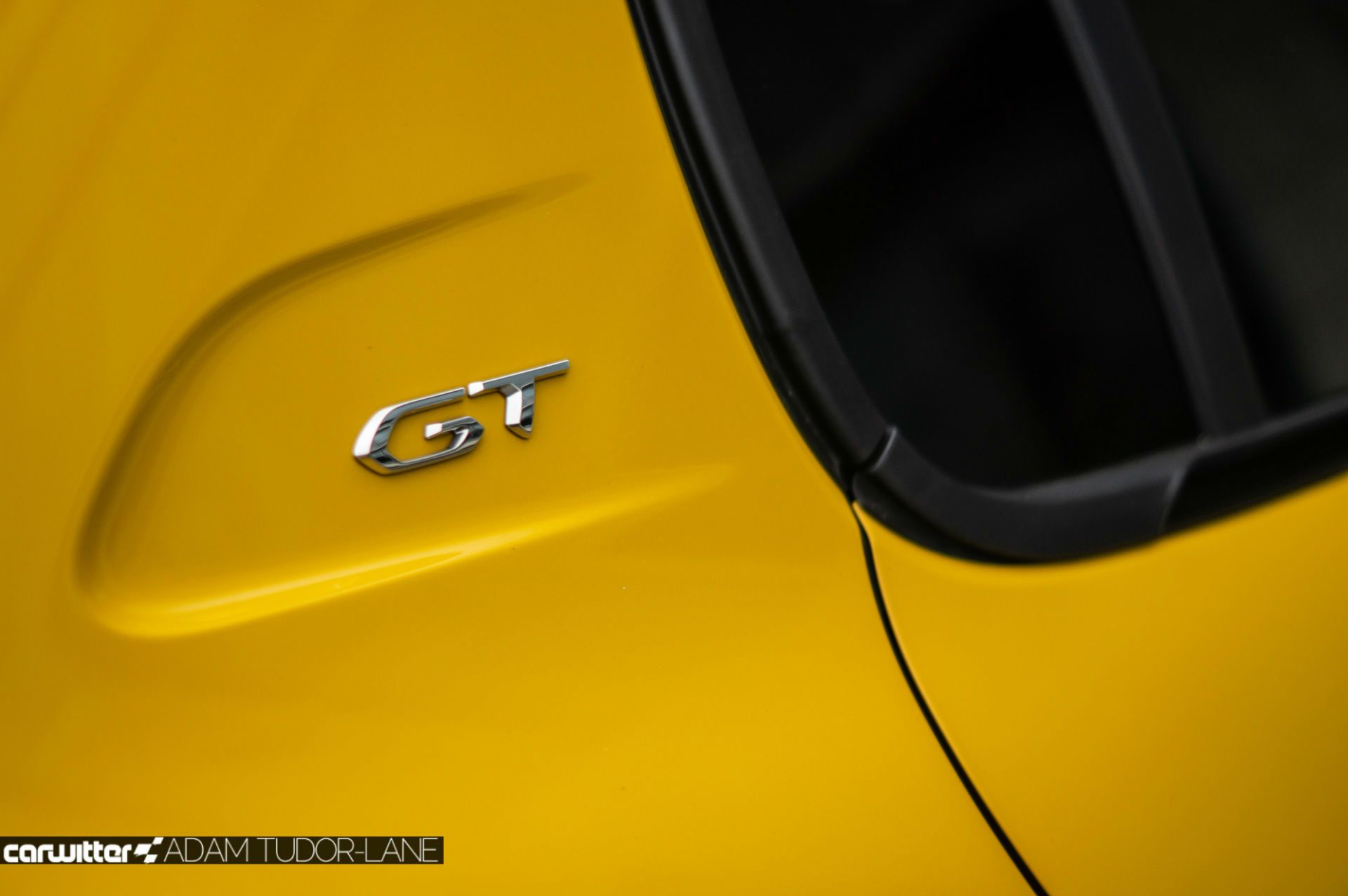
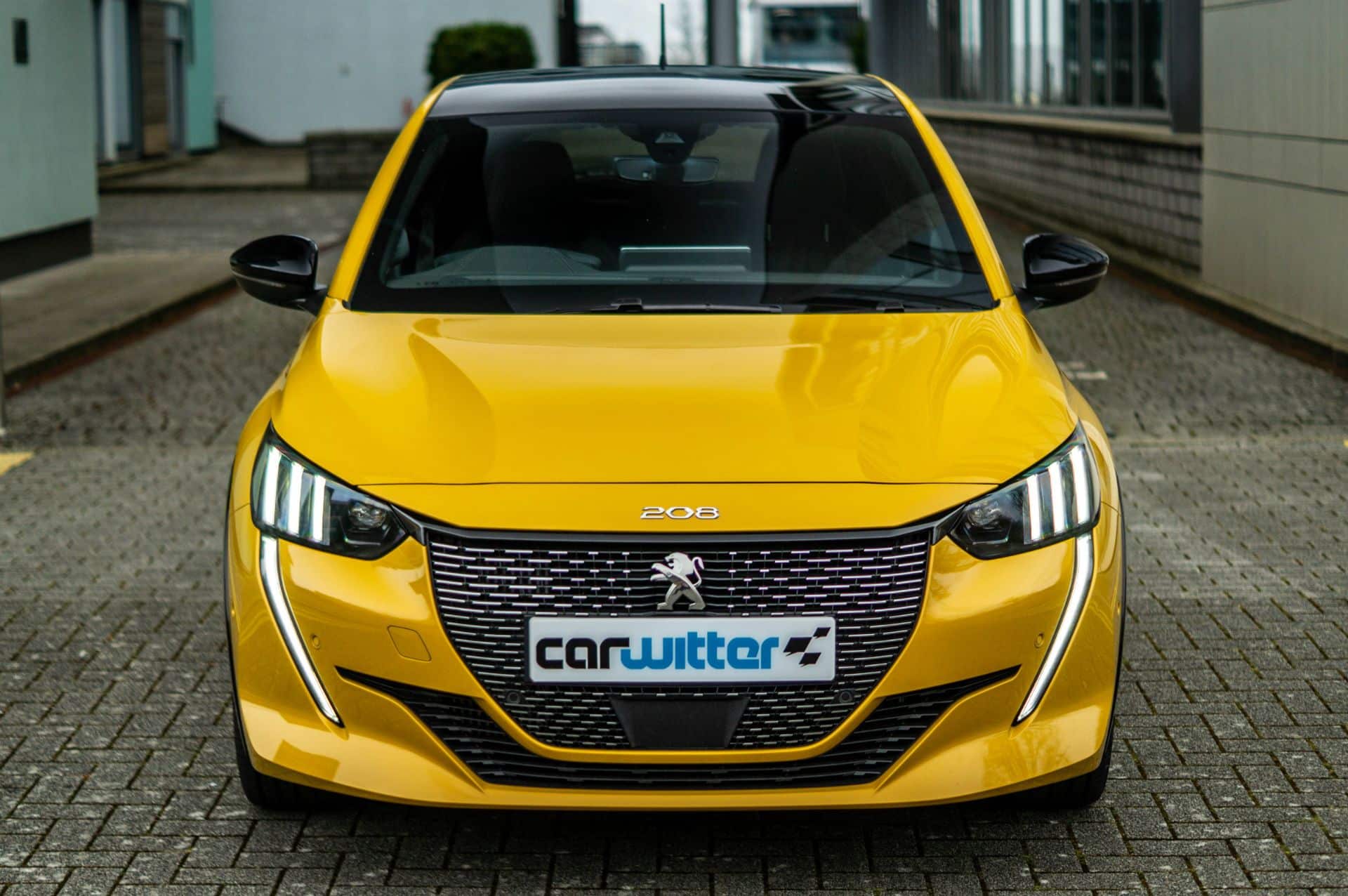
It’s certainly quick enough for everyday driving, but don’t let the sporty aesthetics fool you into thinking the ride will be harder than French toast. It’s supple enough around town with some admirable body control if you want to throw it into the corners down a country lane or two.
However, you will pay a £1,200 premium over the 100 HP engine paired with the auto-box, stick to the lesser engine, and go manual to save £2,600. In the real world, most will likely not use or need the extra punch of the 130 HP model.
What’s nice about the 208 is that it feels light and eager thanks to its bantamweight; that’s something its competitors lack, even though they may be more engaging to drive.
Inside is well-insulated from the world beyond; it goes with the premium up-market appeal of the interior, which again is something the 208 trumps over its rivals.
Interior
Here is where a quantum leap in quality has happened; this is no baby step. Peugeot has gone all out to make the interior fit, finish and feel top-notch. It even makes the likes of Audi quiver.
The whole design is also like nothing else on the market right now, modern, fresh and incredibly easy to use. You get the same physical shortcut buttons that first appeared in the 508, and the instrument dials are projected 3D in front of you, something no other marque has done before.

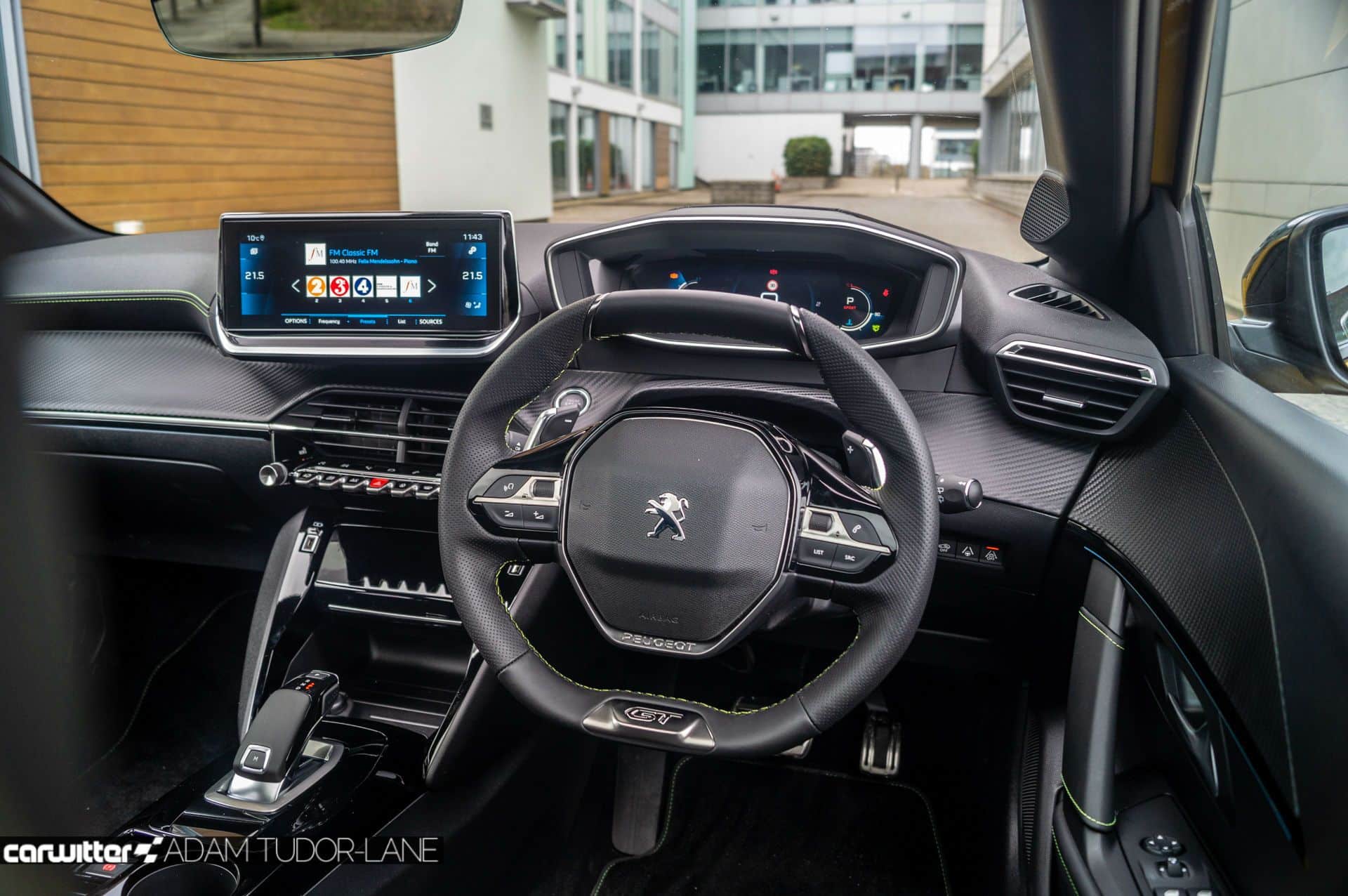
Soft-touch is everywhere, the dash top is nicely squidgy, and the faux carbon adds a nice sporty touch along with the acid yellow stitching. Just be careful of all that gloss black in the centre console; it can be a scratch magnet.
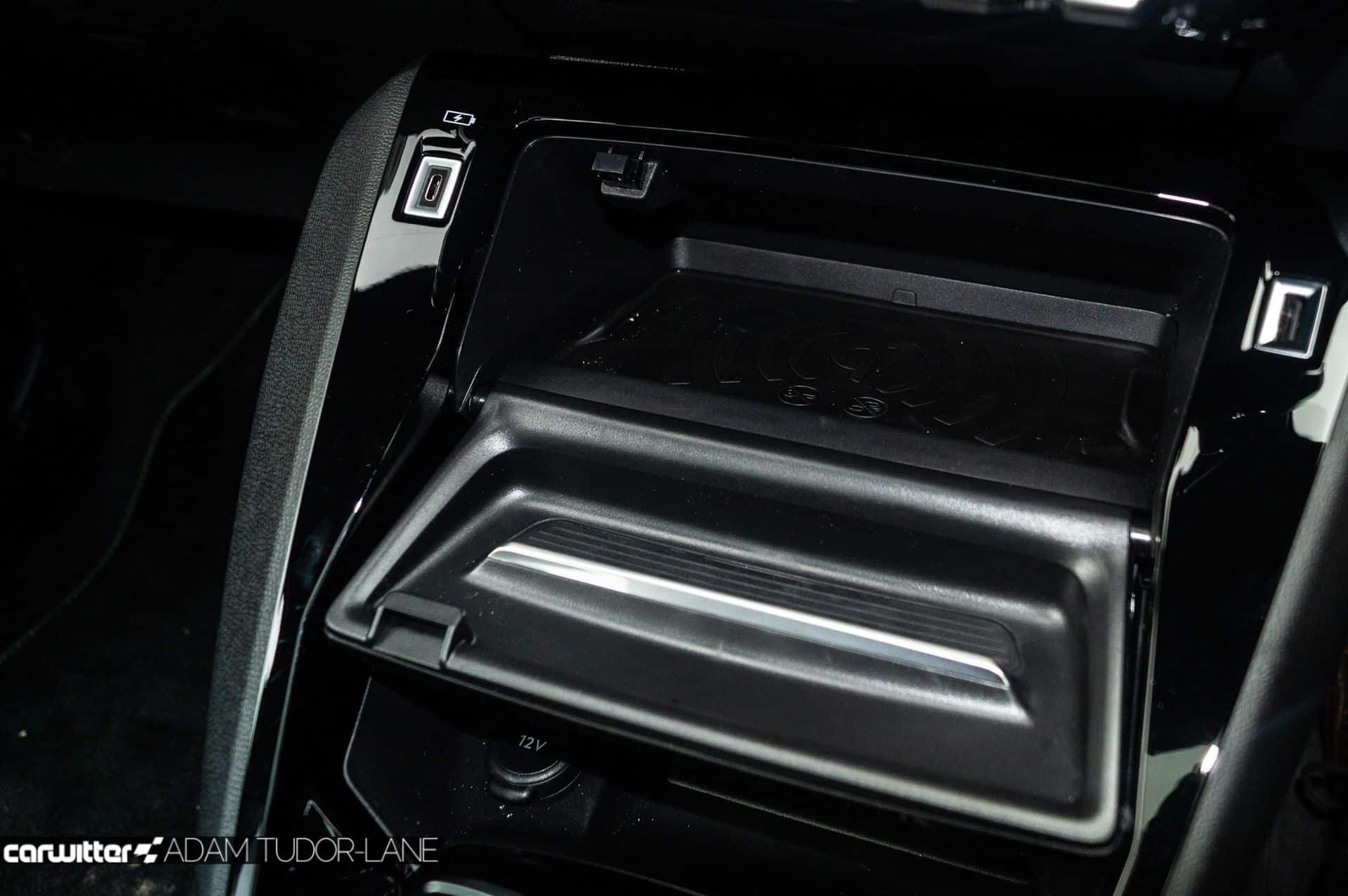
Peugeot has also realised that many people either use their phone as a sat nav or charge it on the go. So there’s both a handy flip-down shelf that can hold phones of various sizes securely, as well as a wireless charge mat behind it.
It seems people are still moaning about the small steering and its position. I’ve never had an issue with it blocking the dials in the last-gen or this current 208. Just position the wheel lower and get used to it; you aren’t driving a bus.
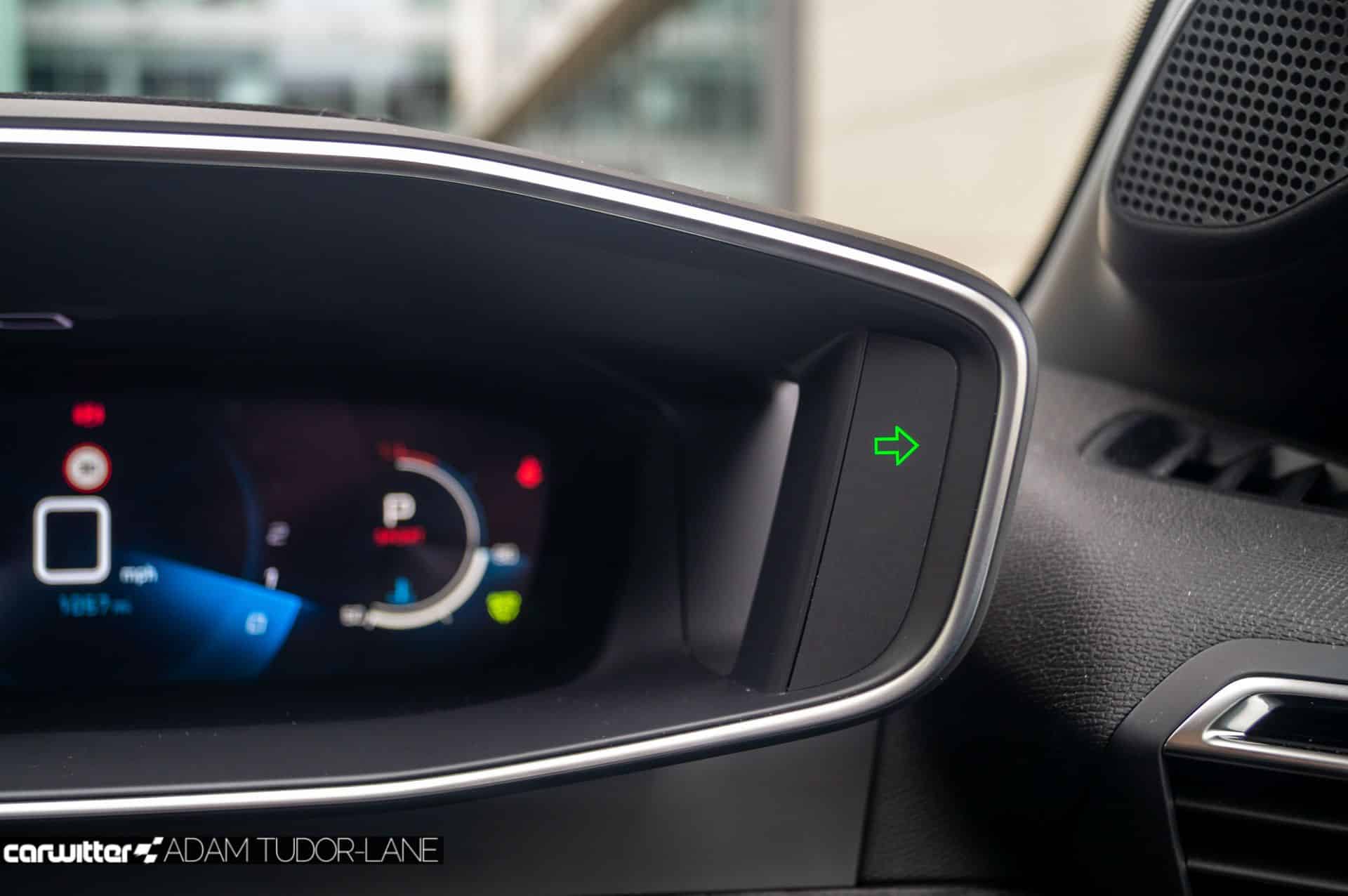

One thing that was an annoyance though was the position of the B pillar in relation to where you sit, at 5ft 10, so roughly average height.
Yet where the seat needed to be, placed my head next to the B pillar, meaning I had to lean forward more than I’m used to when checking for traffic at junctions etc
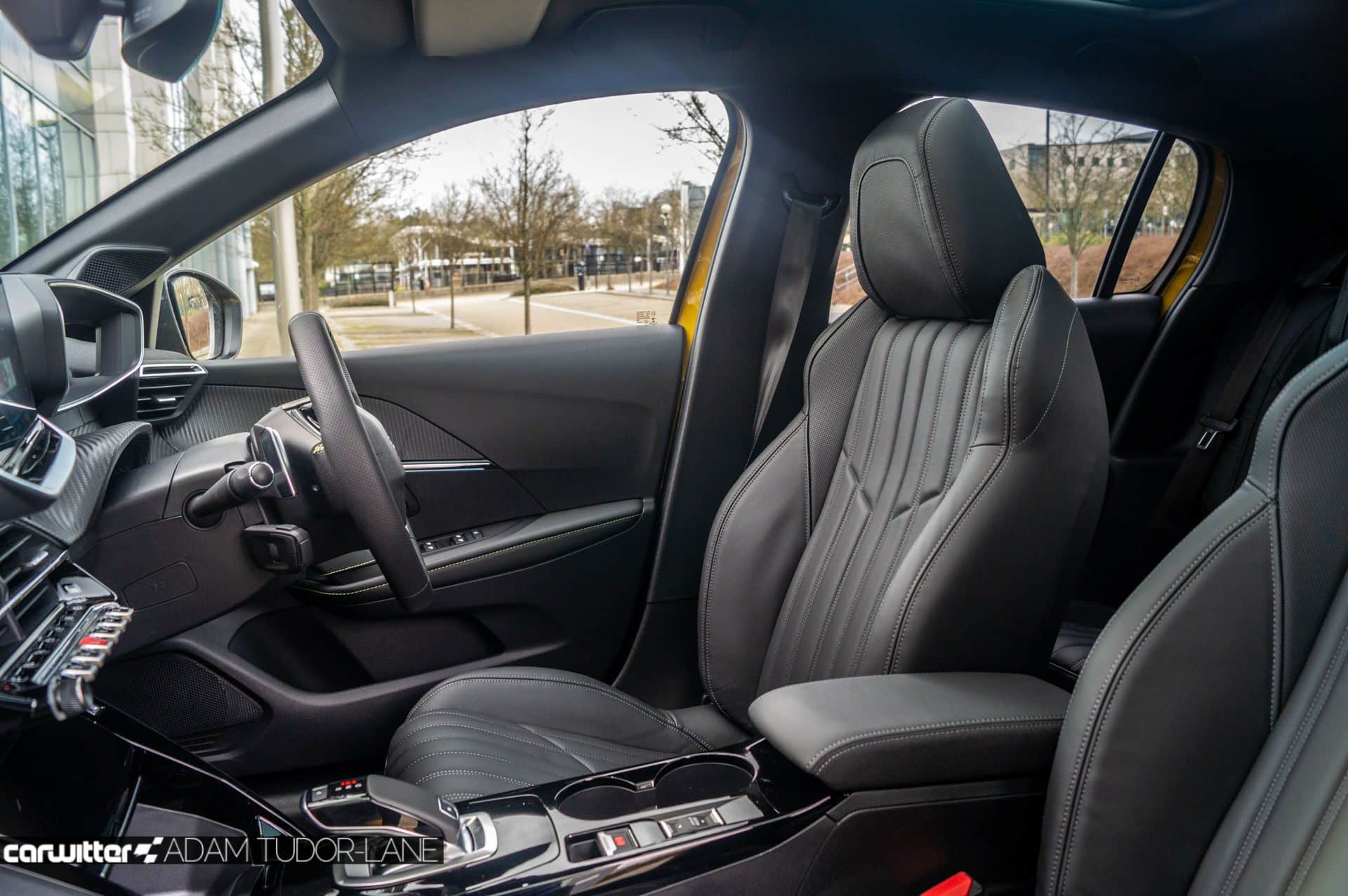
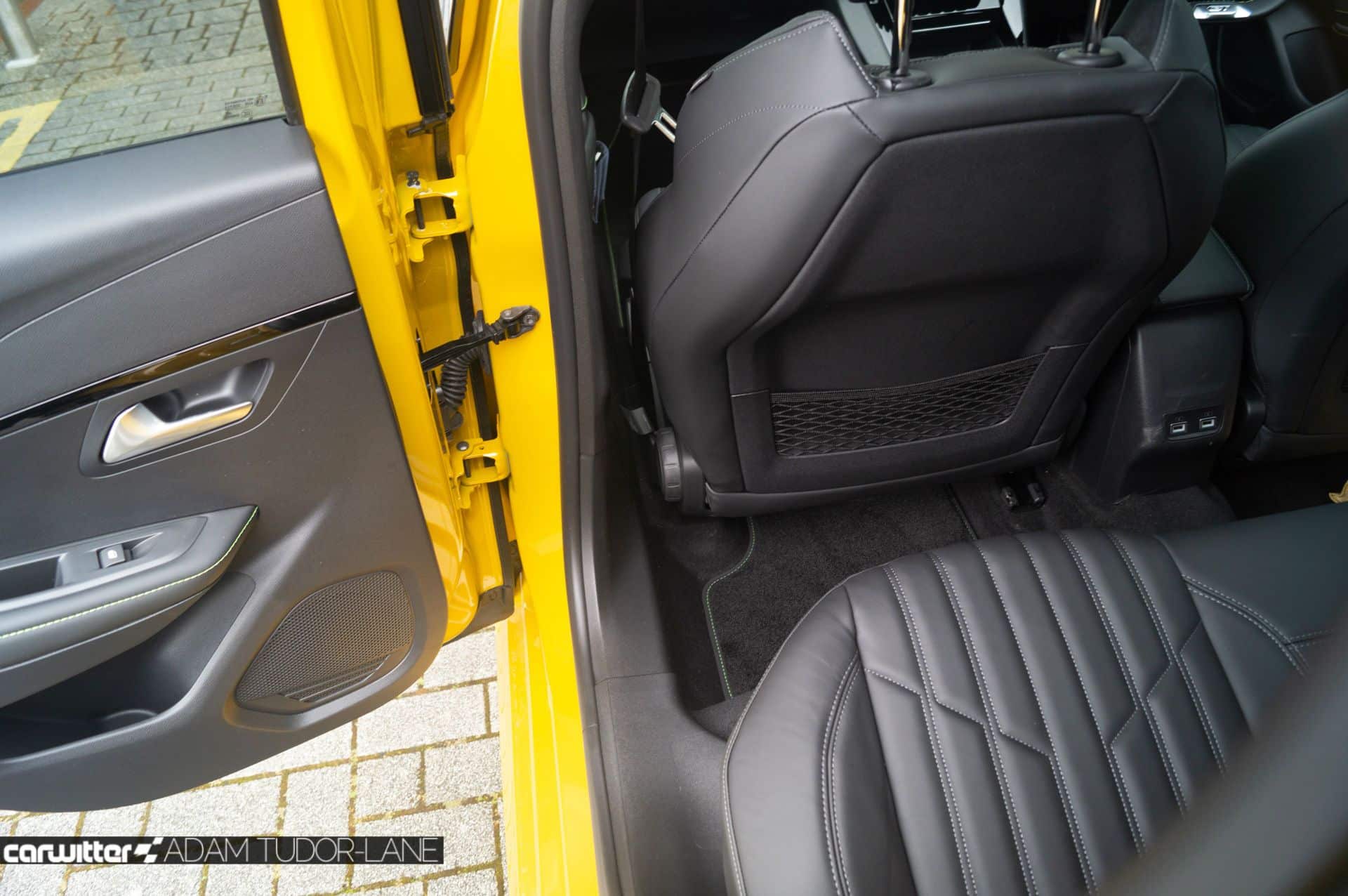
The positioning is down to the stubby front end and fitting in those rear doors. In all honesty, they are next to useless as they’re so small, legroom and headroom in the rear are also seriously cramped. More so than the four-door competition like the Fiesta.
Oh, and the rear door cards look cheap as hell, being made from a one-piece scratchy plastic.


Boot space measures in at 311 litres; better than a Fiesta but less than both the Polo and Clio.

Peugeot 208 GT Conclusion
While the new 208 has lost some of its character and style, pound for pound, it’s the best hatch out there at the moment in terms of interior quality.
That matters a lot as it’s where you spend your time behind the wheel, so I can forgive the two box looks, pointless rear doors and cramped back seats.
Ultimately the 130 HP engine is a costly box tick; the majority of peeps could do with the 100 model.
But if you want a bit of extra zip, and you like the occasional B lane blast, then go for it. It’s the closest we’re going to get to a GTi for a while!