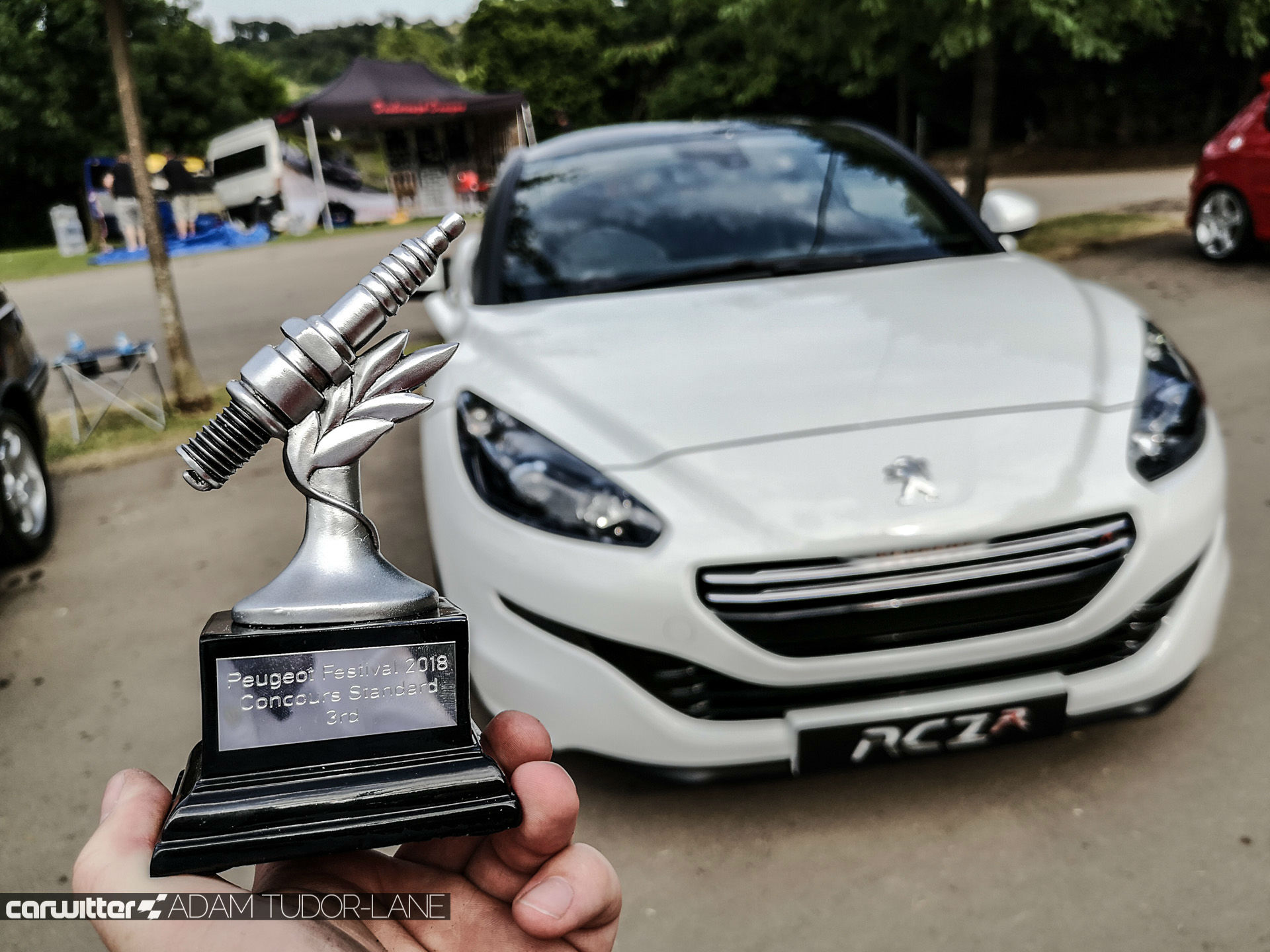
There’s no doubt about it. Polishing a car takes care and skill. Especially if you want to achieve that magical ‘showroom’ finish.
Not that it’s beyond the abilities of the DIY detailer. Still, many people opt to take their car to a professional for a once-a-year polish and wax, because, well – they want their car to look its absolute best.
But that’s not for everyone. For some, the challenge of striving to do just as good a job as the pros – and not have to pay for it – is what motivates them. The key is learning all the professional tricks of the trade that achieve the perfect finish.
So yes. Skill, patience, and practice are all key ingredients. As is using the right equipment, choosing the best quality products, and using them in the right way.
When it comes to polishing products, a lot of the focus is quite rightly on selecting the right cutting compound and polishing pads. But a pro will use a range of other things to achieve that pristine finish – products you might not automatically look out for. Here are five car polishing products that will make a real difference to your next detailing job.
Swirl Remover
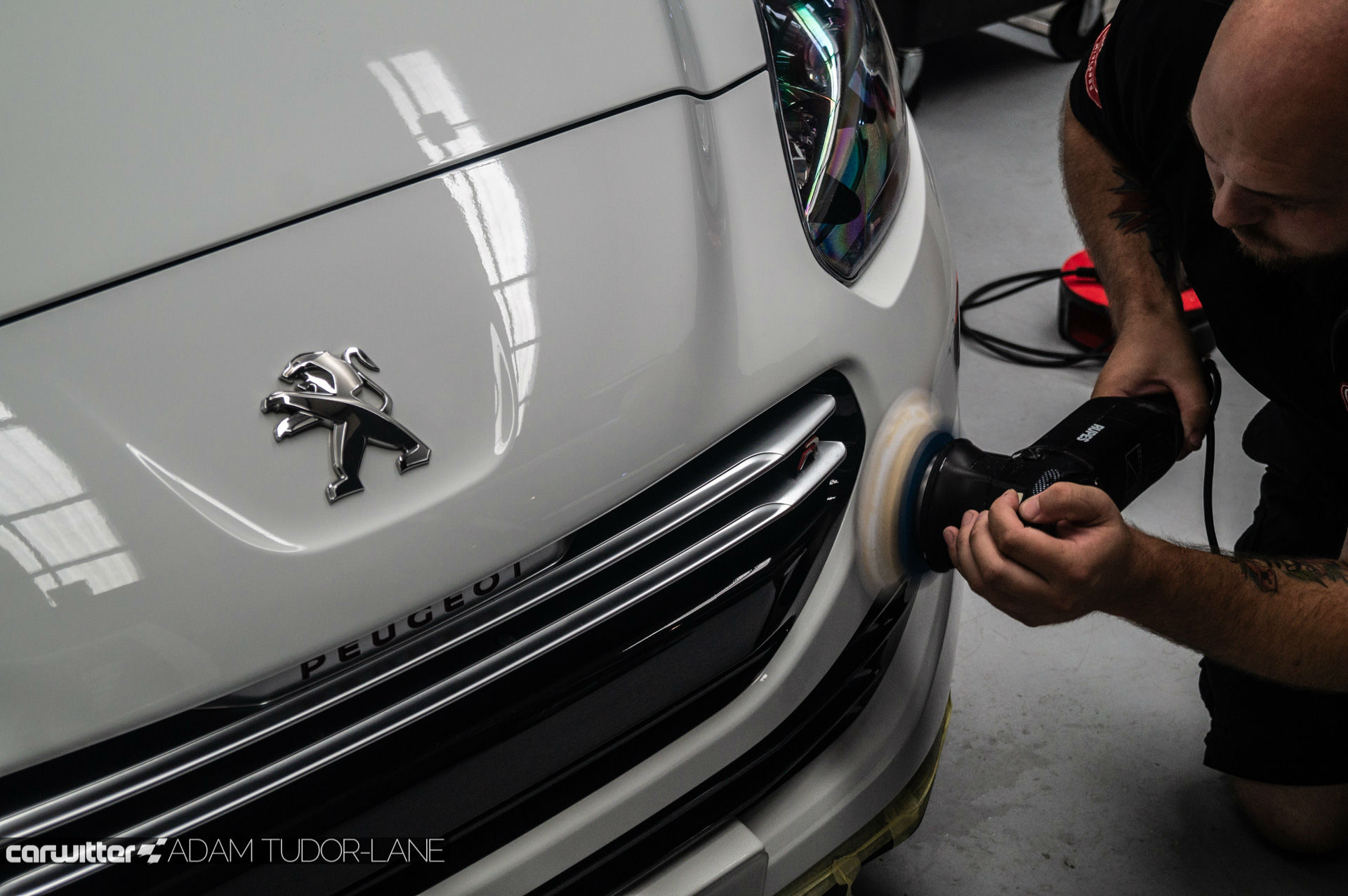
Swirls are the bane of a hobby detailer’s life. These are the tiny, barely perceptible marks that are often left in the very top surface of the paintwork by a polish, wax or wash. A rag that is a little too coarse, the brushes of an auto car wash, a little grit left on the body before a polisher is applied – these can all lead to swirling.
Swirls can be too fine even for the finest cutting compound to remove. So professionals reach for something else – a specialised swirl remover. Swirl remover is basically an ultra-ultra-fine polish. It provides only the lightest of cuts designed to smooth the very top layer of the paintwork. But be warned – even with a quality swirl remover, buffing out the very lightest swirls is hard work, a painstaking process best approached by hand.

Panel Wipe
Here’s a pro tip – rather than sweating over getting rid of swirls, avoid them appearing in the first place! Every DIY detailer knows the importance of removing grit and debris from the surface of a car before polishing and waxing. That’s why you use a clay bar and give everything a thorough wash before you start.
But professionals will go a step further. They will wipe down the bodywork with a solution handily known as ‘panel wipe’ in between EVERY step of the detailing process. Panel wipe generally contains Isopropyl Alcohol (you’ll also see it referred to as IPA wipe).
The purpose is to remove traces of whatever compound, polish, wax or finish has previously been applied. If these are still present, they can easily cause swirling or watermarks by being scrubbed into the paintwork during the next step.

Finishing Polish
Applying a finishing polish is like a bridge between the polishing and the finishing stages of detailing. Despite its name, it doesn’t have anything to do with sealing and protecting, which is what we associate with finishing. Instead, it is a polish with a very low level of cut – so low that it only has limited value in removing imperfections, in fact.
So what is finishing polish for? When polishing, we’re told to start with the lightest cut compound available. If that doesn’t remove the marks we want to get out, move to the next lightest and gradually progress to courser cuts until the job is done. That avoids cutting too deep into the paintwork unnecessarily, which can have disastrous results.
Finishing polish reverses this progression. Whatever cut of polish we use last, a finishing polish is used after – so finishing with the lightest cut of all. The purpose is to smooth over the cut that other polishes have made into the paintwork, leaving a perfect finish. Ready for finishing. If you still follow…
Metal & Glass Polish
Finally, two polishing products that do different jobs but have one thing in common – they are nothing to do with your paintwork! So much attention gets paid to paintwork in discussions about polishing that it’s easy to forget the body of your car has other parts, too.
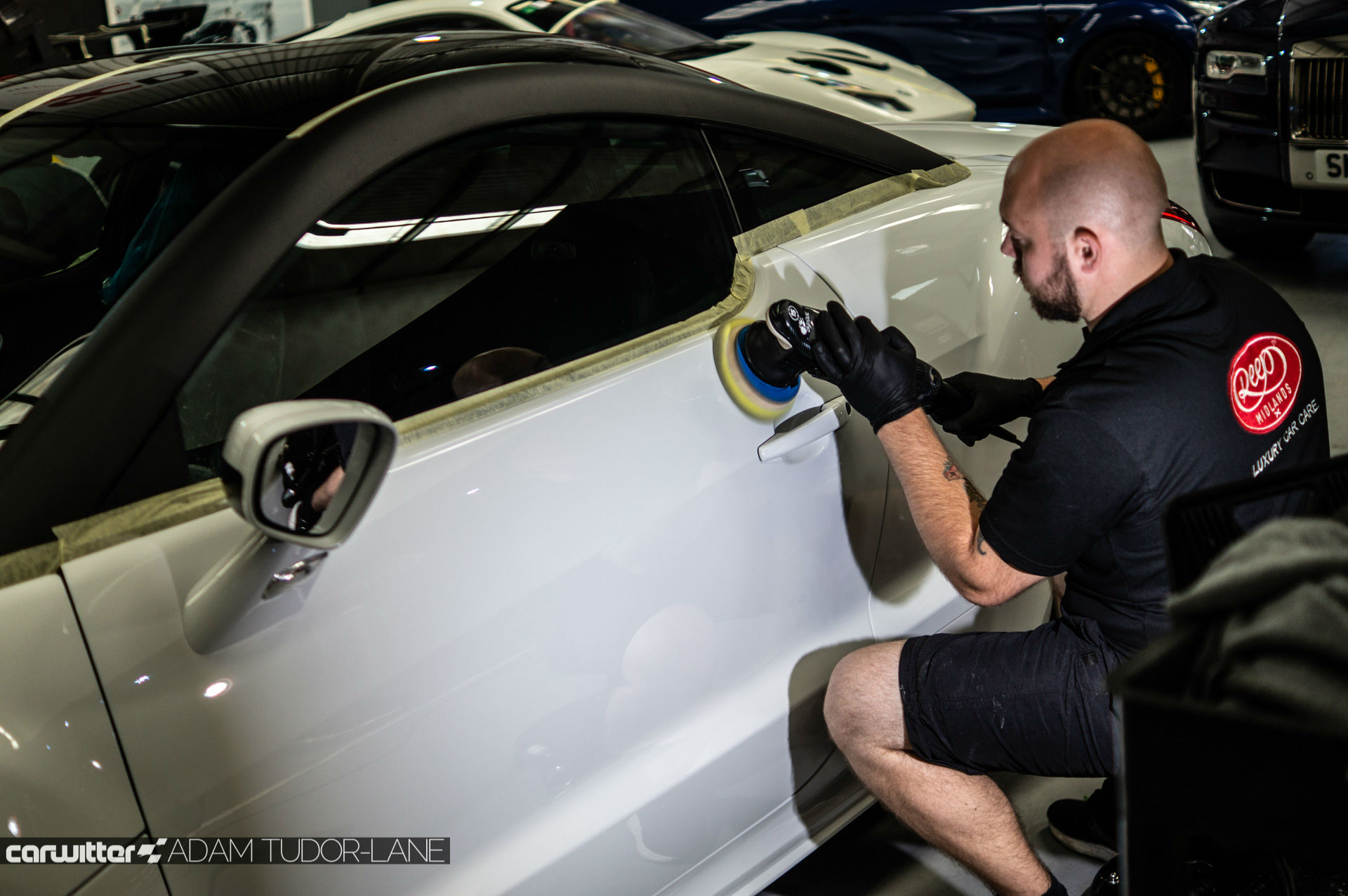
The pro detailer doesn’t forget this. They are equally keen to make the glass of your car’s windows and headlamps shine like the rest of the bodywork. The same goes for any visible metalwork, if there is any.
That’s why glass and metal polishes are as important a part of the professional detailer’s toolkit as cutting compound and polishing pads. At the end of the day, it’s the sum of all parts that creates that final impression.