
Car restoration takes a lot of time and dedication, but the results will be more than worth it. It’s incredibly rewarding to take a vehicle that looks like it’s ready for scrap back to its former glory, and the enjoyment doesn’t come only from driving the car afterwards, but also from the journey itself.
In this article, you’ll learn about six key elements that go into car restoration so that you can make a start on your own beloved vehicle!

- Striping the Car’s Surface
When it comes to car restoration, preparation is everything. Before you go any further, you’ll need to strip the old paint as well as thoroughly scrub away any dirt that’s accumulated on the metal. To do so, you’ll need to purchase a high-quality paint stripper (as well as an appropriate mask so you’re not breathing in any of the harsh fumes).
Take the car right back to its bare metal and assess what you’re working with: many times, there are further steps that need to be completed before any additive processes take place.
- Properly Treating Rust
The most common issue you’re likely to encounter after stripping is rust – and it’s extremely important you fully treat the problem if this is the case. If you go ahead with restoration when rust is still present, you’ll likely find that your hard work deteriorates quickly and you’ll need to do part of the process over again.
Treating rust on cars can be complex, so be sure to investigate not only the extent of the rust on your vehicle but also the type. From there, you can determine the best course of action.

- Panel Repair and Alignment
The next step is to assess the body of the car for symmetry and alignment and correct any defects. All panels must fit together perfectly, so if you find they don’t, you’ll need to manually straighten things. Door hinges are often the worst offenders, but sometimes, the actual metal is buckled in various areas: realignment can be one element that’s best left to a professional who has the right tools for the job, though for smaller jobs, you can safely use body fillers.
- The Painting Process
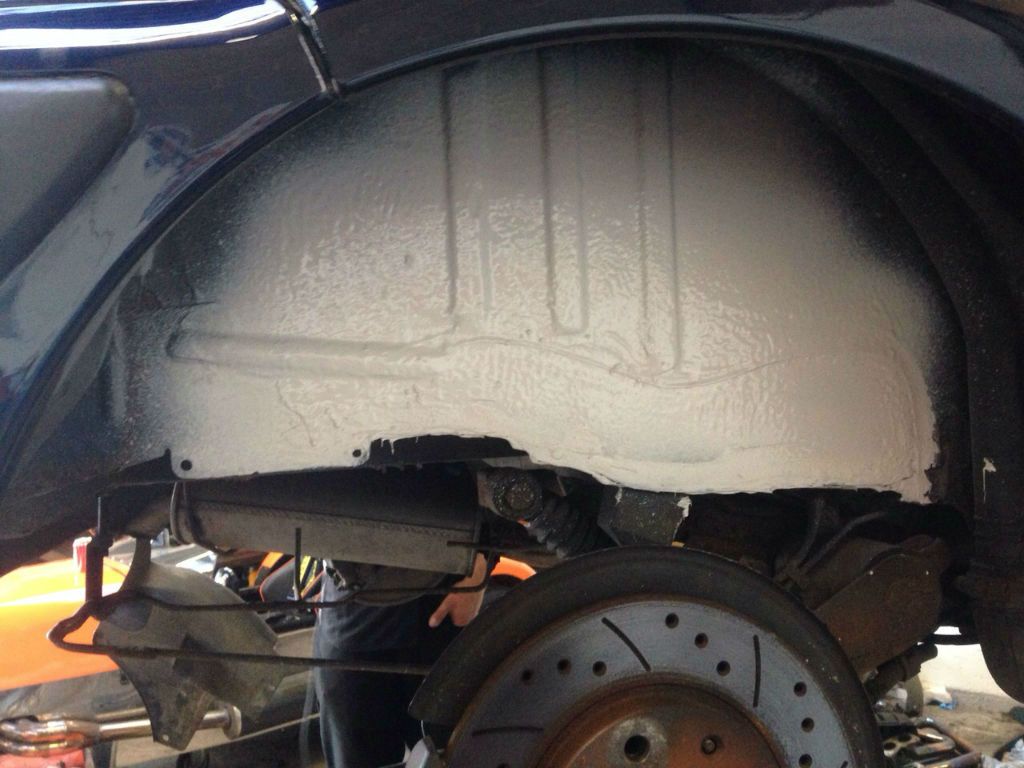
Now comes the fun part – the painting process! The new paint job marks the most obvious aspect of a properly restored car, so it’s crucial to take your time. Firstly, you need to choose the right type of paint, with the three main categories being enamel, urethane, and acrylic. Then, you’ll work your way through the base coats and clear coats.
So far as application, hire a professional spray gun, and once the paint has set and cured, you can then use a buffing wheel to render the final finish.
- Glass Replacement
With the glass portions of the car being the most fragile, it may be that several windows are smashed in or cracked and headlamp casings are broken. Now is the time to fix them: depending on your model and its age, you may need to get bespoke glass professionally fitted, and with the headlamp casing, get in touch with local and worldwide dealerships, and also check eBay.
You may also need to polish up any chrome elements surrounding the glass, but more on this in the next section.
- Chrome Restoration
Many older vehicles have chrome elements beyond just those that finish off the glass: numerous models have chrome wheel rims, for example, which are an essential part of the car’s overall aesthetic.
Over time, chrome corrodes and exhibits pitting, which is when small holes appear on the surface. Resolving this issue usually involves cleaning, sanding, and buffing: you should first clean the surface of any dirt, then sand it down with various grades of sandpaper to remove pitting and scratches, and finally, buff the metal to restore its mirrored reflection. This can be a time-consuming process, but it makes a huge difference when done properly.
You may also find that alongside corrosion and pitting, the metal is actually bent out of shape. In these cases, it’s likely a good idea to take the parts to a professional repair shop to have them carefully restore the original shape.

Wrapping Up
Car restoration is a lot of fun, but it does require plenty of organisation and planning. Hopefully, you’re now a little clearer on the steps involved: there’s a lot more that goes into it, of course, but the tips above should have you off to a great start. Good luck!
