
Acquiring your first motorbike in the UK is a matter of making three concrete choices: which licence is needed, what bike suits you, and how much will it cost beyond its price tag. This guide talks about CBT and licence types, choosing a first bike, inspection of a second-hand motorcycle, and necessary accessories for a safe ride.
Start with your licence

Before you look at a single bike, you need to understand which machines you are legally allowed to ride. In the UK, the licence system works in stages. Budget for CBT first. Price varies from institution to institution. However, usually the price is between £90 to £170. If you want to proceed to A2 or A license, then you will have to make provision for the theory test, module one and module two test and also other extra lessons.
For most people taking the test, the initial step is Compulsory Basic Training, popularly called CBT. It is not a pass or fail test, but neither is it proof of being a good rider. It is simply a compulsory basic training which establishes your provisional right to ride. Once completed, you can ride unaccompanied on the road on a motorcycle up to 125cc and 11kW with L plates, but you cannot carry a passenger or use motorways.
Once you have completed CBT, the category of licence you hold determines what you can ride. Category AM covers mopeds (maximum design speed 45km/h, up to 50cc), minimum age 16. Category A1 covers light motorcycles up to 125cc, 11kW, and a 0.1 kW/kg power-to-weight ratio. The minimum age is 17.
Category A2 covers motorcycles up to 35kW and 0.2kW/kg power-to-weight ratio, and the bike cannot be derived from a machine of more than double its power. Minimum age 19. Category A is unlimited. You can take it at 24 via direct access, or at 21 via progressive access if you have held a full A2 licence for at least two years.
The category you are working towards will shape your bike search. If you are 19 and planning to take your A2 test, there is little point in looking at 125cc bikes unless you want one for practice. As of 2026, the CBT certificate remains valid for two years. If you don’t pass your full test within that window, you must complete CBT again.
Choosing a bike that fits
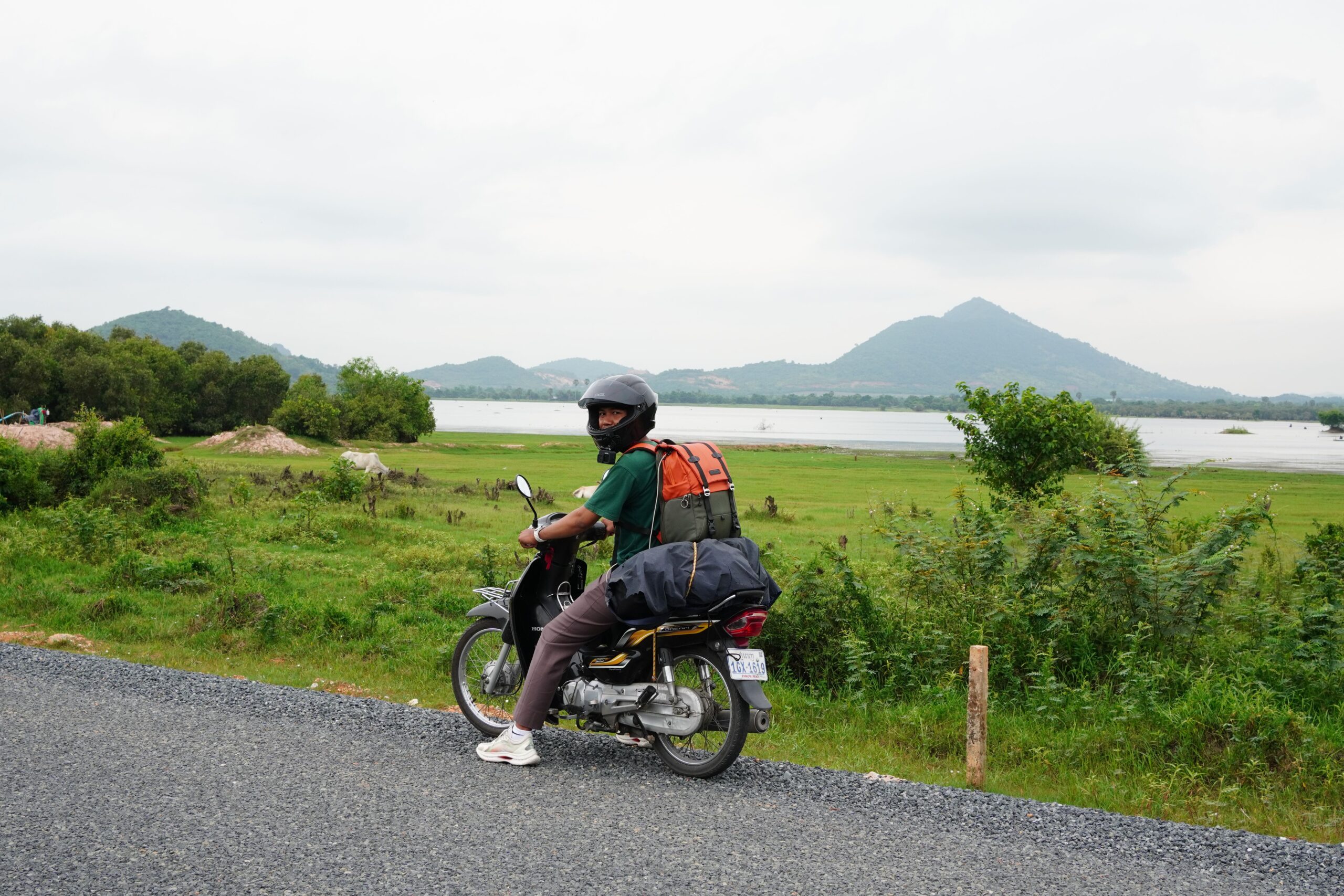
A bike that appears picture perfect may not suit you at all when you actually ride it. The main thing to consider is the weight of the bike, the height of the saddle, and the posture you have to take up.
The weight of the bike matters and a lighter one is easier to handle at slower speeds. The height of the saddle is a factor but you don’t necessarily need to keep both your feet on the ground. You need enough reach to hold the bike stable and to paddle it when manoeuvring.
The size of the engine should also be considered wisely. A smaller engine is usually easier to handle for a novice rider. A less powerful bike that you can use fully is often more rewarding, and safer, than a faster bike you never feel in control of.
Here are some common styles you might see:
- Naked bikes are typically considered easy to handle thanks to their upright riding position, making them a popular choice for beginners. They are also among the best-selling motorcycle styles in the UK.
- Cruisers generally have a lower seat, which provides a more relaxed and comfortable riding position but often comes with greater weight.
- Adventure bikes are taller, with an upright riding position, and are designed for mixed surfaces, although most modern versions handle UK roads comfortably.
- Scooters may not be the first thing that comes to mind in this category, but they are incredibly easy to ride, often feature automatic transmission, and are particularly well suited to urban environments.
The best approach is to visit a few dealers and sit on different bikes. You don’t need to buy anything. Just get a feel for what suits your body and your confidence level.
New or used?
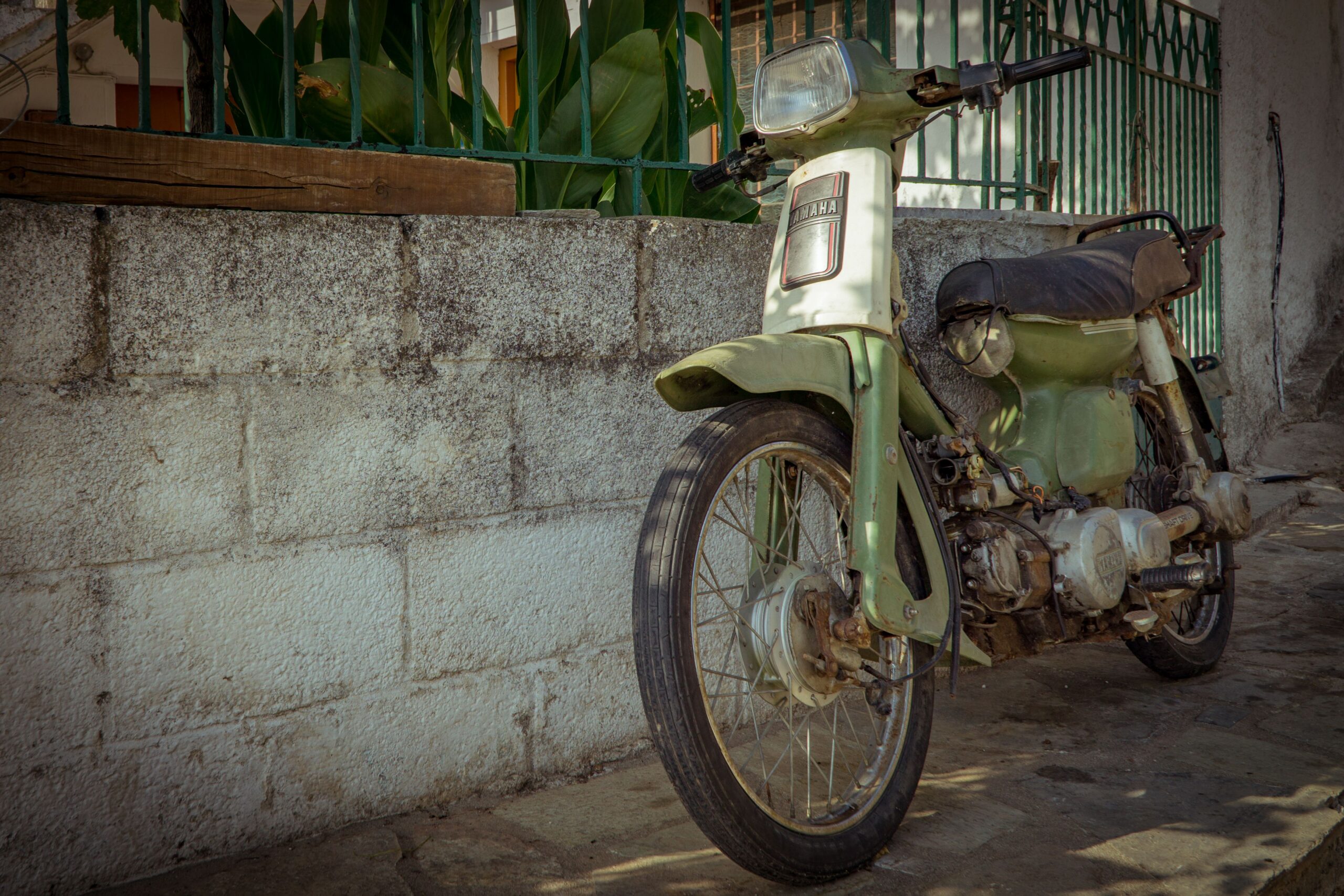
Most new riders buy second-hand bikes in the UK because of a few logical reasons. First of all, brand new bikes depreciate very fast, and chances are high that a person learning how to ride might eventually drop their first bike, so it’s better to do it after spending £2,000 rather than £8,000.
Buying used also means you can get more bike for your money. A three-year-old model that has been well looked after can be a far better value than a brand new entry-level machine.
Buying new does have advantages. You get a warranty, so repairs in the first years are covered. You may also be able to arrange finance through the dealer. But for a first bike, the financial arguments usually favour buying a used motorbike, provided you check the bike carefully.
Checking a used motorbike
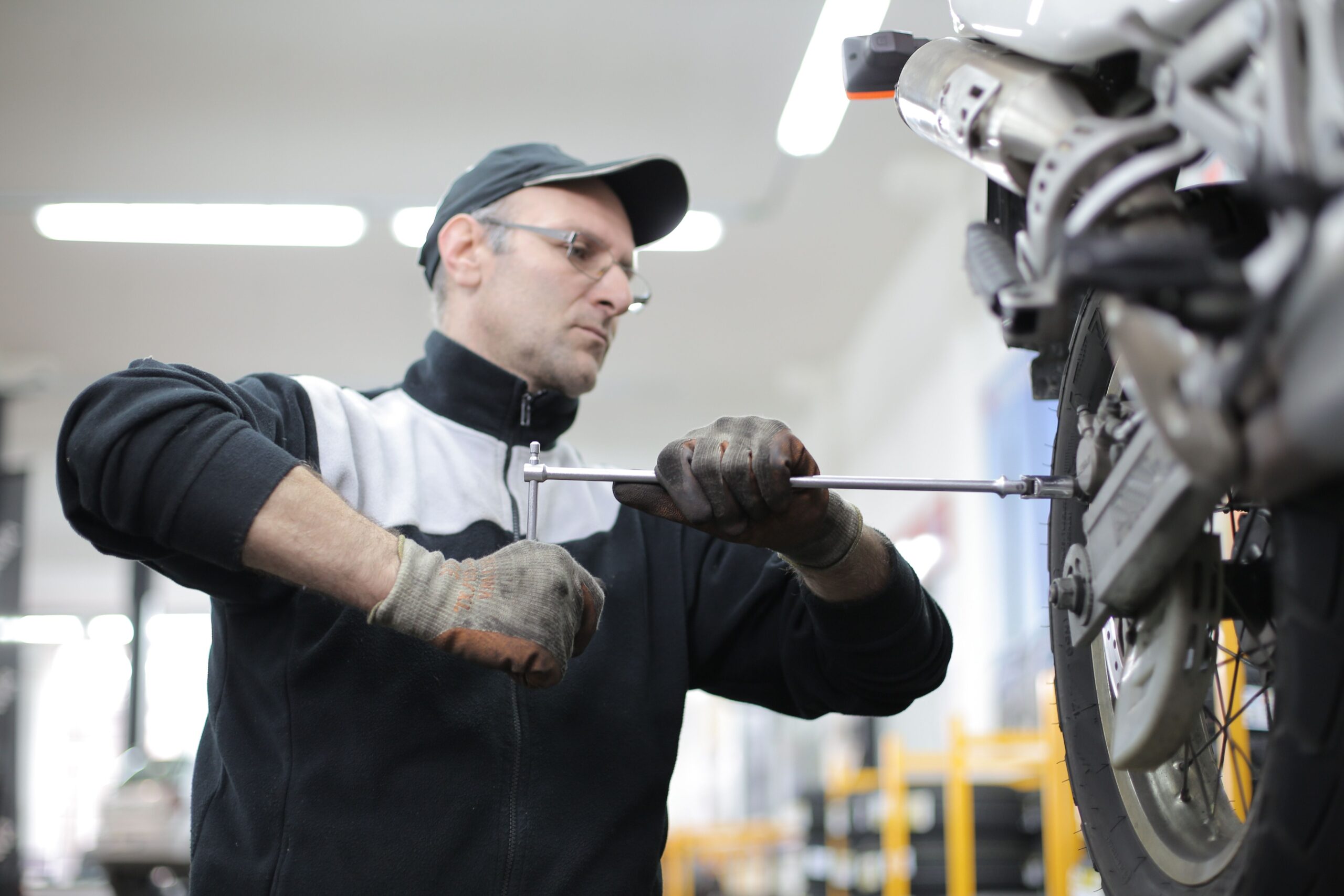
Before travelling to view a bike, consider performing a motorcycle VIN check with a service such as carVertical. A paid report can reveal available records relating to theft, write-offs, previous damage, or mileage discrepancies.
When you do view a bike, here are the checks to carry out:
- V5C logbook: Confirm the seller’s name and address match what is printed, and that the frame number on the bike matches the V5C. Remember that the V5C records the registered keeper, not necessarily the legal owner.
- Frame and engine numbers: Ensure that these numbers are present and clear and that there are no signs of tampering with the numbers.
- MOT history: Check it for free on GOV.UK’s MOT history service. Check any advisory notes indicating repeated issues.
- Service record: Stamps or receipts are evidence of maintenance, but they don’t prove that every service was completed correctly or that no issues were missed.
- Condition: Check for signs of accident damage, excessive rusting and oil leaks. The tyres, chain and brakes must be checked as well.
- Cold start: Ask the seller not to prepare the bike for your arrival. Starting the bike cold will help expose any problem that would otherwise remain hidden due to a warm engine.
If anything feels off, walk away. There will always be another bike.
What it costs beyond the price

Purchase price aside, there will be other costs too, such as road tax, which is dependent upon the size of your engine. When your bike hits the age of three years, you will need to budget for MOTs, services, tyres, brake pads, and chain oil.
Before making a decision about the type of bike to purchase, find out how much bike insurance would cost you for your chosen make and model. Insurance prices are very different from one another, depending on the bike type, age of rider, postcode, and security precautions. A cheap bike may have high insurance costs and vice versa.
Security is also worth factoring in. A decent lock and chain is an investment. Sadly, motorcycle theft is a real concern, and having good security can also reduce your insurance premium.
Gear to buy before the motorbike arrives
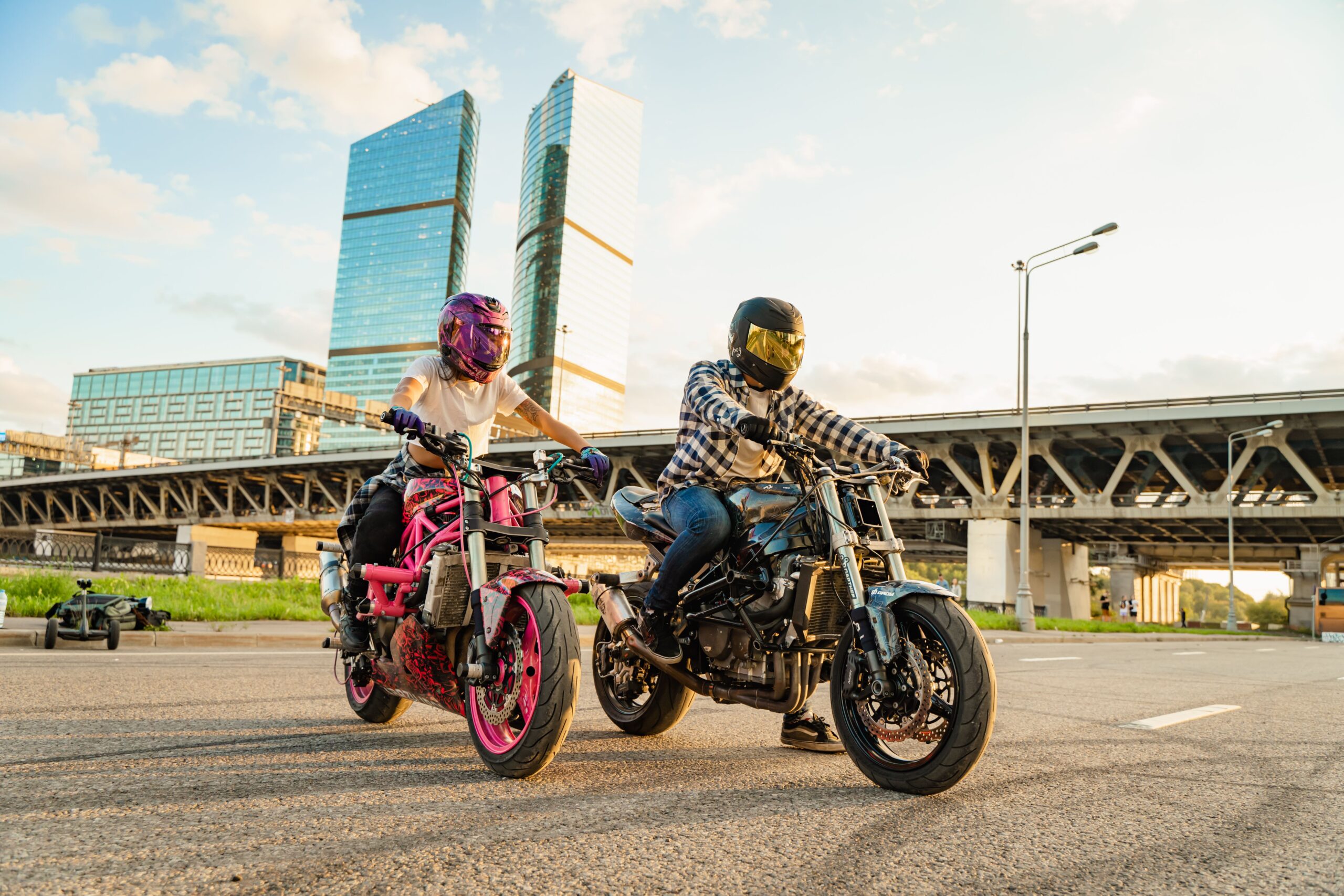
All of this gear needs to be ready for when you collect your bike. According to the law, you must have a helmet certified (ECE 22.05 or 22.06). You will spend about £80 on a cheap helmet, £20-80 on gloves, £150 and above on a jacket and trousers and £50 and above on boots. You can get a decent set of basic equipment within £300-£400 if you plan carefully. A slightly better one will cost you £500-£1,000.
Some other protective equipment is not legally required. However, this doesn’t mean that you won’t have it at all. Gloves will keep you safe from the cold, dampness, and any injuries to your hands. The correct motorbike equipment will protect you from any abrasions on your skin. Good boots are much better than sports shoes. Make sure that you buy the best equipment you can.
Final thoughts for new riders
Don’t start with the motorcycle, but rather start with getting your licence first. Go through CBT, determine what category you qualify for, then try as many motorcycles as you can before making any financial commitment. For most new riders, the smartest buy is a checked used bike with a clean history report.
