
The autonomous car revolution always feels just around the corner. Each year brings predictions that full autonomy is five years away. Meanwhile, partial automation is already here, quietly reshaping how you drive. From adaptive cruise control to lane keep assist, these technologies make everyday trips safer and less tiring. But the leap from assisted driving to true autonomy remains complex, shaped as much by human behavior as by engineering.
1. The Leap from Simple Tasks to Full Awareness
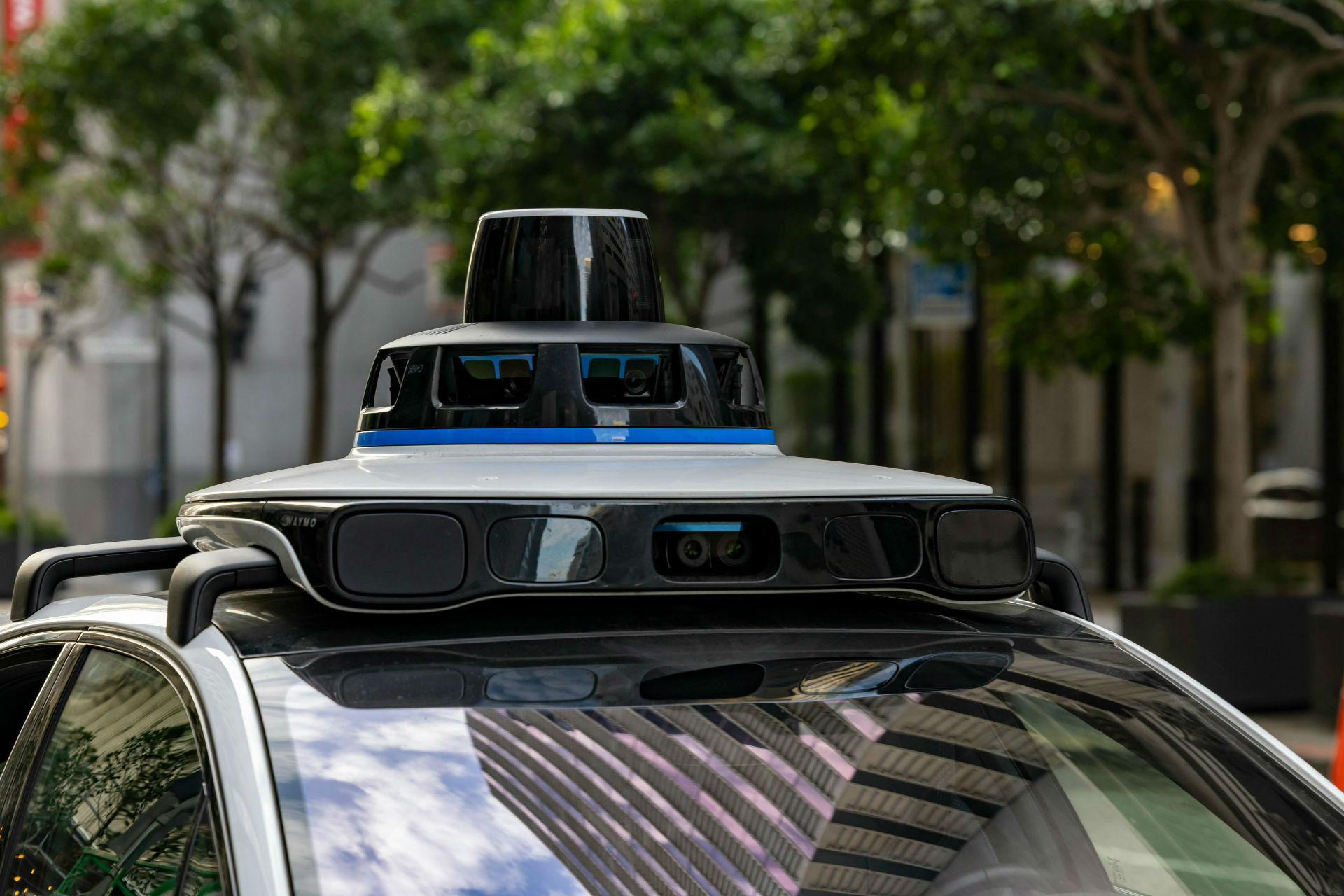
The levels of automation describe the driver’s role. At Levels 1 and 2, the car assists you, but you are always in charge and must supervise. At Level 3, the car can drive itself in specific conditions, yet you must be ready to take the wheel at a moment’s notice. Level 4 is more advanced, allowing the car to drive completely on its own in a predefined area without needing you as a fallback.
At Level 5, the challenge shifts from executing individual tasks to truly understanding the driving environment as a whole. A vehicle cannot rely on separate, task-specific systems for functions like lane keeping and obstacle detection. Instead, it must integrate all of these capabilities into one cohesive and intelligent system. The AI has to understand its surroundings and the broader context in real time. For example, it must distinguish between typical heavy traffic and unexpected events, such as an accident or a parade.
That level of understanding needs more than precise sensing. It demands reasoning, adaptability and judgment under uncertainty. The vehicle must anticipate human behavior, respond to unexpected events and adjust its decisions based on subtle environmental cues. In essence, it must move beyond rule-based reactions to a more flexible, humanlike awareness of the road.
Level 5 automation is very complex. It’s about performing driving tasks and synthesizing them into a coherent, context-aware strategy that works reliably across all conditions. These include rare, ambiguous or entirely unforeseen events.
2. The Future as a Museum Piece
The 2016 GM Self-Driving Test Vehicle offers a striking example of how quickly cutting-edge technology becomes history. Once a state-of-the-art test car that relied on six core technologies to support autonomous abilities, it is now a museum artifact that shows visitors the early steps toward autonomous driving. This vehicle was one of GM’s first efforts to take self-driving cars from the lab to public roads.
It combined cameras, lidar, radar and GPS on the compact Chevrolet Bolt EV platform. Its sensors and antennas, which once signaled advanced capability, now serve as historical markers of a pivotal moment in automotive innovation. Even the interior, with its Bolt layout and emergency stop button, tells a story of human–machine shared control.
Tested on San Francisco streets in 2016 and later joining a fleet of 40 vehicles in San Francisco and Phoenix, it captures the experimental phase of autonomy. The 2016 GM Self-Driving Test Vehicle illustrates the rapid pace of technological change — what once felt futuristic is now a tangible piece of history. Progress is constant, but adoption takes time, turning today’s cutting-edge systems into tomorrow’s museum pieces.
3. Regulation and Public Trust
The rapid pace of technological innovation consistently outpaces the slow development of legal and ethical standards. Full autonomy depends on societal adaptation as much as engineering because building trust and legal clarity often takes longer than building the hardware itself. The emergence of autonomous vehicles brings this conflict to the forefront, creating a fundamental moral dilemma regarding machine behavior when harm is unavoidable. In a crisis, autonomous systems must choose between two competing ethics — minimizing total harm or prioritizing passenger safety.
While many people endorse saving the greatest number of lives in theory, their preferences often shift when their own safety is at stake. This tension makes it difficult to design a single ethical framework that satisfies public expectations. How accidents are presented further shapes trust in autonomous vehicles, with severe or highly publicized crashes amplifying fear and reducing acceptance. Media framing can make rare events feel common, reinforcing doubts about safety and reliability.
Ultimately, the moral problem is technical but also psychological and cultural. People must feel that autonomous systems align with their values, instead of just optimizing outcomes. Without that alignment, even highly capable technology may struggle to gain acceptance. This human-centered challenge can help explain why the finish line always seems to be just over the horizon.
The Revolution Is an Evolution
Despite advances in AI and sensors, the path to full autonomy increasingly centers on the human environment around the car. The “last 1%” is about understanding and adapting to complex human behavior. Legal and ethical progress reflects the effort to define shared values and build trust. The autonomous revolution is as much about people as it is about technology. While both systems and society evolve together, the journey toward full autonomy continues to move steadily forward.
