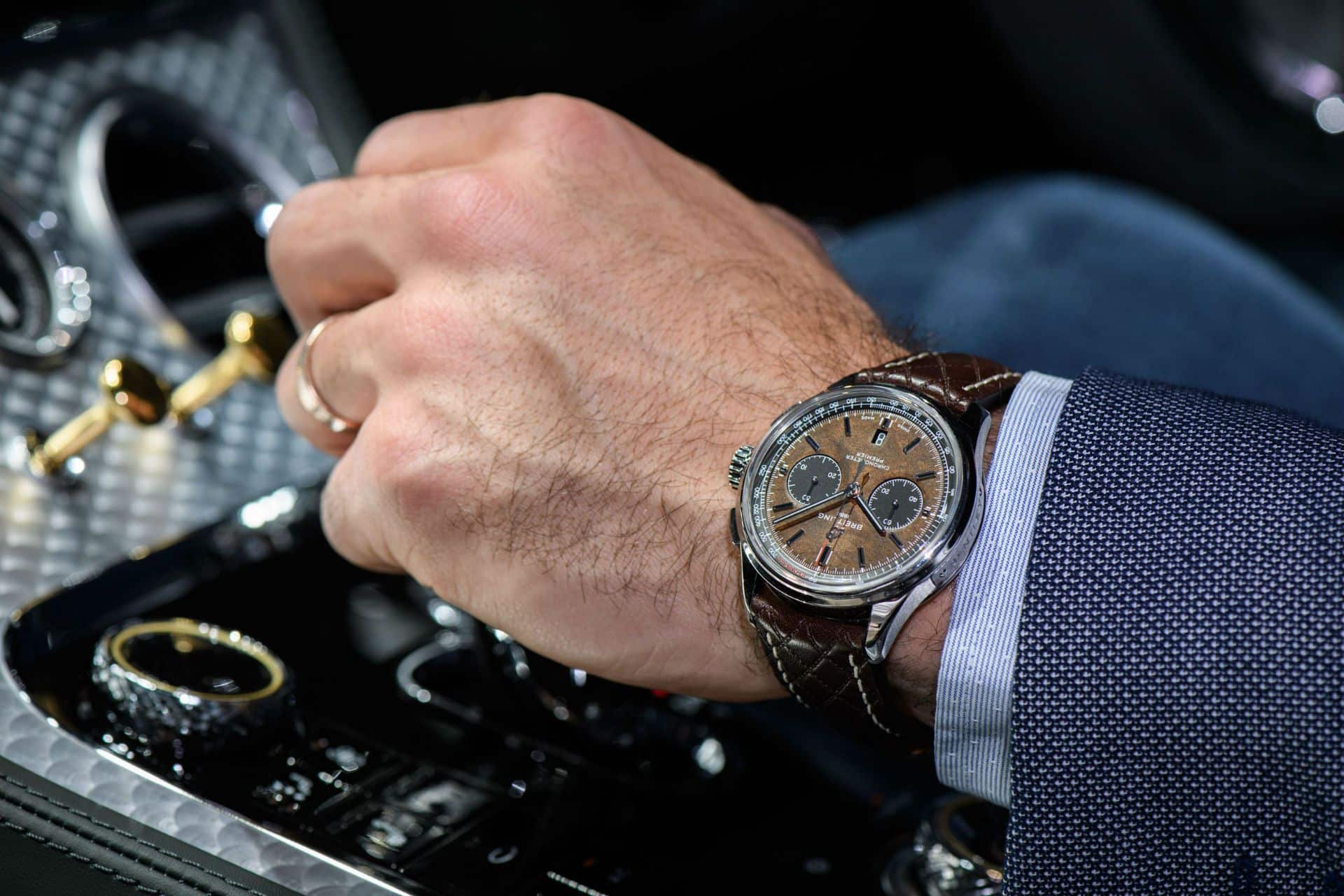
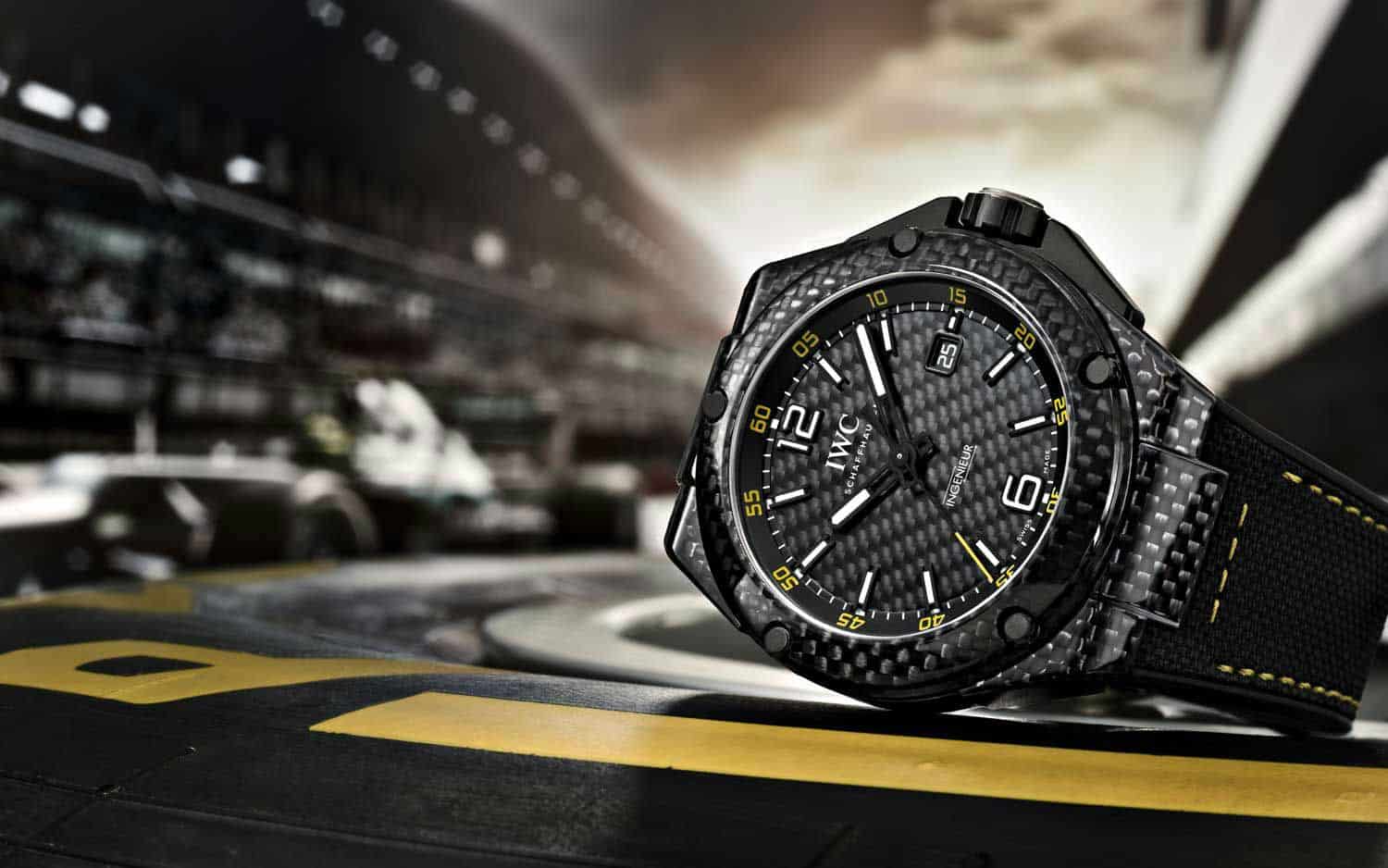
There are a huge number of luxury watchmakers that partner with car manufacturers across the globe. From the iconic collaboration between Breitling and Bentley, to Panerai and Ferrari and of course IWC and Mercedes.
So, what exactly drives these brands to work together? Here, we explore when wristwatches became popular in the UK, what drove the link between timekeeping and cars and the similarities between the two industries.
When did wristwatches become popular in the UK?
According to the Wall Street Journal, the preference for men was to carry pocket watches before World War I, yet “most people went without a watch”. “The Great War was a turning point. Crouching in a trench or exchanging gunfire with the enemy, soldiers hardly had the time to grab a watch from their pocket”. It was then that wristwatches became a “practical necessity”.
They helped soldiers to coordinate transport, deliveries and certain manoeuvres on the front line. They say that watch manufacturers quickly caught on and put so-called “trench watches” for sale to the mass market. When men returned after the war, wristwatches became a popular fashion accessory among the general public.
What’s the link between wristwatches and cars?
Many put the connection between cars and watches down to the rise in popularity of motor racing. Britannica states that “international racing in the modern sense began after James Gordon Bennett, owner of The New York Herald, offered a trophy to be competed for annually by national automobile clubs”. The first races took place in 1901.
As the popularity of motor racing soared, so did the need to measure race times accurately. Competitors wanted to complete races as quickly as possible and were keen to measure the time that had passed from the beginning to the end of their races. This is where the requirement for highly accurate chronographs came in – and watchmakers began to create timepieces specifically for the motoring world.
There have been close partnerships between luxury watchmakers and car manufacturers ever since. Brands have collaborated to create impressive timepieces that offer the reliability, accuracy and durability required on the road.
For instance, Japanese watchmaker Seiko has collaborated with many car manufacturers including Suzuki and Toyota. This led to the creation of many iconic Seiko watches including the Jimny edition and the unique Modellista.

What makes the car and watch industries similar?
So, what connection do these industries share? Perhaps it’s the similarity between the two types of manufacturing. After all, both cars and watches are expertly crafted mechanical machines that contain a huge number of parts, working together in harmony. People who are interested in the inner workings of car engines may also be fascinated by the mechanical movement of watches.
Another similarity between the worlds of watches and cars is their emotional pull. Just like people enjoy collecting cars, people also like to collect watches – and can form an emotional attachment to the items they purchase. Some enthusiasts take up watches and cars as hobbies, collecting classic pieces, scouring for limited edition items and immersing themselves in the history of certain models.
It will be interesting to see what future innovations come from the collaborations between car manufacturers and luxury watchmakers. Would you invest in one of these limited-edition timepieces?