
If you have only recently graduated, you should probably start seriously thinking about getting your own car. Once you have landed a graduate-level job position, your new employer will require you to always turn up to work on time, as News24 warns – and you can’t always rely on public transport.
So, if you want to prevent such risks as service delivery strikes putting certain public transport routes out of action and consequently imperilling your commute, what type of car should you look for?

Flexible payment options
As you leave university for the last time, you probably won’t exactly be swimming in cash. However, you could also have a weak – if any – credit history. So, trying to figure out how to fund your car purchase could feel like an uphill battle – but there remain options that might be open to you.
For example, a parent might be able to co-sign for a car loan to help you unlock better financing deals – and some automotive brands might be offering new-car discounts to graduates.
Availability of affordable insurance premiums
As many car insurers deem young, inexperienced drivers a bigger risk to them financially, you could easily be hit with heftier insurance premiums than what your parents routinely pay for car insurance.
However, the cost of premiums can also depend on the car model itself – as some models use pricier parts and thus would be more expensive to repair if they incurred damage. So, you could do your future self a big favour later by choosing a relatively insurance-friendly vehicle now.

Fuel efficiency
Once you have actually got the car, it could have left you with various types of monthly outgoing for months, if not years, to come; think the likes of loan repayments and insurance premiums.
However, you will also – naturally – have to keep paying for fuel simply to drive the car regularly over that kind of time. Hence, choosing an especially fuel-efficient car – like the Datsun Go or Suzuki Ignis – could bode well for you financially in the long term.
Pricing that would fit into your overall budget
Yes, this might initially seem like an obvious point to bring up. However, you do need to be careful to account for all current and future expenses – including regular maintenance and servicing costs as well as parking expenses that could unexpectedly crop up.
According to one suggestion shared by Fox Business, monthly car payments and related expenses should not outweigh roughly 20% of your net income. If your budget is especially tight, you could even research current car competitions to see how significantly you could save on the car itself.
Value for money
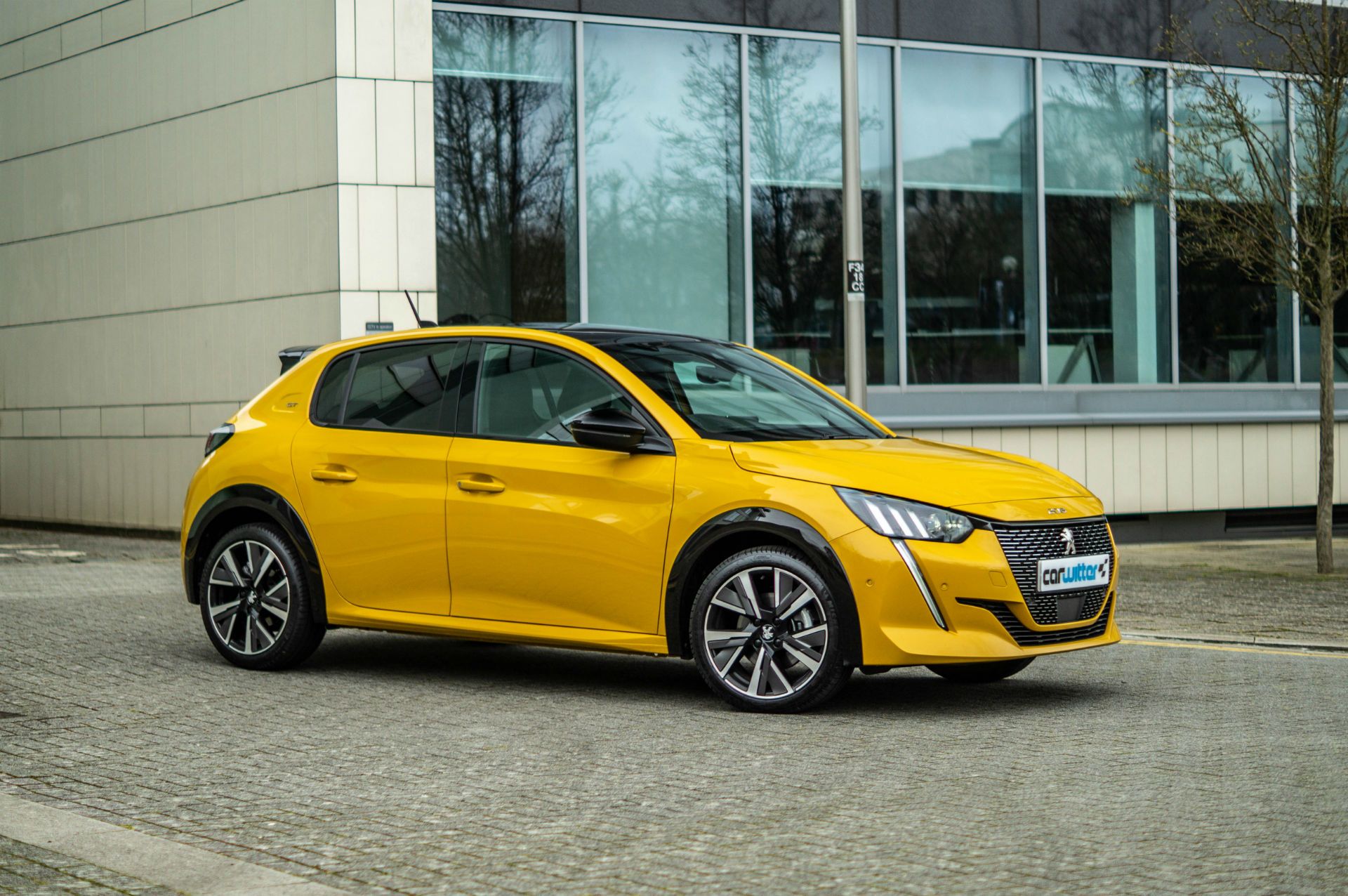
This isn’t quite the same as the amount of money you would spend on the car. A certain car model could look expensive on paper, but you might still consider the purchase worth it if the car includes various features appearing prominently on your list of automotive must-haves.
Such features could include Bluetooth connectivity or compatibility with smartphone-based software interfaces like Apple CarPlay or Android Auto.
