
With winter’s icy grip coming and going as it pleases, drivers across the UK are battling the inevitable challenges that come with plummeting temperatures. Amidst the wide array of vehicle components affected by the cold, it’s the humble car battery that takes center stage, facing a slew of challenges.
So lets take a look at the scientific intricacies of how cold weather can impact our car batteries.

At the Heart of it All: Chemical Reactions and Cold Snaps
Car batteries operate on the principles of chemical reactions to generate electrical energy. However, as temperatures drop, these chemical reactions experience a significant slowdown. The mobility of ions in the battery’s electrolyte decreases, impairing the battery’s ability to accept or deliver current effectively.
The consequence?
Diminished overall performance that can leave car owners grappling with a host of issues.
Power Struggles: Reduced Cranking Power in the Cold
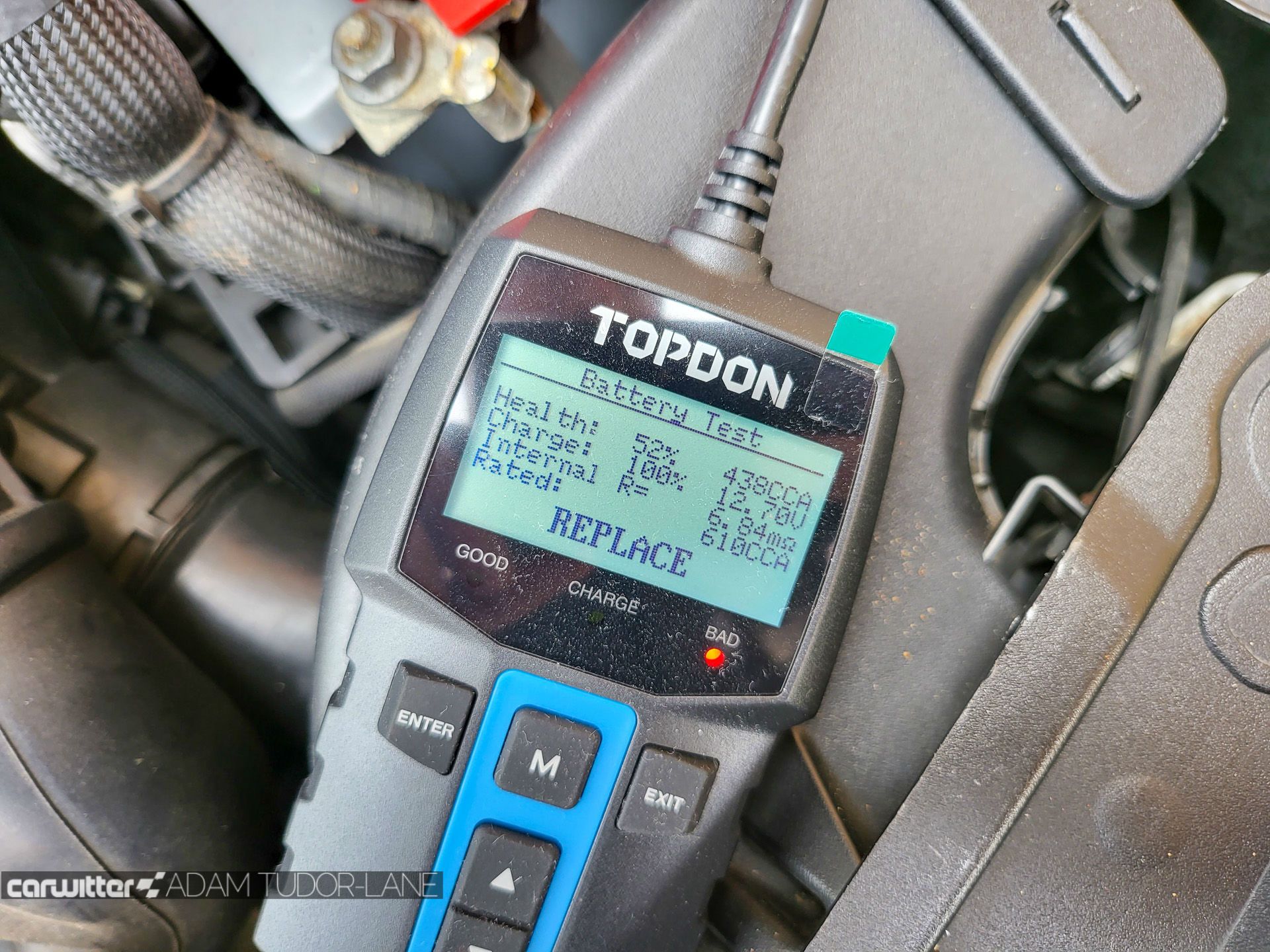
When the mercury takes a nosedive, your car battery faces a critical challenge: reduced cranking power during engine start-up. The internal resistance of the battery increases in cold weather, making it a Herculean task for the battery to supply the necessary power to turn over the engine.
The result?
Sluggish starts or, in severe cases, a complete failure to start, leaving your vehicle stranded in the freezing cold.
Accessory Overdrive: Draining Energy in the Frosty Chill
In the winter chill, drivers often rely on creature comforts like heaters, demisters, and heated seats.
While these add-ons enhance comfort, they also add extra strain to the car battery, depleting its charge even quicker. The battery may struggle to power essential systems without adequate recharging, leading to malfunctions or a complete breakdown.
Frosty Perils: The Freezing of Battery Electrolyte
Extended exposure to freezing temperatures can wreak havoc on a car battery, causing the electrolyte within to freeze. As ice forms, the electrolyte expands, posing a risk of cracking the battery’s internal components. A damaged battery loses its ability to hold a charge and must be replaced. The freezing point varies with the state of charge, highlighting batteries’ vulnerability in the extreme cold.

Sulphur Slowdown: The Intricacies of Sulphation in the Cold
Cold weather decelerates the sulphation process within the battery, but the increased use of heaters and lights can offset this advantage. Sulphate crystals may accumulate, diminishing the battery’s capacity over time and hindering recharging. If left unaddressed, sulphation can lead to irreversible damage, which means you need a new battery!
Enter CTEK’s CS ONE: Your Winter Savior
Amidst the winter woes, CTEK’s CS ONE emerges as a beacon of hope. Equipped with APTO™ Technology, it effortlessly identifies your battery type and initiates a tailored charging program, eliminating the need for manual intervention.
Connecting the CS ONE to any 12V battery unleashes its magic—no buttons, modes, or polarity concerns. The polarity-free, spark-free clamps offer peace of mind, adapting to the temperature for safe use in any condition.

Surviving the Winter with CS ONE
Cold weather can be especially unkind to car batteries, impacting capacity, cranking power, and overall performance. Understanding these effects and adopting preventative measures can be a game-changer for car owners.
Regular maintenance, coupled with proactive steps, becomes essential in overcoming the challenges posed by the frigid temperatures of winter.
With CTEK’s CS ONE by your side, winter driving transforms from a daunting task to a seamless, worry-free experience.

