
Cold weather can expose challenges and limitations in a workshop that seem less important during warmer months. Roller doors open repeatedly and vehicles arrive covered in moisture, while technicians move between warmer and draughtier areas. If you rely on portable heaters alone, you may waste energy without giving your team a comfortable or safe place to work.
Keep temperatures suitable for your employees
You have a responsibility to provide a reasonable working temperature and assess the risks that cold conditions create. Although technicians often carry out physical work, they’ll also spend time diagnosing faults or working beneath stationary vehicles. During these less active tasks, they can quickly lose body heat.
Cold hands make it harder to grip small fasteners or handle diagnostic equipment accurately. Prolonged discomfort can also reduce concentration, which matters when an employee uses a lift or works around moving components.
Assess temperatures across the workshop rather than relying on a thermostat near the office. Pay particular attention to inspection bays and entrances as well as places where employees remain still. You can then position suitable fixed heating where it’ll make a practical difference.

Balance warmth with effective ventilation
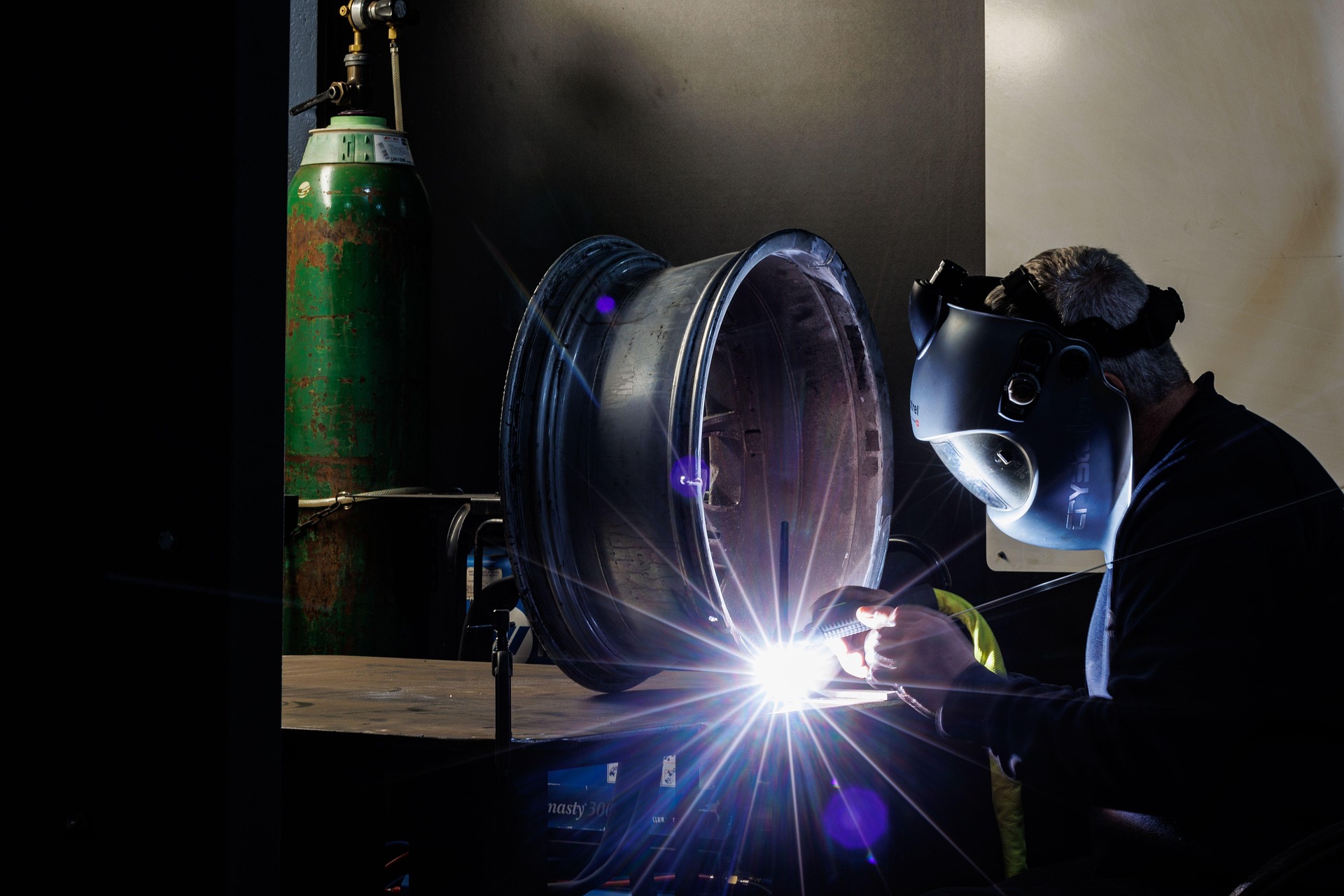
You can’t simply seal every opening to retain heat. Running engines release harmful exhaust fumes, while processes such as welding can introduce further contaminants. Effective ventilation removes polluted air before it builds up around your employees.
The challenge often lies in replacing extracted air without creating severe draughts or forcing your heating system to work continuously. Local exhaust extraction can capture fumes close to a vehicle’s tailpipe. Well-positioned air inlets can then maintain airflow without chilling the entire room.
Review your heating and ventilation together, especially after changing the workshop layout or adding equipment. A system designed around the building’s working zones will usually perform more consistently than unrelated heaters and fans.
Don’t overlook fire risks
A garage may contain petrol vapour and other flammable substances. Hot work introduces another hazard, so an unsuitable heater can become an ignition source.
Portable units can prove particularly risky if employees move them close to fuel systems or waste containers. Damaged cables present a different concern. Choose equipment that suits the environment, keep ignition sources away from flammable vapours and include heaters within your fire-risk assessment.
Your inspection routine should cover the condition and positioning of each heater, along with its electrical connections. Staff also need to know where they can use heating equipment and when they must switch it off.
Support heating with clothing and working practices
Warm clothing can complement your system, but it shouldn’t replace adequate workplace heating. Layered workwear helps employees adapt as they move between indoor and outdoor areas. For particularly cold tasks, heated work trousers can provide targeted warmth without restricting movement.
Changes to working practices can help too. You might rotate duties or schedule appropriate warm breaks, particularly when someone has spent an extended period near an open door. These measures support individual comfort while your main system maintains a safe, workable baseline temperature.
