
I have a confession to make.
I own an electric car and, at various points, I have had more charging apps on my phone than there are people in my immediate family.
Some are useful. Others are apparently designed to tell you that a charger exists, before explaining that it is currently unavailable. Then there are the ones that want an account, an email address, a payment method and possibly your first-born child before allowing you to add 14 miles of range.
And yet there is a much simpler bit of EV kit that we don’t talk about nearly enough.
The EV granny charger.
It isn’t particularly glamorous. Nobody is going to gather around at a car meet and ask what firmware version it is running. But stick one in the boot and suddenly your EV becomes a little less dependent on the whims of the public charging network.
The problem with relying on chargers being where you expect them
Most of the time, charging an EV is remarkably easy.
You find a charger. You plug in. You wait. You leave.
Then you go somewhere slightly less predictable.
A country cottage with a driveway but no wallbox. A campsite where “EV charging” turns out to mean one socket behind reception. A hotel where the charging bays are occupied by diesel SUVs because apparently parking signs are merely suggestions.
This is where EV ownership can become an exercise in creative problem solving.
Suddenly you’re sitting in the driver’s seat with 17 percent battery, three charging apps open and Google Maps displaying a collection of increasingly desperate options.
The charger 11 miles away? Broken.
The one 14 miles away? Full.
The supermarket charger? Requires an app you’ve never heard of.
Excellent.
Time to unpack the EV granny charger.
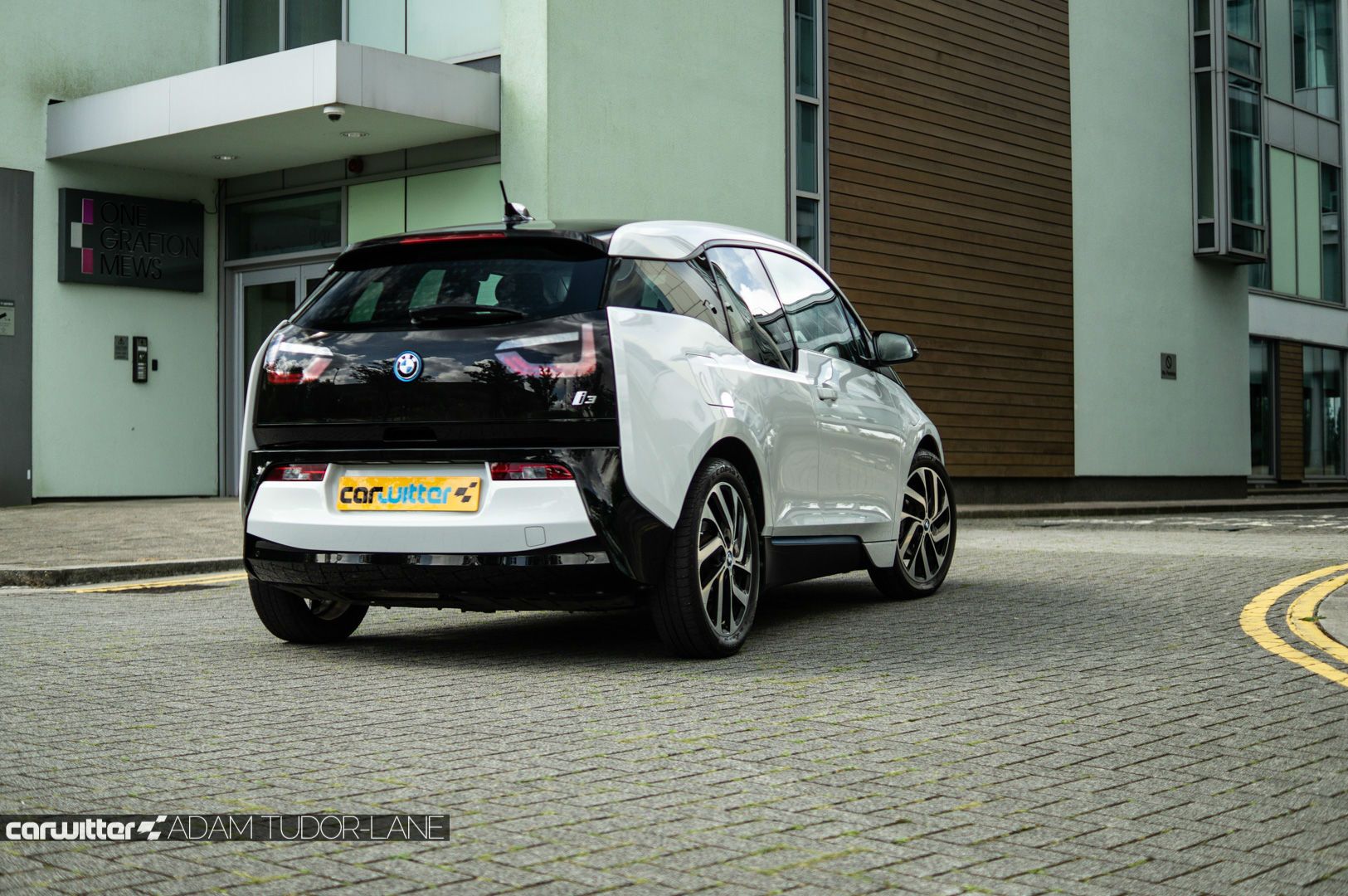
It is basically the EV equivalent of bringing an umbrella
There is something reassuringly British about carrying an accessory you hope you won’t need.
We do it with umbrellas. We do it with jump leads. We do it with waterproof jackets that have spent three years living in the boot.
The logic is simple: when you need it, you really need it.
A portable EV granny charger works on much the same principle.
It allows you to charge from a suitable domestic socket rather than depending entirely on dedicated public charging infrastructure.
It is not fast. That’s rather missing the point.
If you’re parked at a holiday cottage for eight hours, you’re not standing next to the car waiting for a miracle. The car is parked. You’re inside eating something involving gravy.
Slow charging suddenly becomes perfectly acceptable.
No, it isn’t going to replace a wallbox
Before anyone starts sharpening their keyboard, no, a granny charger isn’t a replacement for a proper home charging setup for everyone.
If you have a driveway, own the property and charge your EV every night, a wallbox makes a great deal of sense.
But not every EV driver has that arrangement.
Some people rent. Some live in flats. Some have communal parking. Others simply don’t drive enough to justify a permanent installation.
And some of us like having a backup.
That’s where a portable charger makes sense.
Voldt®, for example, offers mobile EV charging solutions for domestic sockets as well as higher powered CEE connections. The appeal isn’t that it turns your holiday cottage into a rapid charging hub.
It doesn’t.
The appeal is that it gives you another way of putting electricity into the car.
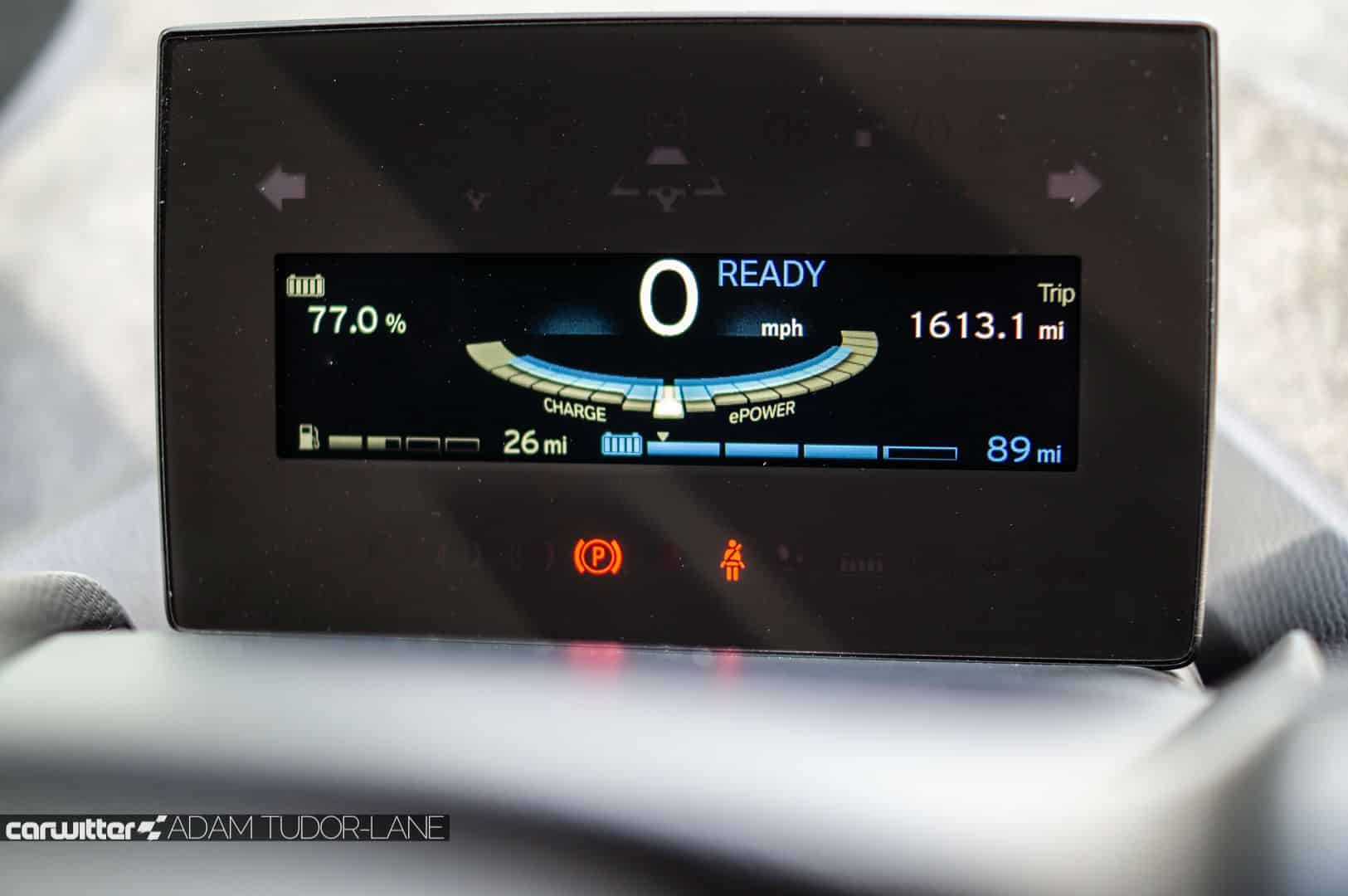
The charging equivalent of having cash in your wallet
There was a time when leaving the house without cash felt slightly reckless.
Most places accepted cards. Then you found yourself in a tiny village café with a handwritten “CASH ONLY” sign and suddenly that £20 note looked like the best financial decision you’d ever made.
A granny charger is similar.
You won’t necessarily use it on every journey.
But when the charging plan falls apart, you don’t have to start inventing alternative routes around the nearest functioning rapid charger.
You can simply plug in.
That is particularly useful on longer trips where accommodation is involved. You can arrive with enough range to reach your destination and worry about charging once you’re parked.
The least exciting accessory might be one of the smartest
The EV industry loves talking about battery capacity, charging speeds and increasingly enormous infotainment screens.
All useful stuff.
But there is something refreshingly uncomplicated about carrying a portable charger.
No subscription. No account. No RFID card. No wondering whether the charger has decided to communicate with your car today.
Just electricity, a suitable socket and a little patience.
The EV granny charger may therefore be one of the least glamorous accessories you can buy for an electric car.
It may also be one of the most sensible.
Because when your carefully planned charging strategy inevitably meets reality, it is rather nice to have a Plan B sitting quietly in the boot.
Preferably underneath the umbrella.
