
Buying a first hybrid car in the UK is an exciting milestone. You get the benefit of lower fuel bills and a smoother driving experience without full electric anxiety. Modern petrol-electric models switch between power sources automatically to keep efficiency high.
Navigating the market takes a bit of planning. The vast array of options can feel overwhelming at first. Understanding how these vehicles work will help you secure the ideal motor for your daily commute.
Understanding Basic Hybrid Systems
Hybrid vehicles combine an internal combustion engine with an electric motor and a battery pack. Parallel hybrids use both power sources to drive the wheels, while series hybrids use the engine purely as a generator. You do not need to alter your driving habits dramatically to get great results from either layout.
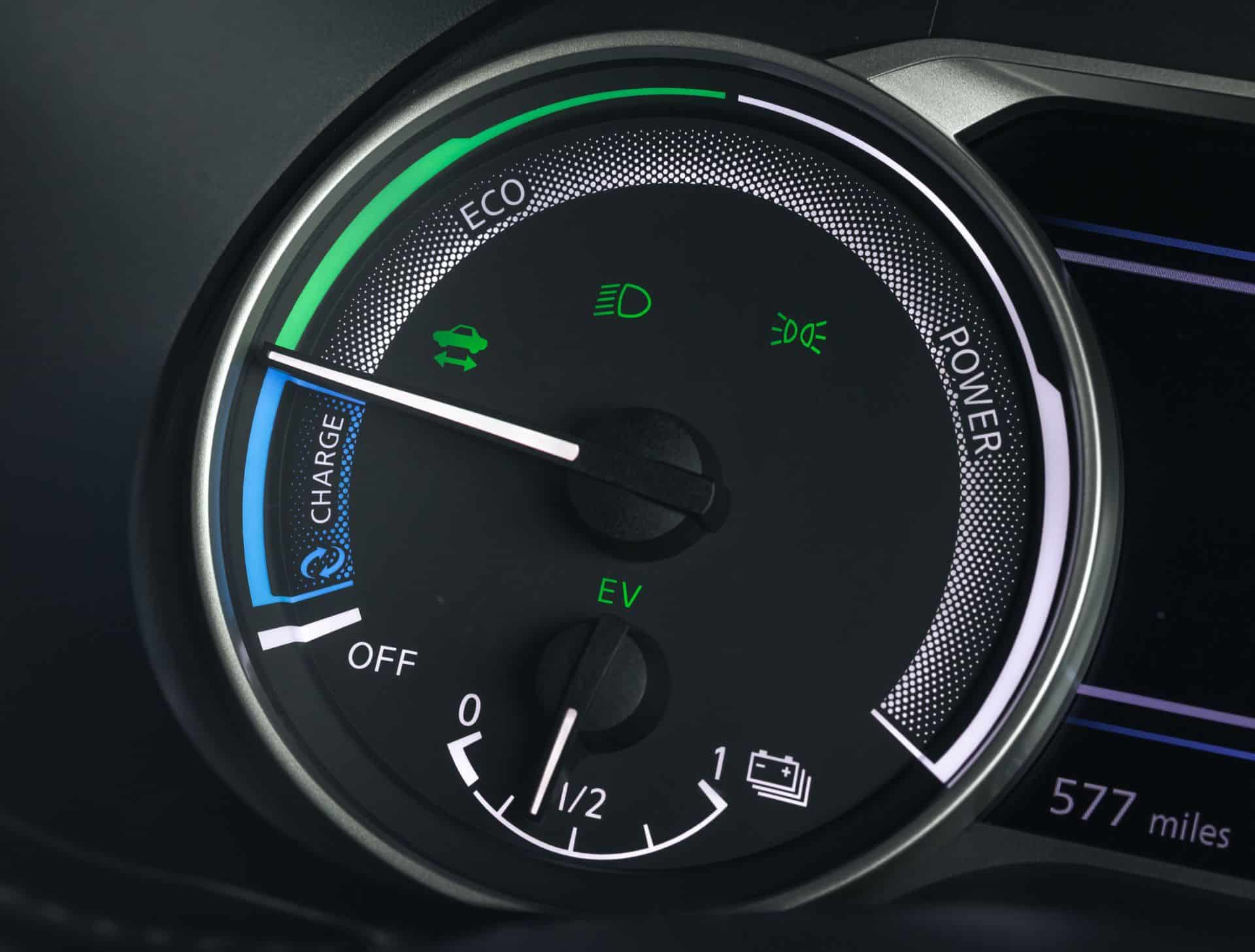
Energy recovery remains a central feature of these powertrains. When you press the brake pedal, kinetic energy charges the onboard battery. This recaptured power helps launch the car from a standstill, saving precious fuel during stop-start urban driving.
Sizing Up the Right Vehicle Body Style
Think carefully about your space requirements before making a final selection. Compact hatchbacks work brilliantly for city driving and tight parking bays. Larger families usually require extra boot capacity and higher seating positions for daily errands.
For those needing extra space and elevated driving views, exploring a comprehensive guide to self-charging hybrid SUVs offers clarity on practical options. These crossover models combine spacious interiors with clever fuel-saving tech. They handle family holidays and heavy supermarket runs with complete ease.
Choosing Between Standard Hybrids and Plug-In Alternatives
Standard hybrids charge their own batteries through braking and the engine. They suit drivers without home charging facilities or driveway access. A recent report revealed that nearly one in four cars sold in the UK were battery electric vehicles in 2025, yet full hybrids retained the highest market share at 31.99 percent.
Plug-in hybrids feature larger batteries that you plug into a socket. They offer 30 to 50 miles of pure electric range before the petrol engine starts. If you cover short daily distances and can install a wallbox, a plug-in option might reduce your running costs further.
Assessing Real-World Fuel Economy
Official MPG figures provide a baseline, but actual performance depends on your driving environment. Hybrids perform exceptionally well in urban traffic where braking happens frequently. Highway cruising relies more heavily on the petrol engine, which slightly reduces overall efficiency.
- High-speed motorway trips use more fuel because the electric motor assists less.
- City driving maximizes battery power and regenerative braking recovery.
- Cold weather reduces battery performance and requires extra engine heat.
- Gentle acceleration keeps the vehicle in electric mode much longer.
Check owner reviews to get a realistic picture of fuel consumption. Look for drivers who match your typical weekly mileage and road types. Real-world data gives a truer picture than laboratory test figures.
Taking time to compare vehicle sizes, warranty terms, and real-world efficiency figures sets you up for success. Electrified motoring offers smooth performance and low running costs. With a clear idea of your priorities, finding the right hybrid for your lifestyle becomes a straightforward journey.
