
Rolec Wallpod EV Charger Review
When deciding to switch to an electric car, the search for an aesthetically pleasing EV home charger commenced, I settled on the Rolec Wallpod. Here’s why.
What is it?
The Rolec WallPod is an EV charging unit that can provide Mode 3 charging at 3.6kW – 16A or 7.2 kW at 32A.

How?
To make the WallPod fundable under the OZEV EVHS grant, it has to be a smart charger; this means it’s app-controlled and can keep a record of your charging times/costs etc. The Rolec WallPod does this via a partner piece of software called EV.Energy.
You can pick from a tethered and un-tethered WallPod; the former has a cable that wraps around the unit, so you don’t have to use the Type2 cable that comes with your car.
Personally, I hate tethered units; the cable looks messy and ugly. Un-tethered means a fairly small-ish box on the wall, which is no big deal and far neater. The Rolec ev charger measures 36.7 cm high, 17.9 cm wide and 14.2 cm deep.

It’s not the smallest of chargers, but it’s also fairly unobtrusive too – mainly thanks to the myriad of colour combinations you can opt for. However, it does stick out a fair way, and having a peek inside the polycarbonate unit when the install was going on, it looks as though it could be slimmed down a little.
The unit, after all, is a one-size-fits-all type affair as it also serves their ‘EV Ready’ version, which adds a 3 pin socket to the upper section, along with their ‘OpenCharge’ pay to charge/RFID/fob model as well as their ‘Superfast’ and ‘MultiMode’ units. The tethered version is again the same design but features two fins at the top to wrap the cable around.

All the smart models feature built-in GPRS communication, so you don’t have to worry about having WiFi nearby; it also negates you from potential troubles when it comes to EV chargers being exploited by hackers as the device isn’t on your home network. Just make sure you have a decent enough mobile signal where the unit is being installed.

On the front of the WallPod, you get a Type2 socket; above and to the right is what looks like a small metal button, but this is actually the LED indicator. It flashes blue when ready to smart charge, solid blue when plugged in and ready to smart charge and solid green when charging. The LED is nice and bright, so it can be easily checked from a distance or from an upstairs back bedroom window as I do.
The polycarbonate plastic body is also UV stabilised, so it won’t fade/crack like some of the older models you see out and about – ahem, BP Chargemaster.

What’s it like?
You can purchase a Rolec charger either direct with Rolec or via a third party. The OZEV EVHS grant is then fully claimed by the installer, so there’s nothing you have to do regarding that. You do, however, have to have a V5 certificate for an EV or PHEV in your name to be eligible; this can only be claimed once while the vehicle is in your name, and there’s a maximum of two OZEV EVHS grants per household.
Installation was carried out by Powered Solutions, who specialise in EV installations. I paid an additional £75 for about 10 meters of armoured cable; even though my garage has power, it’s been bodged from the back of a socket in the living room. EV chargers must be wired from the main incoming supply, which meant a pretty long run around the whole house, under a path, then up into the garage.
So this happened today!
Huge thanks to @RolecEV for such an unobtrusive, smart looking charge point, and @PoweredEV for the great install…it was a seriously long cable run!
⚡#Rolec #WallPod #RolecWallpod #PoweredEV #EV #EVCharger pic.twitter.com/SUe8Z9Q6ge
— (@car_witter) February 23, 2021
The good thing about doing it this way is that the cable supplying the WallPod is totally hidden; it goes through the garage wall and into the back of the unit. I’ve seen many where the cable is tacked up the wall and into the WallPod from below. Urgh. Hideous.
It took around two hours for the installation, and the power only needed to be switched off for a few minutes while the charger was linked into the existing supply. The WallPod has its own ‘O-PEN’ fuse box (consumer unit), which negates the need for an earth rod/electrode when installing an EV charger. It monitors the feed to the charger, and if there’s a problem, it will disconnect all poles, including the earth.
That long cable run was tacked neatly to a line in the brickwork, it’s barely noticeable, especially now it’s six months on, and some climbing ground cover has added to the camouflage.

One of the best things about Rolec EV – apart from being made in the UK, is the range of colours you can pick from. The default is either White/Green or Black/Green, but you can even opt for reddy, terracotta hues to make it match in with existing brickwork if required, or maybe go with one of the other colours to match it with your car?
Opting for black with grey inserts, our WallPod is pretty subtle; it doesn’t draw the eye and, to most, will just look like an outside socket.
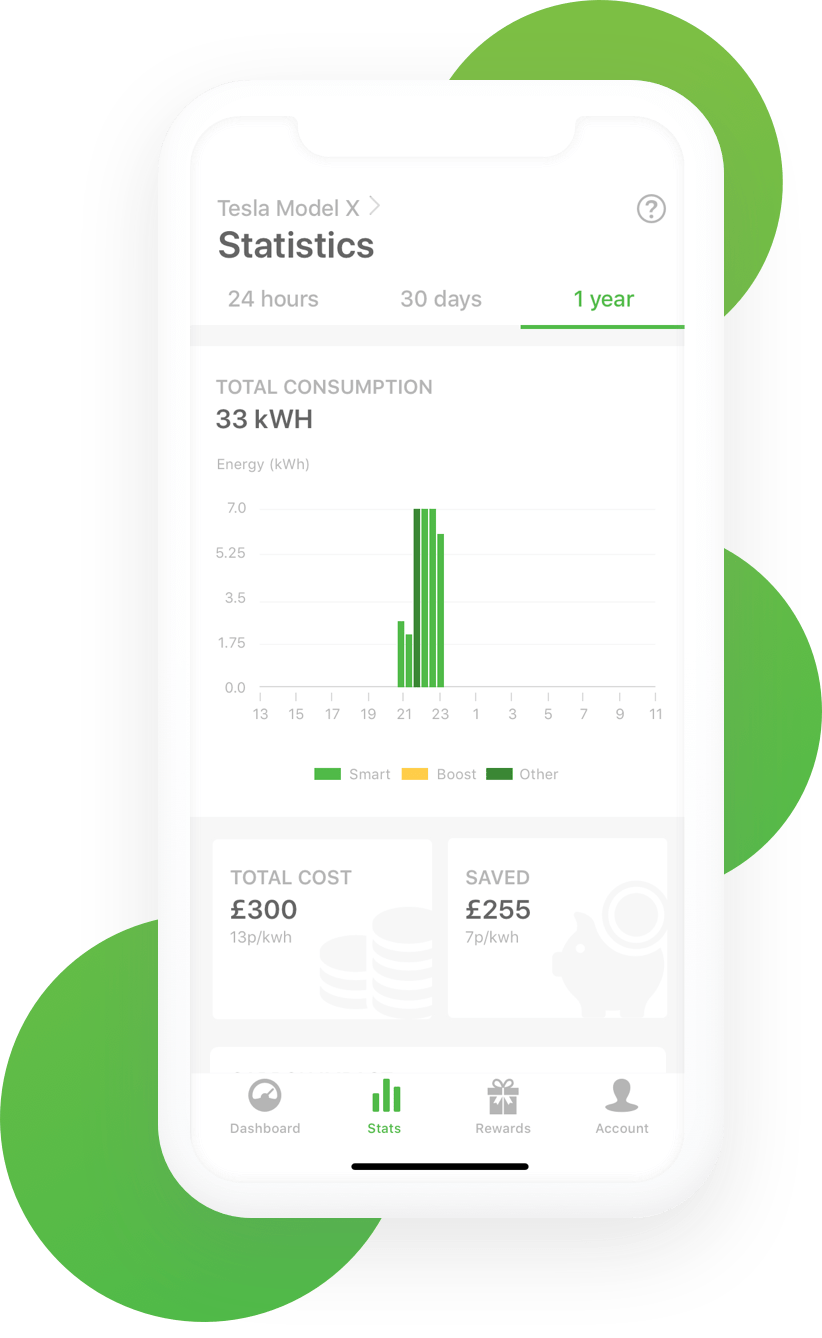
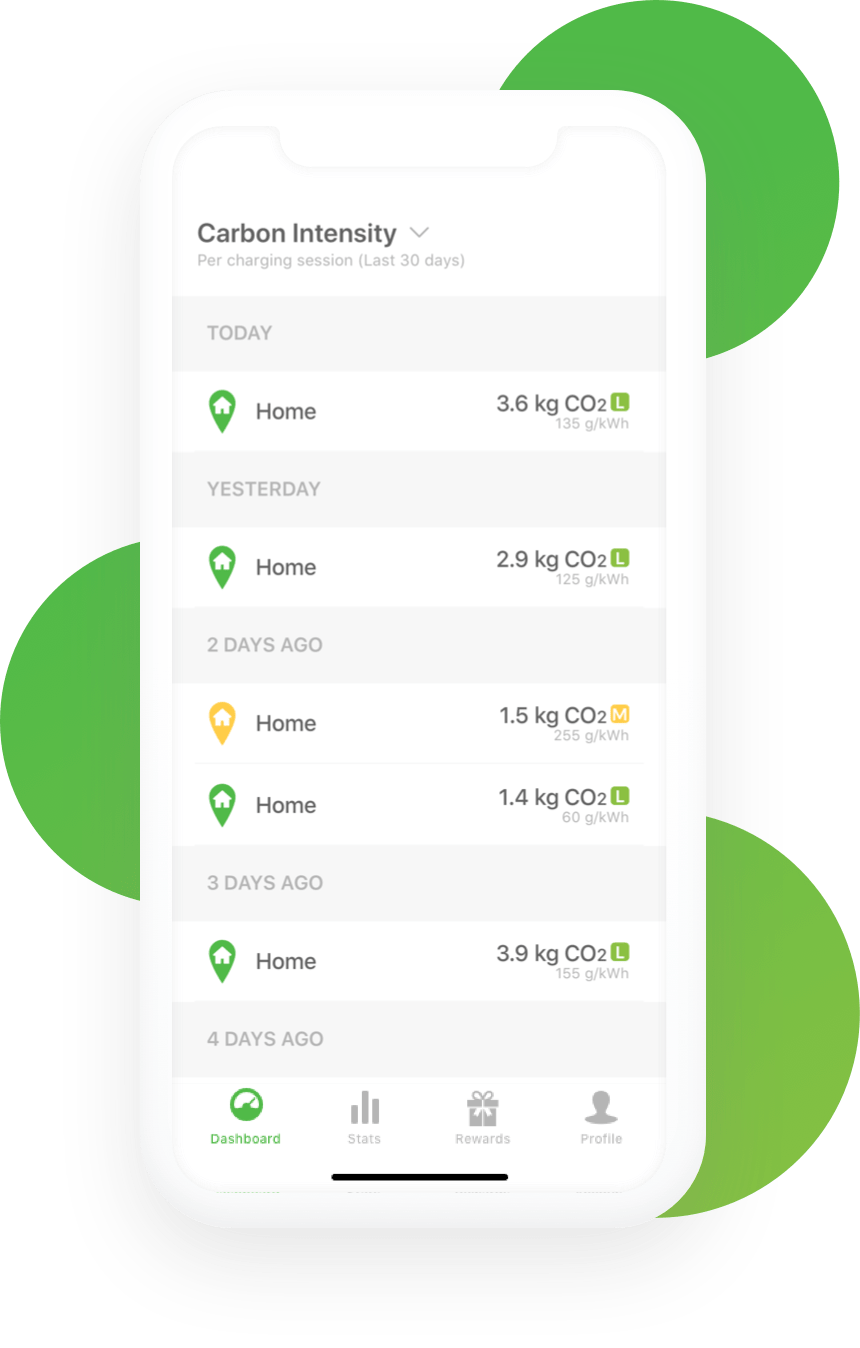
Using the WallPod is incredibly easy; just plug in and the EV.Energy app will start charging when electricity CO2 levels are lowest in your area – that basically means when more ‘green’ energy is in use, which is usually when demand is low. For example, our BMW i3 normally charges from 2am in the morning until around 5am.
If you need a quick top-up, you can always override the smart charging, just press ‘Boost’ in the app, and it will charge straight away.
Naturally, using the smart abilities to the fullest will enable you to be as near to carbon neutral as possible – depending on your supplier/tariff.
Shell Energy are currently offering £50 for signing up via out bespoke link, they use 100% renewable energy via offset.
EV.Energy is a superbly useful app as you can add your current electricity supplier and the tariff you’re on. If it’s not on the list already, just email support, and they’ll get the details added within a day or two. This way, you can easily keep track of how much your EV is actually costing you in electricity. So far, we’ve driven about 2,500 miles which has cost £95 in electricity. This equates to around £20 a month.

When not plugged in, the WallPod uses 0.05kWh per day, this is minimal, but if I know I’m not going to be charging for two or three days, I’ll just flick the fuse off on its dedicated fuse box.
My only real moan is I wish it was a little thinner; sticking out at nearly 15cm is pretty deep. Shaving 5 cm off that by changing the internals or the backbox is surely doable?

How much does the Rolec Wallpod cost?
Prices start at £445, including VAT for the untethered unit, and £515 for the tethered one.
That includes the government OLEV EVHS grant, which makes the WallPod superbly priced given its looks and features.
You can find them cheaper on Amazon, but you will have to either pay for installation yourself, or get a qualified electrician to check all the cabling and do the final connecting.

