
Drivers today have more options at the pump than ever before. Two of the most talked-about alternatives are renewable diesel and biodiesel. Both fuels aim to reduce greenhouse gas emissions from transportation, but do so in different ways. Understanding how they differ can help you decide which one fits your vehicle and your priorities on the road.

Renewable diesel — once known as green diesel — is a hydrocarbon fuel. Producers make it mainly through hydrotreating, gasification, pyrolysis, and other chemical and biological processes. It meets ASTM D975, the same standard as petroleum diesel.
Renewable diesel works in existing engines and fuel infrastructure without modification, making it an easy substitute. It cuts carbon dioxide and nitrogen oxide emissions found in petroleum diesel. It can also reduce carbon intensity by as much as 65% while offering the flexibility to be used pure or blended in any ratio.
Biodiesel is different. It is a monoalkyl ester created by transesterification and meets ASTM D6751 for blending with petroleum diesel. It’s considered eco-friendly and biodegradable, as it is a nontoxic, carbon-neutral fuel. Producers make it from various feedstocks, including edible oils, nonedible oils and other triglyceride sources.
The process relies heavily on feedstock availability and raw material costs, which shape overall production. Using heterogeneous catalysts in production is especially valuable, as they improve reusability, product purity and cost efficiency.
Renewable diesel is now the second most-used biofuel in the country, right behind ethanol. Because it matches petroleum diesel at the molecular level, drivers can use it straight — called R100 — or in blends. An R20 blend mixes 20% renewable diesel with 80% petroleum diesel. A blend of 20% biodiesel and 80% renewable diesel is labeled B20R80.
Biodiesel ranks third in U.S. biofuel use. It only became common in the early 2000s, when tax credits and federal programs encouraged production. By 2022, biodiesel accounted for about 9% of the nation’s biofuel output.
However, pure biodiesel brings challenges. It can damage rubber fuel lines, loosen tank sediments and gel in cold weather. These issues make storage and transport more complicated. Most of the time, biodiesel ends up blended in small percentages like B2, B5 or B20. Some fleets run B100, but that is less common. Even standard diesel usually includes about 1% biodiesel for lubrication.
Fuel efficiency is another deciding factor. Tests like the New European Driving Cycle provide standardized conditions for comparison. One key indicator is the cetane number, which reflects how quickly fuel ignites after injection. Higher efficiency improves performance and reduces emissions.
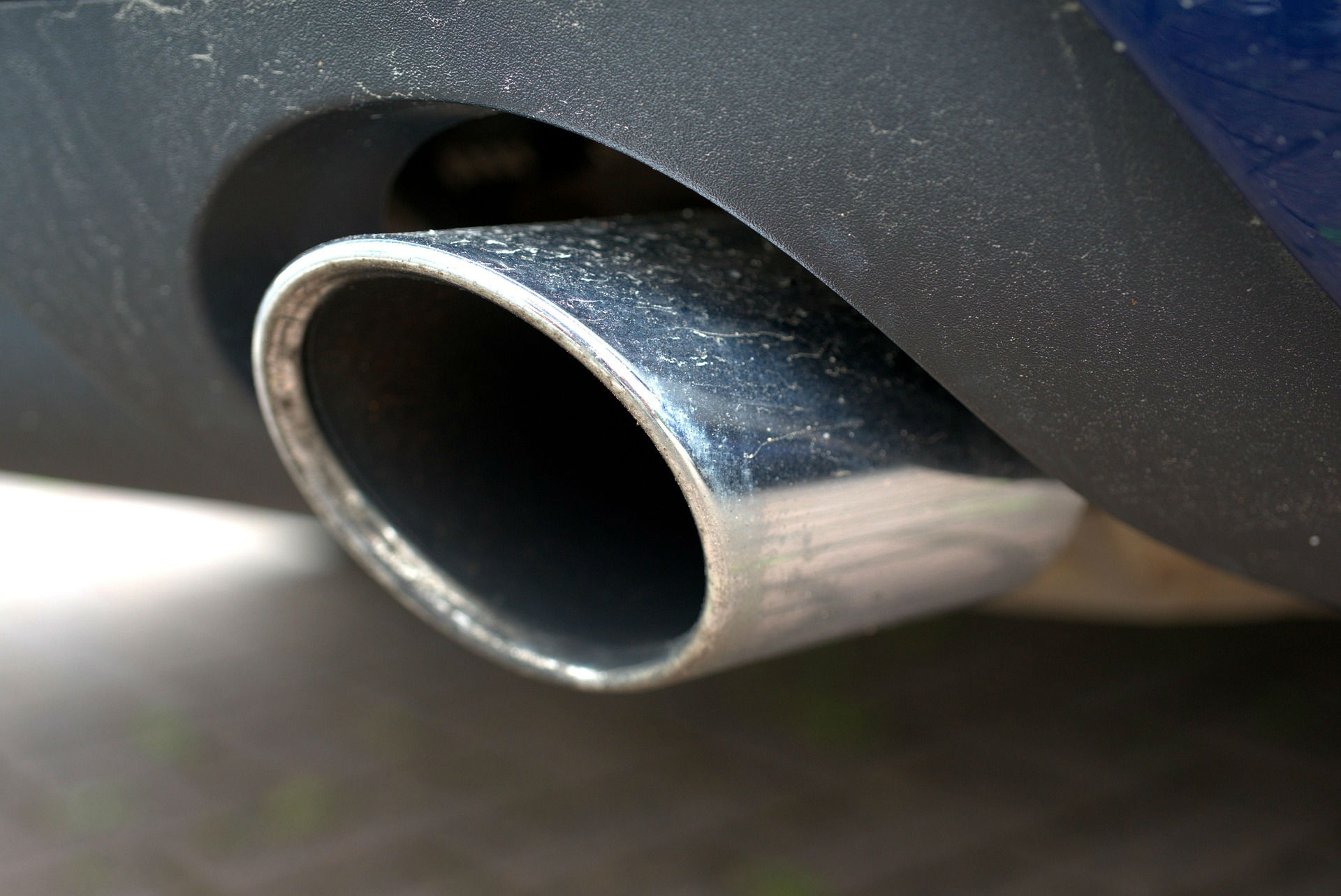
Considering that the U.S. emits nearly 7 billion metric tons of greenhouse gases yearly, every choice matters. With 29% of those emissions coming from the transportation sector, the type of fuel you put in your tank has a direct impact.
Renewable diesel’s cetane number scores between 60 and 65, while biodiesel is about 58.6. The higher number indicates faster ignition and cleaner combustion, making renewable diesel slightly more efficient.
Both fuels cut emissions compared to fossil diesel, but in different ways. Renewable diesel burns efficiently, works in pure form and comes from a broader range of feedstocks, including carbohydrates.
On the other hand, biodiesel produces less carbon dioxide, about 30 CO₂ equivalents per kilometer, versus renewable diesel’s 53.9. That advantage makes it attractive for reducing its climate impact, though it needs careful handling to avoid contamination and storage issues.
Which one is better for your vehicle? Renewable diesel stands out for efficiency, performance and compatibility. Biodiesel appeals if reducing emissions is your primary goal. Whether you choose renewable diesel or biodiesel, your fuel decision shapes how your car contributes to a lower-carbon future. The right choice may also depend on where you live and what’s available at your local stations.
Some regions support renewable diesel with subsidies and infrastructure, while others make biodiesel blends more accessible. Knowing the benefits and limitations of each helps you make a decision that aligns with your vehicle’s needs and your environmental priorities.
