
The enjoyment of riding a motorbike that comes from that unique sense of freedom and connection to the road that driving a car doesn’t quite match also comes with its share of known risks.
How you manage those risks shapes every ride you take. It’s not about eliminating danger, no journey on two wheels is entirely without risk, but about making thoughtful choices that keep you protected and in control.

Prioritise Protective Gear
Choosing the right gear is your best way to protect yourself against injury. Helmets are legally required, but since January 2024, all helmets sold in the UK must meet the tougher ECE 22.06 standard. This means better impact protection and a higher chance of keeping your head safe in the event of a fall or crash.
But it’s not just about helmets. Motorcyclist-specific jackets and trousers with CE-rated armour protect your elbows, shoulders, knees, and hips. While gloves with reinforced palms and boots that cover your ankles guard against cuts and fractures are important too. Even on short rides, wearing full protective gear can mean the difference between a minor scrape and a serious injury.
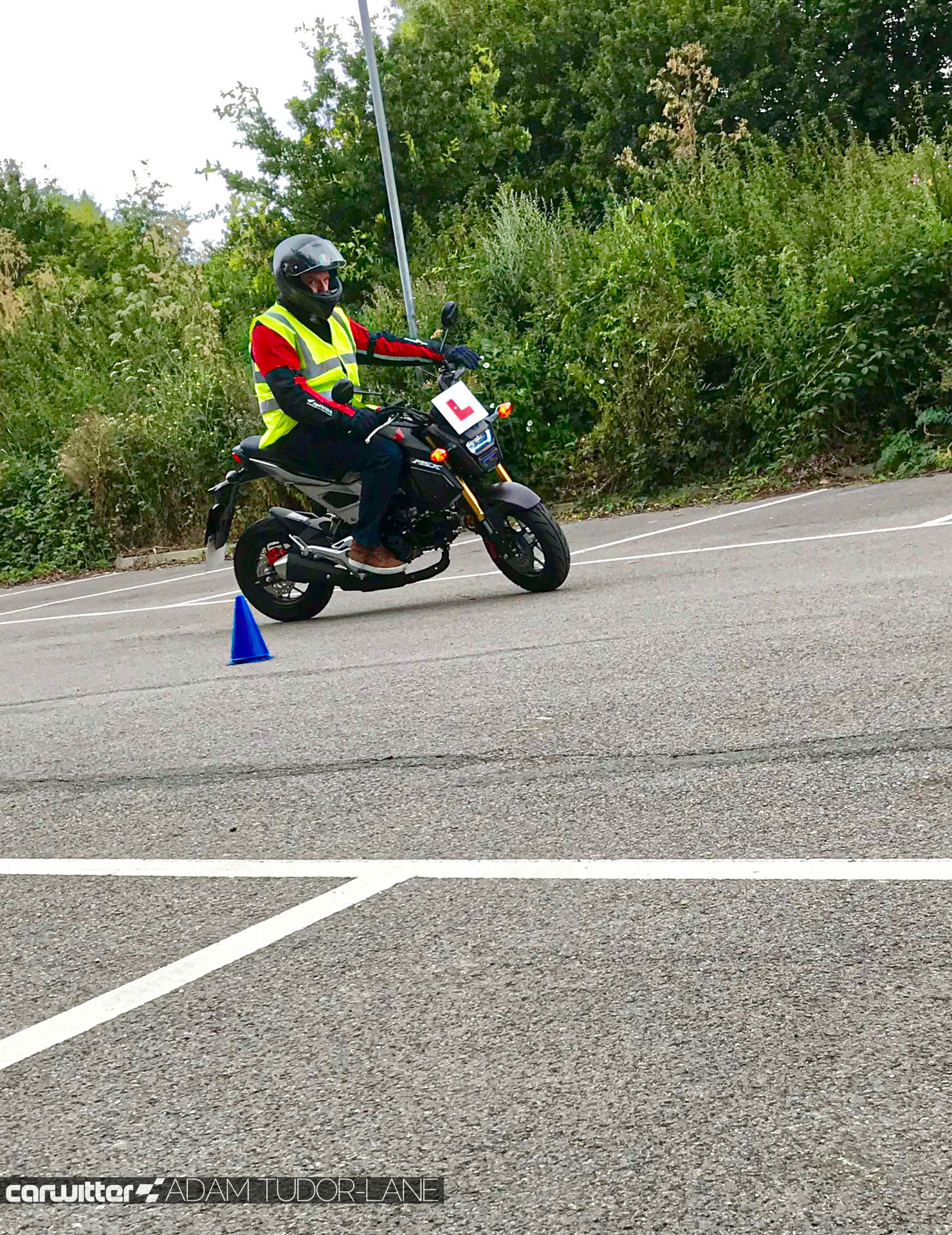
Undertake Comprehensive Rider Training
Getting on the road without proper training is like setting off on a hike without knowing the terrain. The Compulsory Basic Training (CBT) course gives you the foundation to ride legally and safely. However, it’s just the starting point.
Pursuing further training enhances your ability to spot hazards before they become problems and teaches you techniques to respond calmly and effectively. These more advanced courses that focus on recognising potential dangers well in advance, improving your cornering skills, and practising emergency braking in controlled environments are great.

Stay Informed About Road Hazards
Road conditions and environments vary widely, and staying alert to common hazards changes how you ride. In the UK, 67% of motorcycle accidents occur on rural roads where sharp bends and uneven surfaces pose particular threats. When you understand these risks, you adjust your speed and position on the road accordingly.
You’ll find that adapting your riding to the road conditions not only keeps you safer but also makes the experience more enjoyable and less stressful.

Understand the Importance of Insurance and Legal Support
No matter how careful you are, accidents can still happen. Being prepared with comprehensive insurance protects you from a significant financial burden if your bike is damaged or you face medical costs.
If you do get involved in an incident, knowing your rights and the process to follow can make a big difference. When you file motorcycle accident claims promptly and correctly, you can help ensure you get the support you need without unnecessary delays. Understanding the steps involved, from reporting the accident to gathering evidence and communicating with insurers, helps you navigate what can otherwise be a confusing experience.
