
How can you enjoy driving your classic car if it’s too noisy? Excessive wind, road noise and engine sounds can ruin the experience. Fortunately, DIY fixes and advanced deafening solutions can eliminate the unwanted clamor without compromising value.
Start with your door seals because they influence the water, air and noise entering and exiting your vehicle. If they’re flattening or showing cracks, it’s time for a repair. Experts say UV rays can break down the rubber, causing leaks and folding.
You can find a replacement seal for most makes and models, even classic cars. However, for authenticity and value, you should try to find OEM products or high-quality reproductions. Use the manufacturer’s instructions to guide the installation.
Besides noise, door seals protect your classic car from dust, moisture and extreme temperatures. Excessive cold and heat can impact your vehicle’s well-being.
Weather stripping is another simple option for noise reduction. While you may associate it with homes and storage buildings, this product also acts as a sound barrier for your vehicle.
The rubber material surrounding your doors, windows, trunk and windshield blocks noise and maintains interior temperature. However, exposure to the elements can make it brittle and cracked over time.
Check the weather stripping where the most noise is coming from. It may need a replacement, especially if its most recent service was a decade or longer ago.

If you’re short on time, grab deadening mats. These specialized sheets are made of asphalt, butyl rubber or foam composites, and they absorb vibrations and sound waves. The self-adhesive material can be placed on floors, doors and firewalls.
Deadening mats don’t take long to install — most require peeling and sticking onto the desired location. You may need basic tools like rollers and scissors to determine your material’s size and shape.
You may need to get creative if you’re unsure where the noise comes from. Start with the interior panels because trim pieces can amplify vibrations. Even tiny gaps can make the inside of your car much noisier.

Inspect the dashboard, door panels, center console and trunk lining until you find the source of loose panels. Tighten them with the appropriate fasteners.
Your best option depends on your make and model, though certain types of fasteners are better than others. For instance, self-tapping screws are a go-to choice for plastic, as their sharp threads drill into the material to create a tight, secure hold. Using fasteners with wide, shallow heads will also help to distribute pressure evenly.
Consider strong weather stripping materials like EPDM rubber and advanced foam composites for any parts exposed to the elements. This synthetic product is used for low-slope buildings, though manufacturers produce formidable solutions for cars.
Other types of automotive soundproofing include Butyl rubber mats, mass-loaded vinyl (MLV), Dynamat and constrained-layer damping (CLD) materials. Spray-on sound deadeners and closed-cell foam are also commonly used to quiet down a noisy interior. While it’s more common in pre-war antiques and older classics, rubberized hair is one last type of soundproofing for vehicles.

Another place you should check is the tires. While outside the cabin, these four rubber components could be noisy due to wear or improper inflation. If your tread design is aggressive, you could experience louder sounds.
Tire pressure is among the easiest fixes, so check the owner’s manual for the proper psi. Experts say 32 to 35 psi suits most vehicles, though some drivers go lower. Underinflation or overinflation can increase vibrations and make your drive uncomfortable.
Uneven tire wear could be the culprit, so regularly inspect the tread. If it seems irregular, you may have underlying suspension or alignment problems.
Unfortunately, some issues might not be easy to fix. For example, hearing a high-pitched whine inside the cabin could indicate suspension or driveshaft issues. Therefore, you may need specialized tools and expertise to solve these problems.
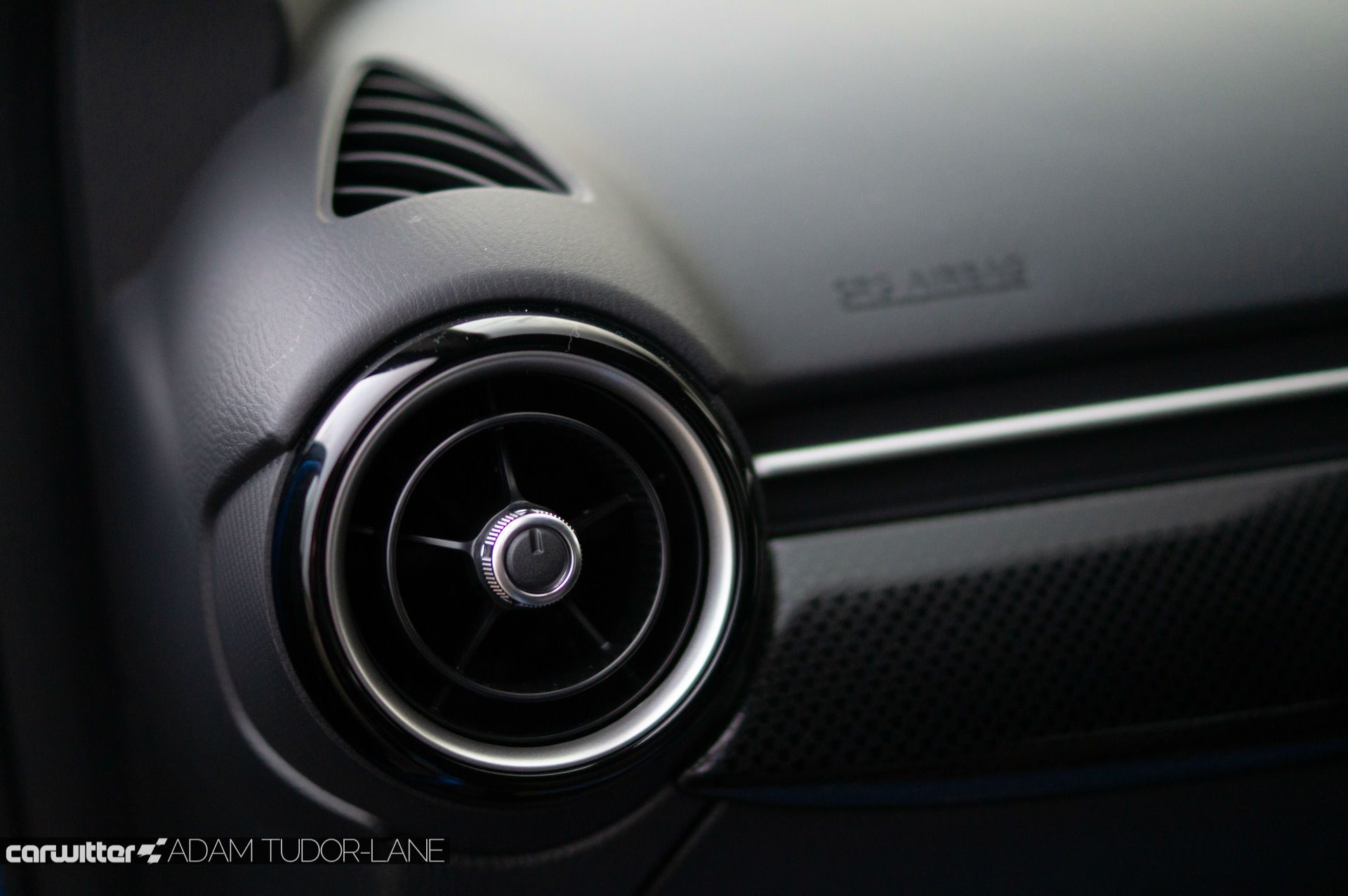
Another advanced problem under the hood could be the HVAC system’s rattling and whistling. These noisy issues are more noticeable when the air conditioner or heater is on. The fix could be as simple as a loose vent or a clogged air filter. However, it could be more serious if the blower assembly needs replacement.
Your cabin could also experience droning, rattling or hissing, which could be worrisome for the exhaust. This underlying mechanical issue could originate from leaks, rust or cracks in the system.
Start by tightening loose heat shields and bolts before moving to more serious fixes. Rust or damage could require a comprehensive replacement.
Your noisy interior could have multiple culprits, so thoroughness is essential. If unsure of the problem, consult a qualified technician before attempting repairs.
