
In a world where vehicles are not just modes of transportation but also symbols of our lifestyles and choices, deciding between a truck and a car can be daunting. Trucks are often associated with rugged functionality and power, while cars embody efficiency and comfort. However, the implications of choosing one over the other extend beyond mere aesthetics. Diving into the financial realities is essential to understand how it truly fits your needs.
Initial Purchase Price
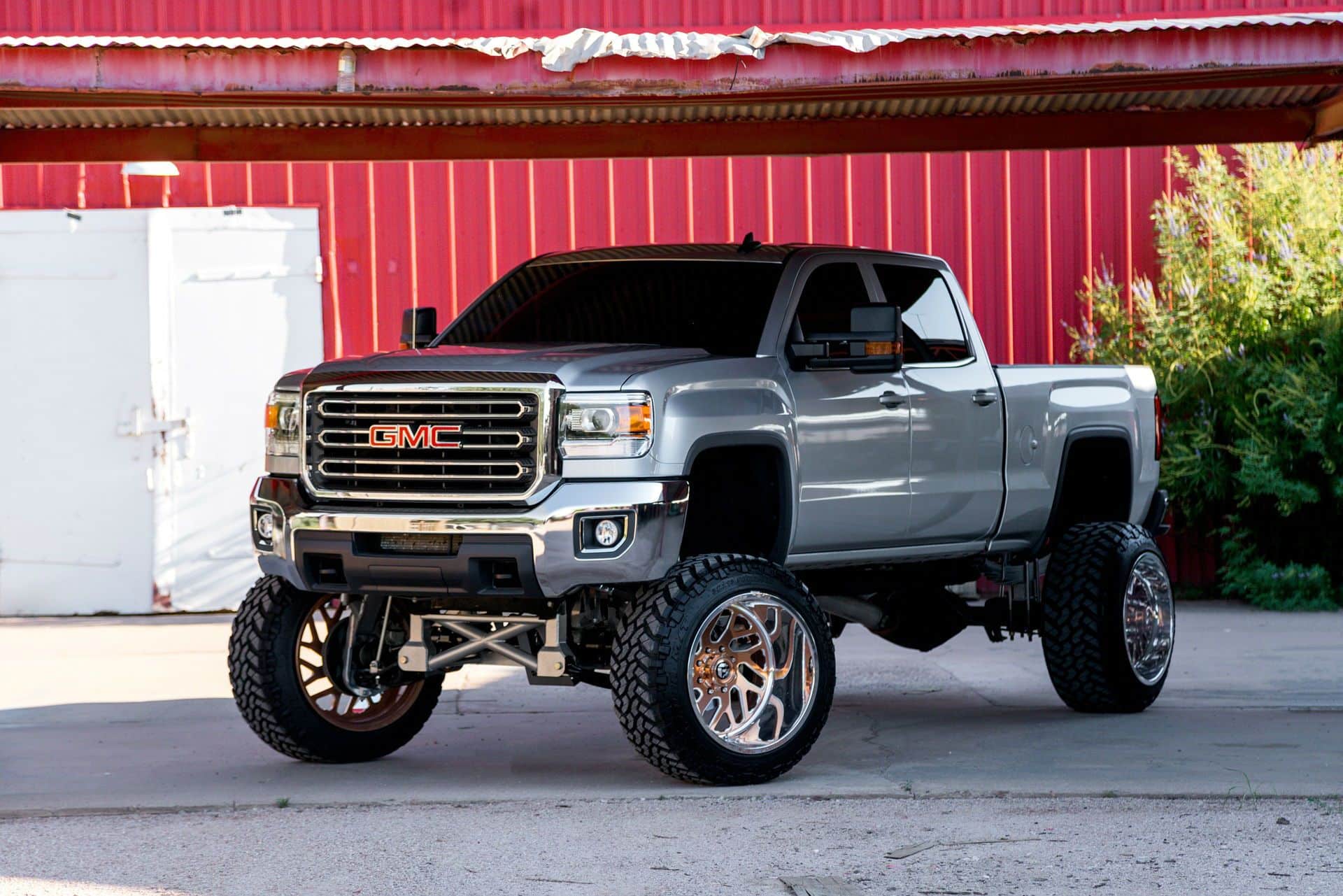
Generally, trucks come with a higher price tag due to their larger size, enhanced capabilities, and additional features. Depending on the make, model, and condition, a new truck can cost thousands more than a comparable sedan or compact car. Understanding your budget and potential financing options is vital to narrowing your choices.
Additionally, used trucks can often be found at competitive prices, but assessing their condition and reliability is crucial. Shopping at a used car dealership in Albany, NY, for instance, can provide more options, especially if you’re looking for a used truck for sale. Always consider the trade-offs between a used vehicle’s cost versus long-term dependability.
Fuel Efficiency
Fuel efficiency fluctuates significantly between trucks and cars, influencing long-term costs. Typically, cars are engineered to be more fuel-efficient, yielding significant savings at the gas pump. While modern trucks have made strides in efficiency with advanced technology, they commonly consume more fuel than their smaller counterparts. Calculating projected fuel expenses can provide a clearer picture of the overall cost.
Moreover, it’s essential to consider your driving habits and lifestyle when assessing efficiency. If you commute significant distances, a car might be more cost-effective in the long run. On the other hand, if you require a vehicle for towing and heavy-duty tasks, a truck’s fuel consumption may be justified by its utility. This leads directly to evaluating how often and in what manner the vehicle will be used.
Insurance Costs
Trucks, especially off-road models, typically have higher insurance premiums due to their size and the potential risks of driving them. In comparison, cars usually come with lower premiums, making them a more affordable option for first-time buyers or those on a budget. This difference in cost is an important factor to consider when choosing between the two.
It is advisable to obtain insurance quotes for both vehicle types before making a decision. Many insurance providers offer online calculators that allow you to compare the rates associated with different trucks and cars. Moreover, understanding how factors such as safety ratings and vehicle value affect insurance costs can help you make a well-informed decision.

Maintenance and Repair Expenses
Maintenance and repair costs are crucial in determining the affordability of owning a vehicle. Generally, trucks may have higher maintenance costs due to their more complex engineering and heavier-duty components. While they are designed to be robust and handle more wear and tear, parts can be pricier to replace when necessary.
Conversely, cars typically have lower maintenance costs, particularly if they belong to a popular model with readily available parts. Conducting thorough research beforehand can help approximate these potential expenses associated with each type of vehicle. Furthermore, considering factors such as warranty coverage can provide added financial security, particularly if you opt for a newer model.
The decision between a truck and a car encompasses many financial considerations beyond initial costs. By evaluating purchase price, fuel efficiency, insurance, and maintenance, you can make a decision that is aligned with your needs and budget.

