
Are you looking to enhance your Toyota LandCruiser 200 Series’ performance, boost its efficiency, or simply give it a new sound?
Choosing the right exhaust system is a crucial step toward achieving these goals.
The 200 Series exhaust systems come in various options, and picking the right one can make a significant difference in your vehicle’s performance and overall driving experience.
In this article, we will explore the considerations to keep in mind when selecting an exhaust system for your LandCruiser, ensuring you make an informed decision.
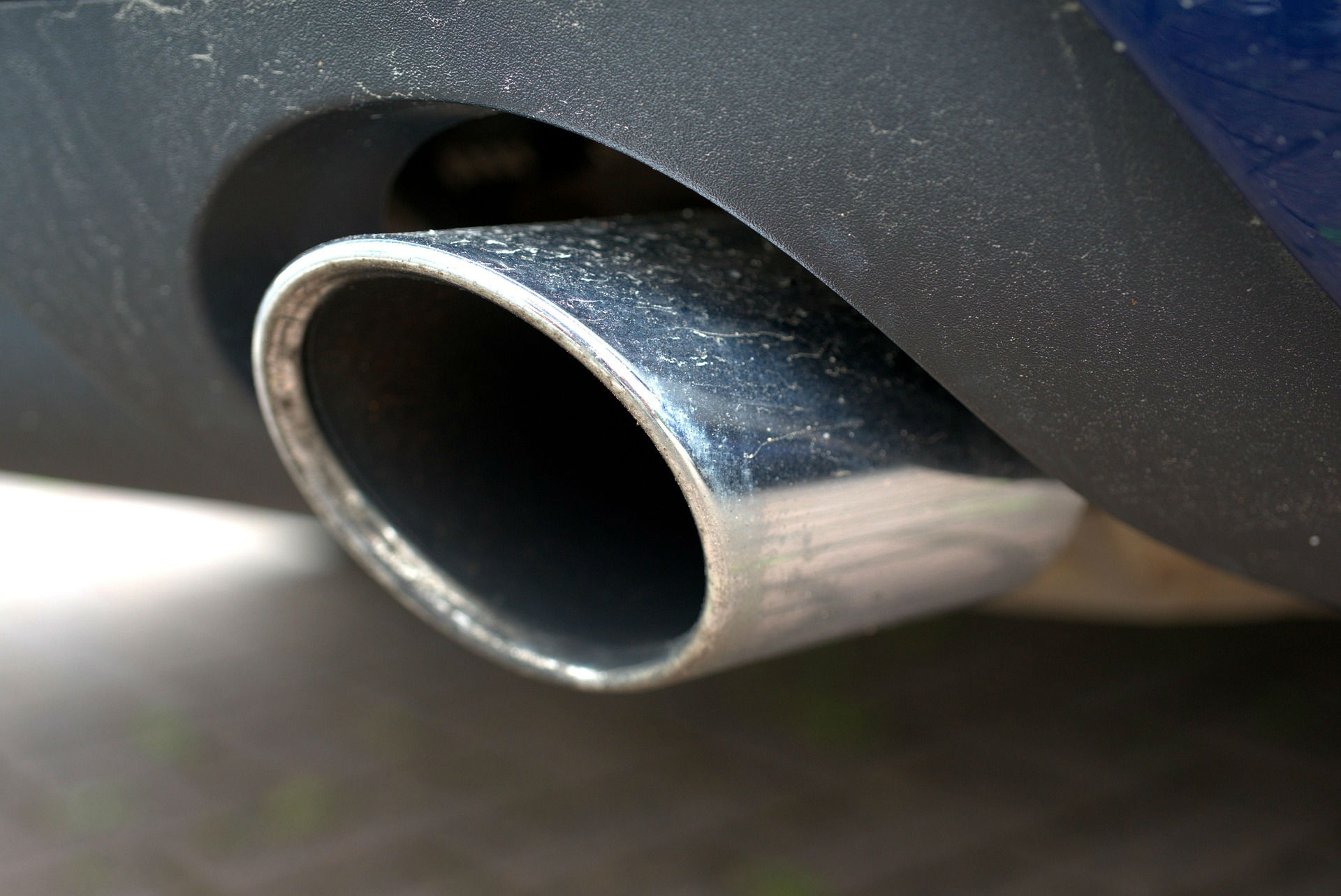
Understanding the Basics of Exhaust Systems
Every vehicle has a standard exhaust system, but stock systems are often designed to meet basic regulatory requirements rather than enhance performance.
Upgrading to an aftermarket exhaust system can increase your vehicle’s horsepower, improve fuel efficiency, and produce a more aggressive sound.
Before discussing your options, it’s essential to understand the basic components of an exhaust system and how they work together.
Components of an Exhaust System
- Exhaust Manifold:
This component is attached to the engine.
It collects exhaust gases from multiple cylinders into one pipe.
- Catalytic Converter:
Its primary role is to reduce harmful emissions before they exit the vehicle.
It converts pollutants into less harmful substances.
- Muffler:
Designed to reduce noise, the muffler alters the exhaust flow and muffles the engine sound.
- Tailpipe:
The final portion of the exhaust system.
It directs the exhaust gases out of the vehicle from the rear or side.
- Resonator:
Works with the muffler to further reduce sound and can fine-tune the exhaust tone.

Factors to Consider When Choosing an Exhaust
Performance Goals
Your primary consideration should be what you aim to achieve with your new exhaust system.
Are you after increased horsepower, improved torque, better fuel economy, or a particular sound?
Knowing your goals helps in narrowing down the options.
Material of the Exhaust System
Exhaust systems are generally made from three types of materials:
– Mild Steel:
It is often used in OEM systems, budget-friendly but prone to rust.
– Aluminized Steel:
More resistant to rust than mild steel but less durable compared to stainless steel.
– Stainless Steel:
Highly durable and resistant to corrosion, making it ideal for long-term performance.
Pay attention to the gauge or thickness of the exhaust pipes.
Thicker piping tends to last longer.
Diameter of Piping
The diameter of the exhaust pipes affects the flow of gases and overall performance.
Too narrow, and it can restrict flow, reducing performance gains.
Too wide, and it may decrease back pressure, resulting in a loss of torque.
Configuration
There are different configurations of exhaust systems, such as:
– Cat-back:
This system replaces the exhaust components from the catalytic converter back to the tailpipe.
– Axle-back:
Only replaces the exhaust system from the rear axle to the tailpipe.
– Header-back:
A comprehensive system replacing the entire exhaust from the headers back.
Consider what part of the exhaust system you want to replace, as this will determine the type of system you need.
Type of Finish
The finish of the exhaust can impact both aesthetics and functionality.
A polished finish may offer increased resistance to corrosion while giving your vehicle a sleek look.
Compatibility and Warranty
Ensure any exhaust system you consider is compatible with the Toyota LandCruiser 200 Series.
Check for compatibility with performance upgrades like lift kits or engine modifications.
Also, consider systems that come with a warranty for added peace of mind.

Benefits of Upgrading to a Better Exhaust System
Improved Performance
An efficient exhaust system can significantly improve engine performance.
It provides better air flow, which results in increased horsepower and torque.
Fuel Efficiency
Upgraded exhaust systems can enhance the engine’s efficiency, ultimately improving fuel economy.
This is achieved by reducing back pressure and increasing the engine’s breathing efficiency.
Sound and Aesthetics
One of the most popular reasons for upgrading an exhaust system is to obtain a different, often sportier, sound.
A good exhaust can also visually enhance your vehicle by adding a polished touch.
Durability and Longevity
Aftermarket exhaust systems, particularly those made from stainless steel, can last significantly longer than factory-fitted options.
Popular Exhaust Systems for the Toyota LandCruiser 200 Series
When choosing an exhaust system, it’s helpful to know some popular options available in the market.
Cat-back Exhaust Systems
These replace the exhaust system from the catalytic converter to the tailpipe.
They are popular for providing better flow and easy installation.
Axle-back Exhaust Systems
These systems only include components from the rear axle to the tailpipe.
They are less expensive and are primarily chosen for sound improvements.
Dual Exhaust Systems
Designed to increase performance and add a unique style to your LandCruiser.
They split the exhaust flow, enhancing ease for gases to escape.
Straight Pipe Exhaust Systems
Aimed at offering the least resistance for escaping gases.
They are generally louder and often used in racing applications.
Key Takeaways
Choosing the right exhaust system for your Toyota LandCruiser 200 Series involves understanding your performance goals, knowing the different materials and finishes available, and considering the configuration that suits your needs best.
How-to-Decide Checklist
– Determine Your Goals:
Establish what you want from your exhaust system.
– Material Choice:
Mild steel, aluminized steel, or stainless steel – pick based on durability needs.
– Piping Diameter and Configuration:
Ensure it suits your vehicle’s design and your driving needs.
– Consider Compatibility:
Make sure the exhaust choice aligns with your LandCruiser 200 Series.
– Check for Warranties:
Provides an extra layer of security and confidence in your purchase.
Conclusion
Upgrading your vehicle’s exhaust system is not just about making it sound better.
It’s also about enhancing performance, improving efficiency, and upgrading the vehicle’s aesthetics.
Take your time to consider the options and make the choice that best suits your driving needs.
