
The composition of road surfaces significantly influences vehicle drivability, affecting handling, fuel efficiency and overall safety. Understanding how different materials and conditions impact these factors is important for drivers.

Road composition influences traction, ride comfort, vehicle stability and safety. Smooth and well-maintained surfaces like asphalt and concrete offer better grip and control, improving handling and braking efficiency. In contrast, loose or uneven surfaces such as gravel, dirt and cobblestone can reduce traction, increase vibration, and accelerate tire and suspension wear.
The materials used in road construction also affect how vehicles respond to different weather conditions — wet asphalt may become slippery, while dirt roads can turn to mud, making navigation more difficult. Road conditions don’t just impact comfort — they directly affect vehicle performance and safety.
It’s important to work on safety strategies to improve drivability and avoid fatalities, which can be avoided by upgrading construction materials and maintaining roads. Poorly maintained roadways or uneven surfaces can also lead to increased tire wear, reduced fuel efficiency and mechanical damage over time.
Vehicles must work harder to maintain stability on these types of roads, putting extra strain on suspension systems and alignment. Understanding how conditions affect drivability can help drivers adjust their habits and ensure their vehicles stay in optimal shape.

Asphalt
Also known as bitumen — is a common material employed in road construction because of its smooth finish and affordability. It provides good traction under dry conditions, improving vehicles’ handling and braking capabilities.
However, asphalt can soften in high temperatures, leading to rutting, and may become slick when wet, increasing the risk of hydroplaning. Regular maintenance is essential to address issues like potholes and cracks, which can otherwise impair drivability and cause vehicle damage.
Concrete is a mixture of water, aggregate and cement. The ready availability of these materials makes concrete a popular choice, along with the fact that it can last 30 years or more if properly cared for.
It can maintain its form under heavy loads and is not susceptible to temperature fluctuations. This stability offers consistent drivability over time. It’s important to consider that concrete may provide less traction in wet conditions due to its smoother finish.
Gravel is another popular choice for roads. About 35% of the national road system in the U.S. consists of unpaved gravel made of stone, sand and fine-sized particles. These surfaces can present challenges for drivability, including reduced traction and increased risk of skidding, especially when driving at higher speeds.
The bumpy texture contributes to the faster deterioration of suspension systems and tires. Moreover, loose gravel can strike the undercarriage or body of the vehicle, leading to potential damage.+
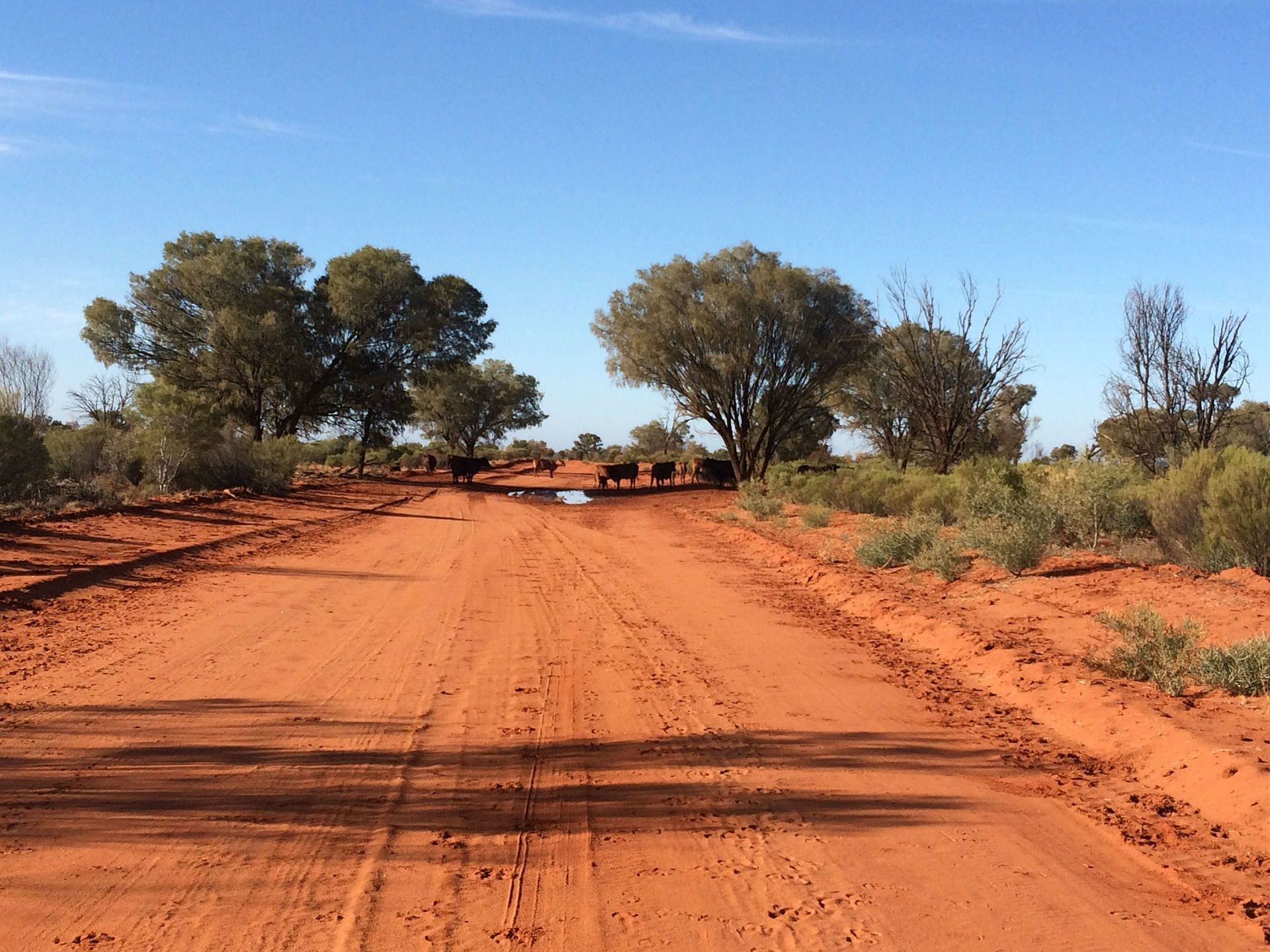
Dirt roads
Composed of natural soil without adding aggregates — present unique drivability challenges. These surfaces can become muddy and slippery when wet, drastically reducing traction and increasing the likelihood of getting stuck.
In dry conditions, dust can impair visibility and infiltrate vehicle components, potentially causing mechanical issues over time. The uneven and soft nature of dirt may also demand more from a vehicle’s suspension and can lead to increased maintenance needs.
Cobblestone roads are made of natural stone and are often found in historic areas. They are aesthetically pleasing and a landmark piece of the country’s history. However, they can affect drivability due to an uneven surface that may reduce tire grip and increase vibration.
This can lead to a less comfortable ride and potential wear on suspension components. Additionally, cobblestones can become particularly slippery when wet, presenting further challenges to vehicle control.
Unlike solid ground, sand moves under the pressure of a vehicle, diminishing traction and complicating acceleration, braking and steering. Vehicles can readily get stuck, particularly if they do not have four-wheel drive or suitable off-road tires.
Reducing the tire pressure can help improve traction by increasing surface contact with the sand. However, maintaining control requires steady speeds and careful maneuvering to avoid sudden stops or turns that can cause the vehicle to sink.

Icy roads
Icy roads can be dangerous to traverse, and over 70% of the nation’s roads are in snowy regions. Significantly reducing traction and increasing braking distances are two of the most important things to consider. Even slight amounts of ice can make it difficult for tires to grip the road, resulting in skidding and loss of control. Black ice — which is nearly invisible — is particularly risky because drivers may not realize its existence until it’s too late.
Vehicles equipped with winter tires or all-wheel drive perform better in icy conditions, but even these precautions require low speed and gentle braking to minimize risks. Road salt and sand are commonly used to improve traction, although their effectiveness varies depending on temperature and traffic conditions.
The composition of road surfaces plays an important role in vehicle drivability. Each material presents different advantages and challenges. Understanding these elements is important to adapt driving behaviors and maintenance practices to guarantee optimal performance and safety across various types of roads.
