
You’ve seen the videos. A driver brakes hard into a corner, blips the throttle with the side of their foot, and drops a gear without so much as a wobble from the car. Heel-and-toe downshifting may look effortless when someone else does it, but when you try it for the first time? The timing feels off, the revs spike too late, and the car twitches under braking in a way that tells you something isn’t right. It’s a frustrating experience, but an instructive one.
Here’s the thing most people get wrong: they assume the problem is their technique. Sometimes it is. But most often, the real issue is the pedals themselves. Factory pedal layouts were designed for commuting, not for spirited driving, and the spacing and height differences between the brake and throttle can make heel-and-toe physically awkward in many cars.
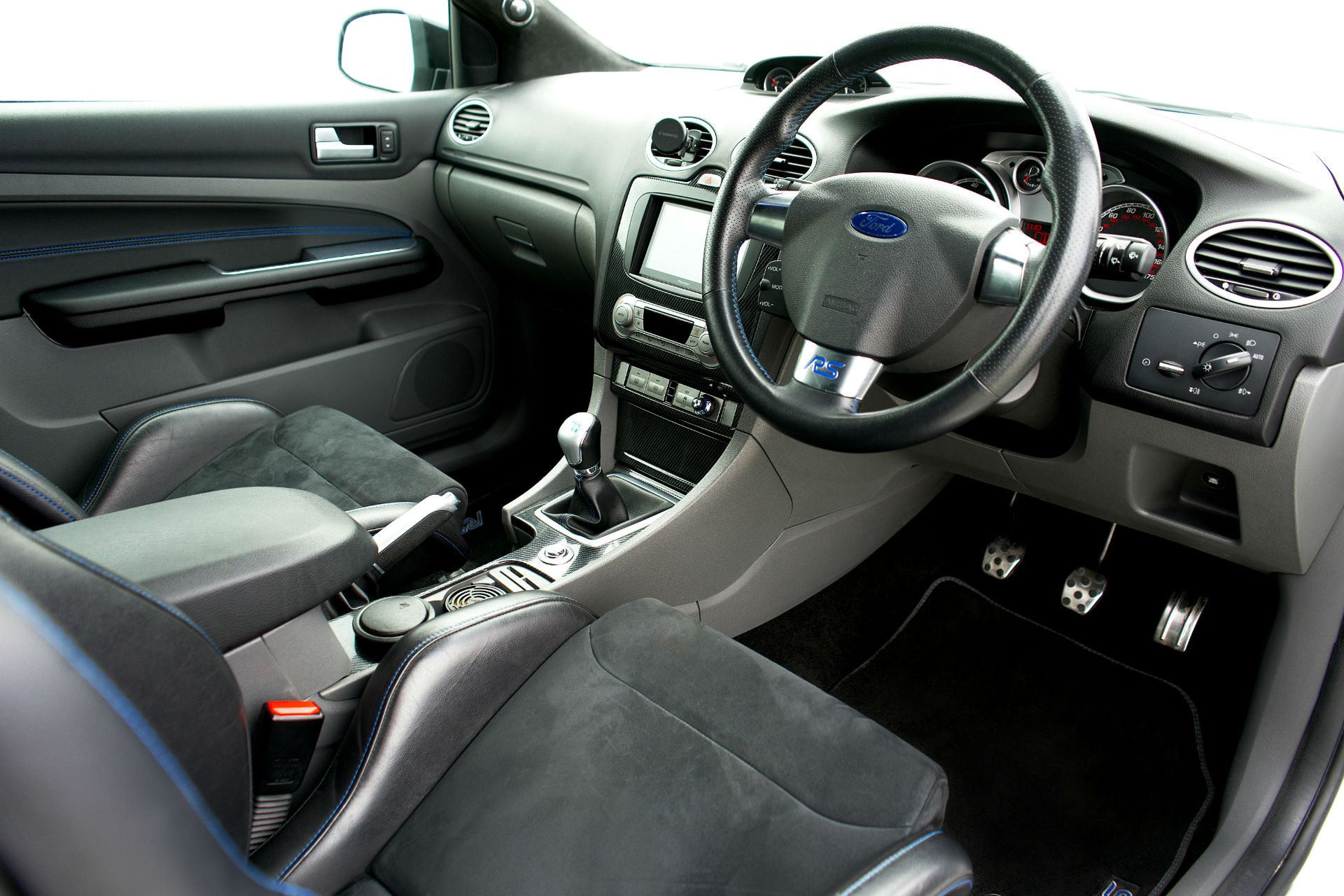
What Is Heel-and-Toe Downshifting?
Heel-and-toe is a technique where you brake with the ball of your foot while simultaneously blipping the throttle with the outside edge or side of your right foot during a downshift. Despite the name, which originates from pre-war cars where the throttle sat between the brake and clutch, it’s the side of the foot, not the heel, that does the work in most modern cars.
The goal is to match the engine speed to the lower gear before you release the clutch. Without the blip, dropping a gear mid-braking sends a jolt through the drivetrain, unsettling the car at exactly the moment you need it to be stable. At worst, it can induce snap oversteer under braking, a scenario no driver wants to manage at corner entry.
On a track, this matters because stability under braking directly affects how early and how confidently you can turn in. On the road, it simply makes driving a manual gearbox feel smoother and more connected. Once you have the knack, going back to unmatched downshifts feels clumsy.

Why Factory Pedals Make It Harder Than It Should Be
The Offset Problem
Most production cars position the throttle pedal significantly lower and further back than the brake. This makes sense for normal driving: you don’t want to accidentally hit the throttle while braking. But for heel-and-toe, you need the pedal faces to be at roughly the same height when the brake is fully depressed under load, so your foot can pivot between them without lifting off the brake. If the throttle sits well below the brake at that point, your ankle has to perform a contortion that most people simply cannot sustain consistently under braking pressure.
Throttle Pedal Design and Feel
The type of throttle pedal mounting also matters significantly. Top-hinged or suspended throttle pedals (common on many performance cars) are a particular problem. As you press them, the pedal face drops away from your foot rather than staying in contact. Floor-hinged pedals, by contrast, tend to sit naturally closer to the brake and often make heel-and-toe more achievable. Many Japanese performance cars (Hondas and early Subarus in particular) use top-hinged setups that enthusiasts have long noted are challenging for this technique.
Drivers who are serious about their technique often look at after market racing pedal boxes to solve both the height and spacing issues in one go, replacing the factory assembly with a purpose-built unit that puts all three pedals exactly where they need to be.

Fixing the Problem Without Rebuilding the Footwell
Footwear First
Before spending money on hardware, it’s worth considering your boots. Thin-soled race boots make an immediate difference to pedal feel, reducing the risk of your foot rolling off the brake mid-blip and giving you a much clearer sense of pedal position. Race and Rally carries a full range of driving footwear to suit everyone from clubman competitors to those running at international level.
Pedal Spacers and Extensions
A bolt-on throttle pedal spacer is often the first port of call. These aluminium plates raise the throttle pedal face, bringing it closer to the brake under load. They make an immediate difference and require no permanent modification to the car. The limitation is that they address height only, if the throttle is also laterally too far from the brake, a spacer alone won’t solve everything.
Aftermarket Pedal Boxes and Full Assemblies
For a proper solution, a full pedal box replacement gives you adjustable pedal ratios, consistent spacing, and a firmer feel under braking. These are standard in rally and circuit cars for a reason: the driver can set brake bias, pedal travel, and height to suit their driving style and shoe size. Specialists like Race and Rally carry a range of pedal box assemblies from manufacturers like OBP and Tilton, designed for both dedicated track cars and road-legal builds where the factory setup simply doesn’t cut it.
Small Changes, Big Difference
Heel-and-toe is not a technique reserved for racing drivers. Any manual gearbox enthusiast can learn it, and the difference in driving smoothness is immediately noticeable. But the technique only works properly when the pedals cooperate. If your factory layout makes it physically awkward, no amount of practice will fix what is fundamentally a hardware problem.
Whether you start with a £25 throttle spacer or go straight to a full pedal box assembly, getting the pedal geometry right is one of the most satisfying modifications you can make. It costs less than a set of tyres and changes the way every single drive feels.
