
Car accidents can cause substantial damage not just to any humans and animals that are involved, as well as structures, but also to vehicles. Damage can vary significantly in severity depending on the type and force of the impact. The car’s size, make, model, and condition beforehand can also make a difference.
This guide will discuss common areas of damage to vehicles involved in some type of crash and offer tips and next steps for getting your car repaired.

Front Bumper and Grille
In head-on collisions, the front bumper and grille often bear the brunt of the impact. They act as the first line of defense, protecting the engine and other vital components. Damage here can range from minor dents and scratches to severe shattering.
Hood and Trunk
The hood and trunk are also vulnerable in front-end and rear-end collisions, respectively. Significant impact can cause them to crumple or become misaligned, making it difficult or impossible to open or close them properly.
Fenders
Fenders, designed to protect the wheel wells, are susceptible to damage in side impacts and wide-angle collisions. They can become dented, scratched, or crumpled, impacting the overall functionality and aesthetics of the vehicle.
Doors
In side-impact or T-bone collisions, the doors often sustain significant damage. This can affect their ability to open and close correctly, thus posing safety risks.
Windshield and Windows
Glass, including the windshield and windows, can easily shatter or crack during an accident. Besides being a safety hazard, damaged glass can also impair visibility, making driving unsafe.
Wheels and Tires
Wheels and tires can be damaged in virtually any type of accident. Damage may include bent rims, punctured tires, or misalignment. In some cases, the suspension system might also be affected.
Lights
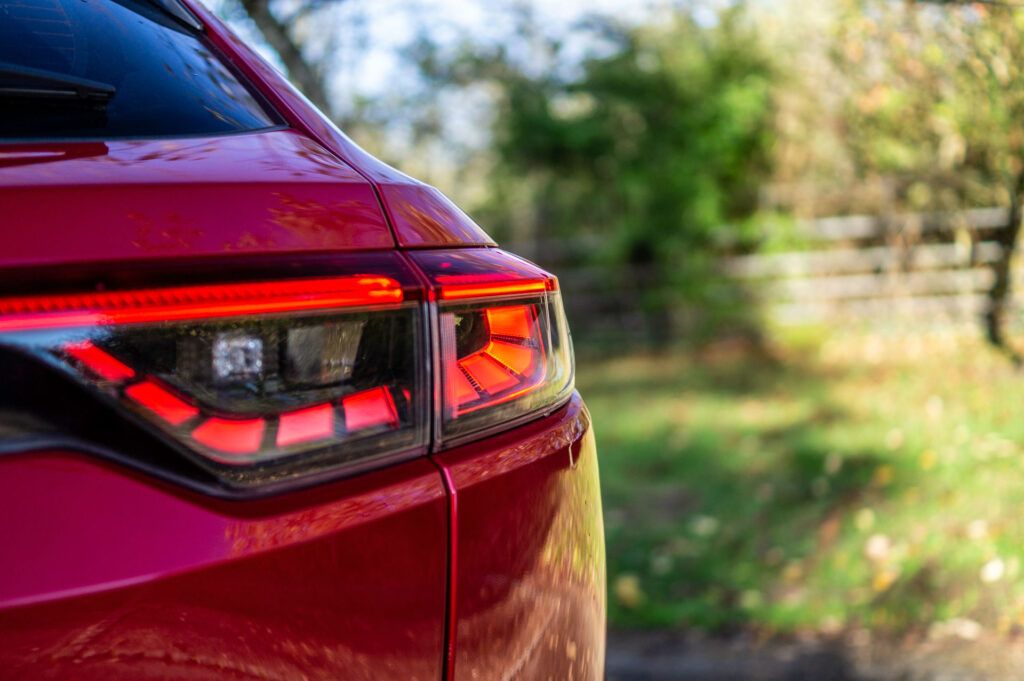
Headlights, taillights, and indicators are often casualties in accidents. Any damage to these components is a safety concern, as they’re critical for visibility and communication on the road.
Engine and Transmission
While they’re somewhat shielded, the engine and transmission can still sustain damage, especially in severe front-end collisions. This can lead to significant performance issues and expensive repairs.
Frame
The frame of your vehicle provides structural support and integrity. In a high-impact collision, the frame may be bent or twisted, which can lead to serious safety concerns and costly repairs.
Radiator and Cooling System
In front-end collisions, the radiator and cooling system can be damaged, leading to issues like overheating.

Tips for Getting Your Car Repaired
Post-accident, have your vehicle thoroughly inspected by a professional to assess the damage. Some issues might not be immediately visible. You’ll also want to notify your insurance company as soon as possible. They’ll guide you through their claims process. Remember, the extent of coverage will depend on your specific policy.
Obtain repair estimates from a few different repair shops. This will give you a fair idea of the repair costs. Always choose a repair shop that employs certified professionals trained in the latest repair techniques and safety standards. Also, ask for OEM (Original Equipment Manufacturer) parts. These are designed to fit and function exactly like the original parts, ensuring optimal performance and safety.
DIY Repairs
Note, too, that while it’s always recommended to get professional help for significant damage, minor repairs after a car accident can often be done by the car owner, provided they have the necessary skills, knowledge, and tools. If you want to handle some repairs yourself, ensure you have some quality hand tools available and stop and get help if you struggle with completing a particular job.
Acquiring high-quality rеplacеmеnt componеnts and choosing еstablishеd and authеntic manufacturеrs and suppliеrs likе Mammoth Pеrformancе Brand Storе holds significant importance. Although thеy may comе with a slightly highеr pricе, thеy arе craftеd to prеcisеly match your vеhiclе’s spеcifications, еnsuring a lеvеl of dеpеndability and pеrformancе that aftеrmarkеt options may not dеlivеr. Kееp in mind, that thе objеctivе is to rеturn your vеhiclе to its prе-accidеnt condition, so skimping on parts could rеsult in additional complications in thе future.
Some of the tasks you may want to tackle include handling minor dents and scratches, fixing small chips or cracks in the windshield (check out windshield repair kits for help with this), and the replacement of lights such as indicator, tail, or headlights. You can usually purchase complete light units from auto parts stores if needed, or pick up replacement bulbs, too.
Also, some cosmetic parts like side mirrors, grilles, or wheel covers can be replaced at home. Most of these parts are bolt-on components, and the process involves simple removal of the damaged part and installing the new one. Plus, for minor bumper damage, you may be able to perform the repair yourself using a bumper repair kit.
However, while DIY car repairs can save money, important considerations must be remembered. For example, keep safety top of mind. Some repairs might seem simple but can be dangerous without proper training. If you’re uncertain about a repair, leaving it to professionals is safer.
You also need to be sure you’re correctly identifying the problem and not missing serious underlying damage. Plus, you must handle repairs professionally so as not to affect your car’s resale value. Doing repairs yourself may also have implications for your insurance coverage. Check with your insurance provider before starting any DIY work after a car accident.
Car accidents can and often do cause extensive and varied damage. It’s crucial to have a comprehensive assessment of your vehicle after a crash to identify all areas of damage and ensure proper repairs. By doing so, you can maintain the safety and performance of your vehicle.
