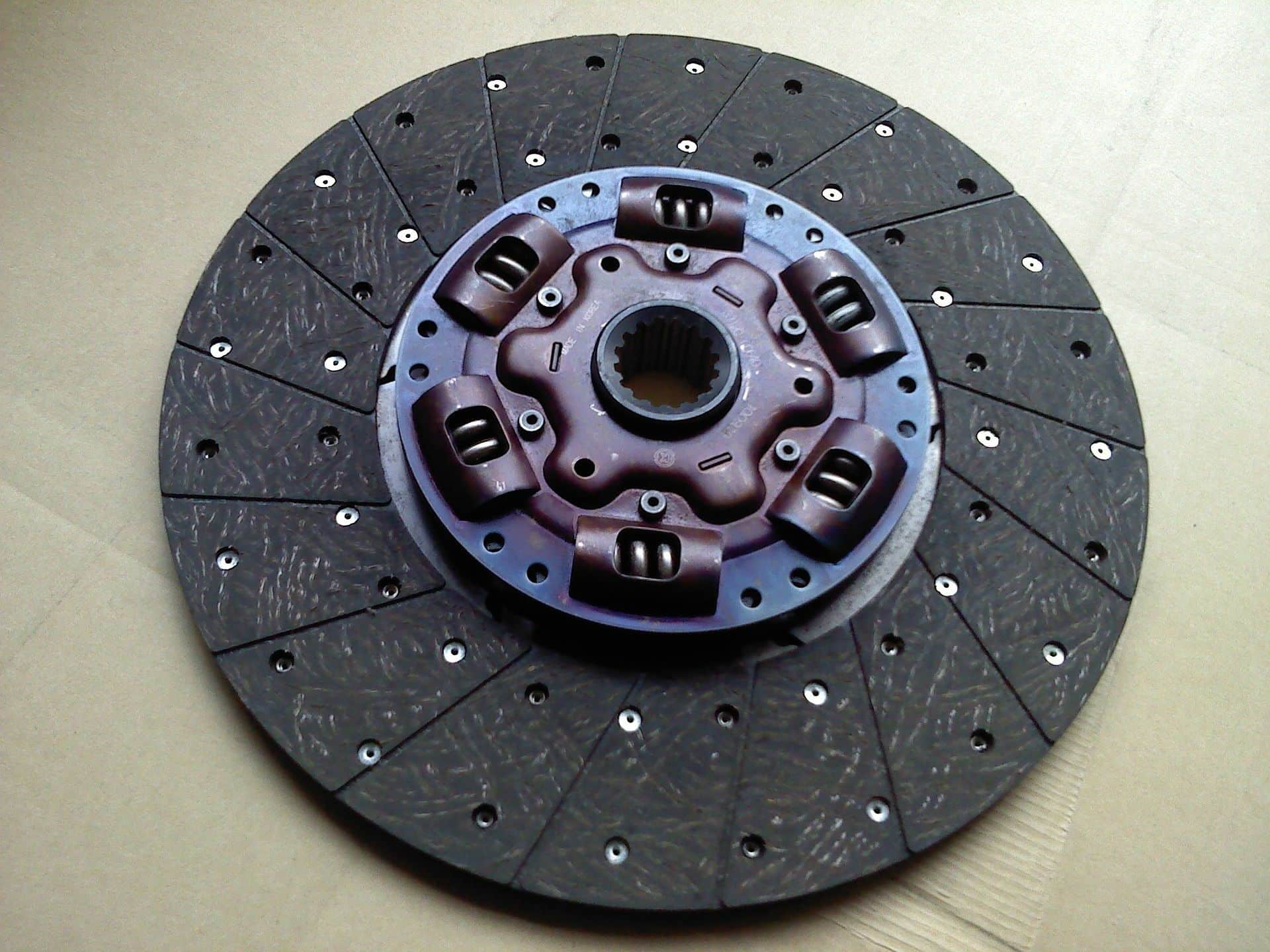
When it comes to car parts, there are two ways to go, aftermarket or OEM. If the make and model are popular, there’s likely to be a far greater choice in the aftermarket community. Parts can often be cheaper and much higher quality than the originals.

Aftermarket parts
Aftermarket parts are not manufactured or sourced by the automaker but are designed to be functionally equivalent and often available at a lower price than OEM. In fact, many aftermarket parts are designed to perform better than original parts.
OEM parts
OEM is very similar to OE in that it stands for Original Equipment Manufacturer. While this sounds like a semantics lesson, there are some notable differences.
OEM parts are primarily manufactured by a company that produces original parts for the car manufacturer but whose parts were not originally installed.
Confused? I don’t blame you, so here’s an example:
Delphi makes ignition coils for BMW, and they are installed in the vehicle at the factory. Bosch makes spark plugs for BMW and has a license to make the same ignition coils as Delphi does. They are the same part with the same specifications and made of the same material, but from different manufacturers. Delphi is an OE part because BMW uses it at the factory, and Bosch is an OEM because they make other OE parts for BMW.
So we make a distinction between OE and aftermarket, but there is another confusing term called “OE quality”. OE Quality is a certificate of quality assurance given to aftermarket manufacturers stating that “the company produces parts that meet or exceed original factory quality.” Note that “OE Quality” and “OE” are not the same thing. A European regulation states that fitting OE-quality certified parts to a vehicle should not void the vehicle’s warranty.
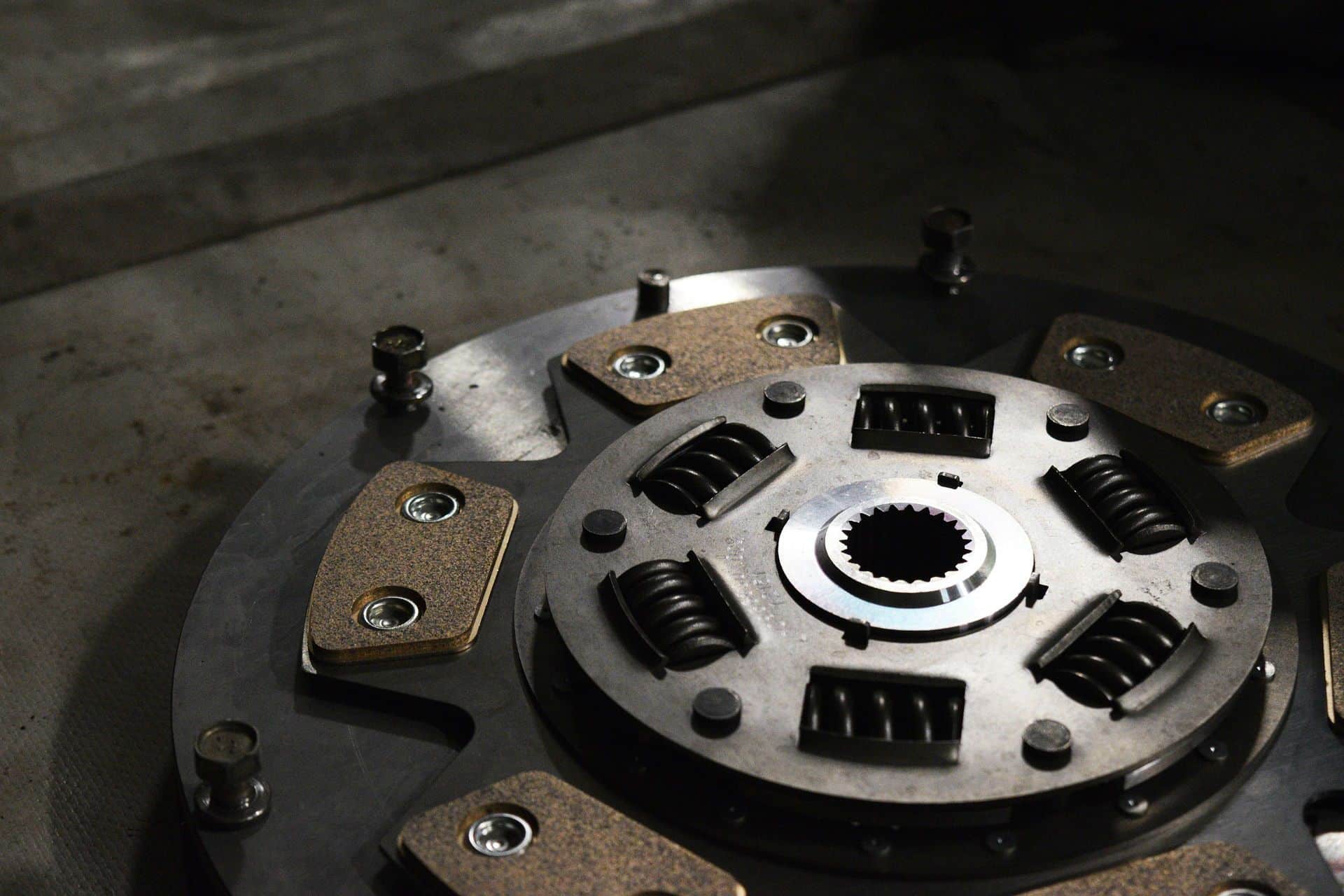
More variety
Depending on the make and model, you can find way more options for personalisation or upgrades over the original model. Take, for instance, the Ford Ranger; there’s a huge aftermarket manufacturing base that supplies new and upgraded parts to customise and improve Ford’s original design.
The same goes for Ferrari. Companies like Scuderia car parts have various Ferrari tuning parts to improve the performance of the prancing horses from Maranello. But, again, aftermarket gives you options that aren’t available from the factory.
Cheaper
Most aftermarket producers are online retailers, so they save you time and money as they aren’t paying for costly dealerships or local physical stores. You can also freely compare prices from different retailers from the comfort of your sofa. Now, with the proliferation of online stores, you might be confused as to which of them are legitimate, but companies such as Parts Geek are one of the cheapest U.S. parts retailers out there, and they offer free shipping on all orders.
So if you’re looking to save a few bucks, they’re hard to beat. Be sure to check your part number. Luckily, they have an easy-to-use vehicle selector to ensure you get the correct part.

Better quality control
The quality of OEM parts is guaranteed due to the rigorous testing manufacturers use to develop these parts. The level of quality control is what makes them great. They know it “fits” and “works well”. Some owners prefer cars that have been serviced with OEM components, regardless of cost. As long as it’s an OEM, they’ll wait even if the parts aren’t there yet.
Genuine parts tend to be the most expensive of the three options. However, improved quality has the potential to lower overall costs in the long run, as they guarantee that the performance levels of the original parts will be maintained. When evaluating whether a genuine part is right for your needs, it’s worth comparing it with similar aftermarket parts to see if the premium in quality and longevity is worth it.
Known quality and design
Many aftermarket parts companies even specialise in fixing widespread problems or faults on specific makes and models. For example, X8R is a UK company that develops kits and fixes for various problems in older vehicles.
They make a Nissan Qashqai boot handle repair kit, as they’re known to break. And we’ve also used them on the Project 106 GTi to fix the gear linkages. Their aftermarket items come with clips to secure the linkages in place, which the originals didn’t have…so they often just popped off.
Depend on original manufacturer for parts availability
Because other companies make auto parts besides automakers and OEMs, you have more variants to choose from when browsing for aftermarket components. If you don’t know what to look for, you may be overwhelmed by all the options, especially if you aren’t mechanically savvy. It’s best to seek the help of a professional mechanic or do some further research yourself.
Since we usually don’t know which company made the original part, OE parts are usually purchased from a dealer. Unfortunately, dealerships are expensive, and you can buy auto parts cheaper from various other auto dealerships and online stores that sell auto parts, like eBay Motors or Autodoc.