
You’re staring at a repair estimate, and the dealership just quoted you double what a local shop charges. The difference? Aftermarket parts. So you’re left wondering whether cutting costs means cutting corners.
Here’s the thing: not all aftermarket parts are created equal. Some rival the quality of what came with your car. Others fall apart within months. If you drive a Chevy, you’ve probably noticed the price gap between genuine Chevrolet parts and third-party alternatives at your local auto parts store. That gap exists for a reason, but it doesn’t always mean the pricier option is worth it.
What Aftermarket Actually Means
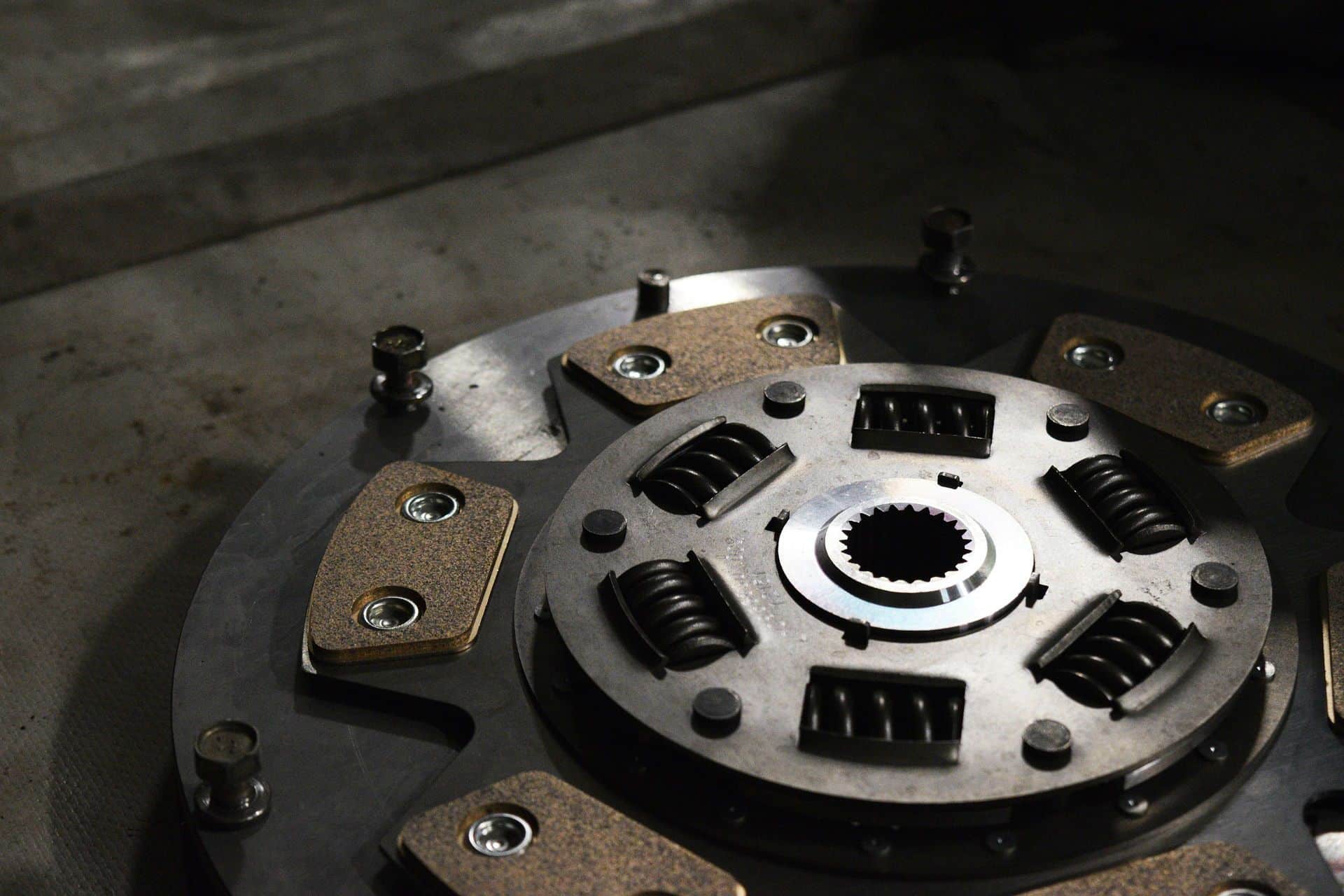
Aftermarket parts are made by companies other than your car’s original manufacturer. They’re not knockoffs. Many come from reputable manufacturers who supply parts to multiple brands. You’ll find everything from brake pads to alternators to body panels in the aftermarket world.
Quality varies wildly, though. A premium aftermarket brand might exceed OEM standards. A bargain-bin version might not.
The Case For Going Aftermarket
You’ll save money. That’s the biggest draw, and it’s not a small one.
- Prices often run 20-50% lower than OEM parts
- You get more brand choices, which means more price points
- Availability tends to be better, especially for older vehicles
- Some aftermarket parts actually improve on the original design
Your wallet will thank you, especially on big-ticket repairs like transmissions or full brake systems. If your car is older and you’re not chasing resale value, aftermarket makes even more sense.
Where It Gets Risky
You won’t always know what you’re getting. Quality control differs between manufacturers, and cheaper doesn’t always mean equal.
Warranty issues can pop up too. Some dealerships push back if aftermarket parts are involved in a repair, even when they shouldn’t legally deny coverage for unrelated issues. Fit can also be inconsistent. A part that’s “compatible” isn’t always a perfect match, and that matters for things like body panels or electronic components.
Safety-critical parts deserve extra scrutiny. Brakes, airbags, and steering components aren’t where you want to gamble on the cheapest option you can find.
When Genuine Parts Make More Sense
Sometimes OEM is the smarter call. Think about it this way:
Your car is still under warranty. Using non-OEM parts, in some cases, could complicate warranty claims down the line.
You’re dealing with something safety-critical. Airbags, seatbelts, and braking systems are worth the premium.
You plan to sell soon. Buyers and inspectors sometimes favor OEM history, and it can simplify negotiations.
The part is highly specific. Complex electronics or precisely engineered components often don’t have great aftermarket equivalents yet.
How To Decide
Ask yourself a few questions before you commit.
- What’s the part actually for? Cosmetic and low-stakes parts are safer bets for aftermarket.
- Who makes it? Stick to established manufacturers with a track record, not the cheapest listing you can find.
- What’s your car’s age and value? Older, higher-mileage cars often don’t justify OEM prices.
- Does your mechanic trust the brand? A good shop will steer you toward reliable options.
You don’t have to pick one lane forever. Plenty of car owners mix and match, using aftermarket for routine maintenance items and sticking with OEM for anything safety-related or highly specialized.

Weighing It Up
Aftermarket parts aren’t inherently bad, and OEM parts aren’t automatically better. It comes down to research, the part in question, and how much risk you’re comfortable taking on. Do your homework, read reviews, and talk to a mechanic you trust before you decide. Your car—and your budget—will benefit either way.
