
Modern vehicles come with many tools meant to help us drive. You might have a car that stays in its lane or brakes when it gets too close to a curb. These features feel like magic and make long trips feel less tiring.
Drivers often feel like they can relax since the car is doing some of the work. This shift in how we drive brings up new legal problems. If a car hits something while a computer is helping, people need to know who is responsible.

Understanding Advanced Driver Assistance Systems
Most of these features fall under the name of advanced driver assistance systems. They use a network of cameras and radars to watch the world around the vehicle. Some systems can steer the car on the highway or park it in a tight spot.
People often call these cars self-driving, but that name is often misleading. The car still needs a human to pay attention and take over at any second. These tools are meant to be helpers rather than pilots. They can fail if the sun is too bright or if road markings are faded.
Seeking Legal Advice After An Accident
Crashes involving high-tech cars are hard to figure out on your own. As you look for answers, whether you get car accident representation by Moore Law or a different law firm, having a legal team is helpful. They can help figure out if a system failed or if a person made a mistake.
Attorneys look at sensor data and camera footage to build a strong case. This help is often needed since insurance companies might try to blame the tech instead of paying out a $50,000 claim. Having an expert on your side makes the process much smoother.
Legal Responsibility At Lower Levels
Legal experts spend a lot of time looking at how these systems change fault in a crash. Many scholars look at the level of automation to decide who is to blame. A recent report noted that for Level 2 systems and lower, the driver is still the one who is mainly liable.
The driver is the captain of the ship and must keep control of the wheel. Should the car make a mistake, the human should have seen it coming. Courts usually hold the person behind the wheel accountable for any damages that occur on the road.
The Reality Of Partial Automation
We sometimes believe these systems are ready to take over our daily commute. Safety groups have looked at how well these features actually protect people. A major safety research group stated that partial automation is really just a convenience feature like power windows.
It is not a safety technology that stops accidents from happening every time. These tools make driving more comfortable, but they do not replace a pair of focused eyes. Relying on them too much can lead to dangerous mistakes.
Demanding Better Industry Safety Standards
Road safety groups want to see big changes in how these systems work. They push for better braking systems that can detect small objects like bikes. An advocacy group called for fast compliance with new automatic braking standards to help save lives.
Better tech could make a huge difference for people walking or riding near traffic. Current systems often miss things that a human eye would see easily.
Improving these standards is the only way to make the roads truly safer for everyone. We need tech that works in all weather and light conditions.
Tips For Staying Safe With Assistive Tech
Drivers should follow a few simple rules to stay safe as they use these features. These steps help keep the focus where it belongs.
- Keep your hands on the steering wheel at all times.
- Read the vehicle manual to see what the sensors cannot detect.
- Clean the cameras and sensors often to keep them working well.
- Watch the road even if the car says it is in control.
- Be ready to brake manually if the car does not slow down fast enough.
Using these tips helps prevent the confusion that leads to legal battles later. It is better to be safe than to rely on a computer. Humans are still the best line of defense on the road.
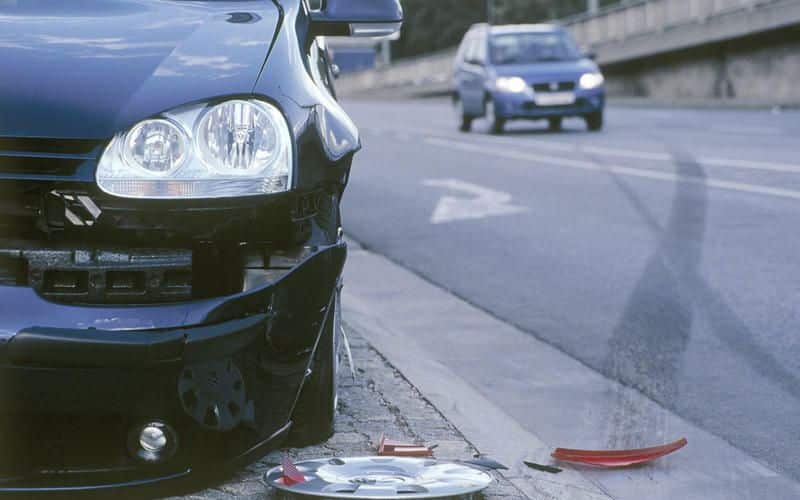
How Liability Could Shift In The Future
As cars become more independent, the way we look at fault might change. Some people think manufacturers will eventually take more responsibility for crashes. If a car is fully driving itself, the human inside is just a passenger.
For now, we are stuck in a middle ground where the human is still the primary driver. Laws are trying to catch up with the pace of new inventions.
Until the car is truly doing all the work, the person in the seat stays responsible. Staying alert is the best way to avoid a legal mess.
Technology is a great tool, but it is not a perfect shield. Drivers must remember that they are the ones in control of the vehicle.
Keeping your eyes on the traffic is the only way to stay safe. Every trip requires full attention to prevent a collision. Staying informed about your car helps you stay out of trouble on the road.
