
Sustainable transport is playing outside its lane. Electric sedans may dominate headlines, but some of the most interesting progress happens in quieter corners of the industry. These vehicles challenge what efficiency, design and practicality can look like in real life.
These examples stand out for different reasons, including performance, materials, accessibility, purpose-built design and what they reveal about where mobility is heading. Sustainable motoring comes in many forms.
1. Tesla Model S: Longer Range per Charge
The Model S proved that electric vehicles (EVs) could compete at the highest level. It combined long range with strong acceleration and a premium driving experience at a time when many still saw EVs as limited. It delivers 410 miles on a standard charge and goes from zero to 60 mph in 1.99 seconds. The assisted drive feature ensures optimal power use and route planning to reduce recharging time.
Its impact goes beyond specs and reshaped expectations. Drivers now see sustainability as an investment in the planet and their pocket, and automakers integrate electric performance as a benchmark within many vehicle designs.

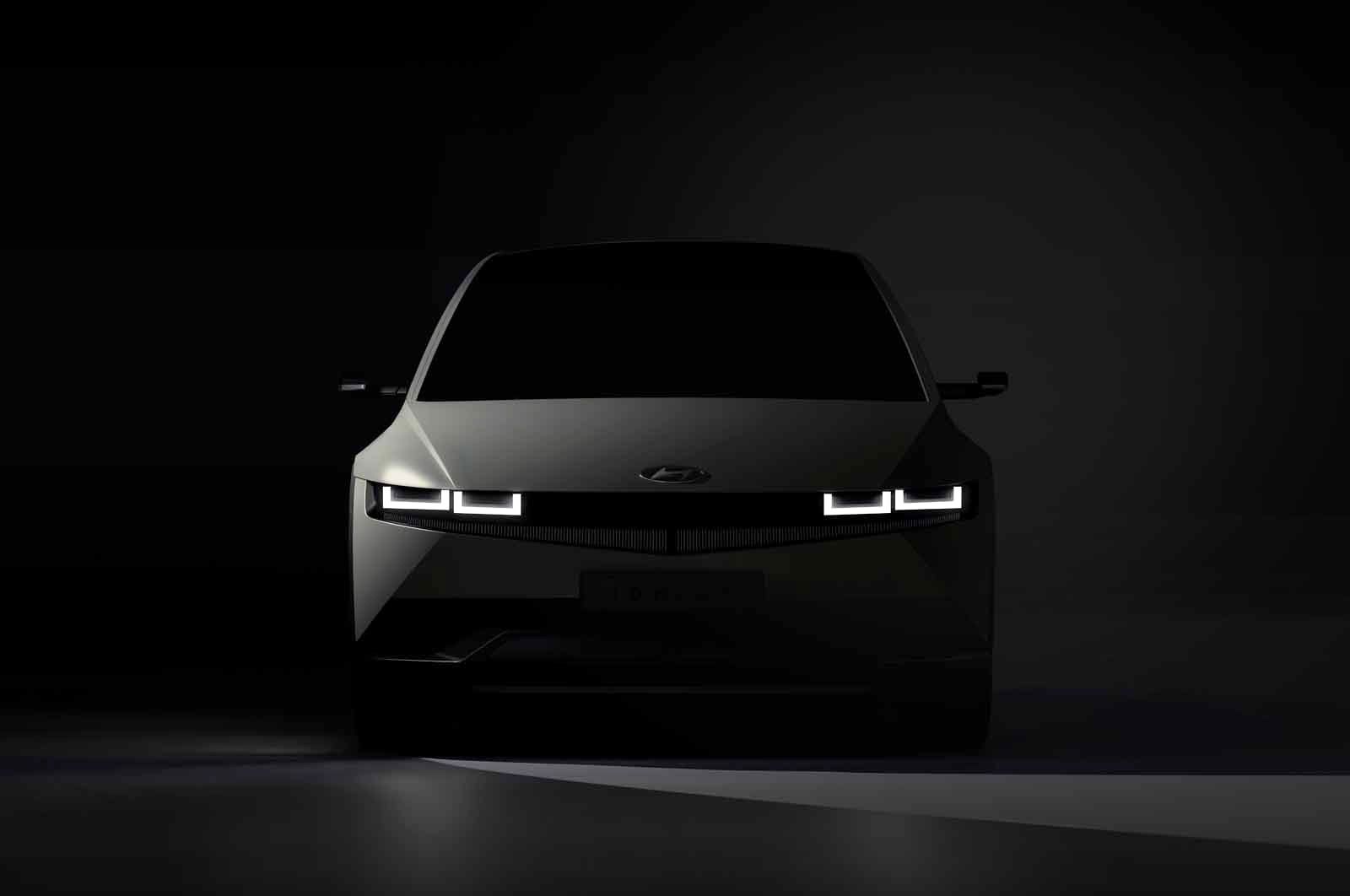
2. Hyundai Ioniq: Rapid Charge Time
The Ioniq lineup is uniquely flexible — it offers hybrid, plug-in hybrid and full EVs. This selection lowers the barrier for drivers who want to transition gradually to alternatively powered vehicles. The Iconiq 9 SUV charges to 80% in 24 minutes, reducing power consumption. Hyundai’s approach considers drivers who are hesitant to switch to a full EV right away while still driving toward lower emissions.
3. Kia Niro: Practical Crossover Styling
The Kia Niro’s hybrid crossover design fits sustainability into everyday life. It balances fuel efficiency, at 53 miles per gallon, with ample cabin space and a practical design, making it family-friendly. The appeal comes from the vehicle’s normal appearance, as it does not look or feel experimental, which helps promote lower-emission driving to those who might otherwise hesitate to switch to an EV. The Niro also features regenerative braking, which recharges the battery by reabsorbing energy.

4. BMW i3: Carbon Fiber Body
The BMW i3 took risks that many automakers avoided. It used carbon fiber reinforced plastic for a lighter body and incorporated recycled materials throughout the interior. The regenerative braking system pushed one-pedal driving into the mainstream. This feature improves power efficiency and changes how drivers interact with their car, turning energy recovery into a daily habit rather than a background function.

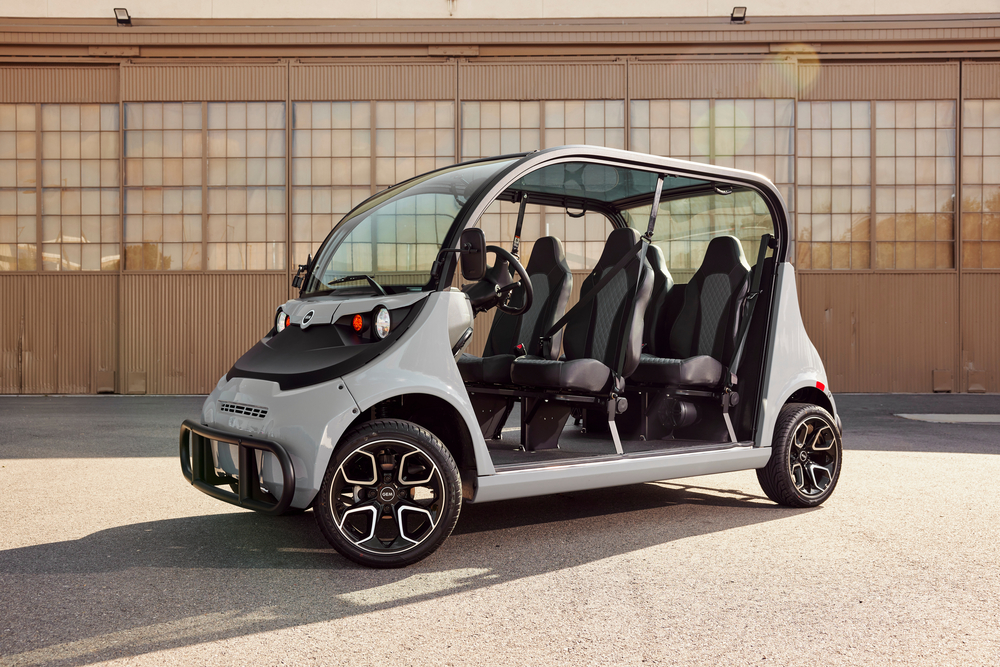
5. Polaris GEM Low-Speed Electric Vehicles: Compact Design
Polaris GEM operates in a different category of low-speed electric vehicles (LSEVs) designed for short-distance travel. They are fully electric, produce zero tailpipe emissions and are street legal on roads with lower speed limits. The Polaris GEM maxes out at 25 mph, but its convenient charging via a standard 110-volt outlet makes it a favored on-site travel partner.
The innovative vehicle’s value comes from right-sizing transport, as many daily trips do not require a full-size car or truck, yet people often use one anyway. The Polaris GEM is useful in campus areas, residential communities and industrial sites where short, frequent trips are common.
6. Aptera: Future-Forward Solar Design
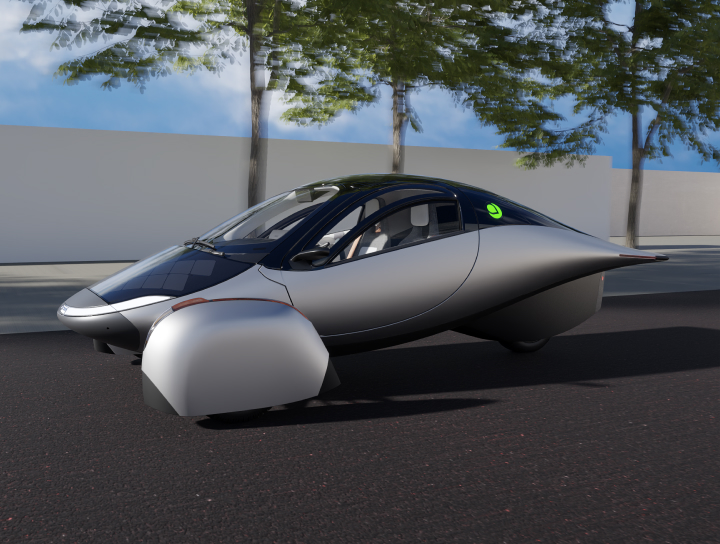
The Aptera represents a more radical vision. While it is still in development, demo models feature a three-wheeled design with extreme aerodynamics and integrated solar panels for what could be completely free driving.
Its efficiency pushes boundaries with the 700-watt solar cells, and in ideal conditions, solar charging alone can cover a large portion of daily driving energy needs. The design shifts the conversation from reducing energy use to generating it through solar mobility.
What Makes a Vehicle Sustainable
Sustainability is about more than switching to an EV, and these vehicles highlight a broader set of factors:
- Energy recovery: Regenerative braking reduces energy wastage.
- Material choices: Lightweight materials lower production impact.
- Battery life cycle: Continuous charging from regenerative systems maintains battery life by reducing overusage.
- Purpose-built designs: Smaller or specialized vehicles reduce unnecessary resource use.
What Automakers Can Learn
These vehicles show that there are many paths to progress. Performance, accessibility and efficiency all play a role, but the most important lesson centers on fit. Vehicles work best when they match real-world use. A high-performance sedan changes perception, a hybrid crossover supports everyday needs, and a compact low-speed vehicle handles short trips more efficiently.
The future of transport likely depends on this mix, and instead of one solution replacing another, a range of designs will serve different purposes. That shift could reduce waste, improve efficiency and make sustainable choices easier to adopt in daily driving.
