
So you want to do your bit for the environment and get an electric vehicle. That’s great. But you should be aware there are some concerning emerging EV issues that are rearing their heads now.
From more weight on tyres, to recycling issues, some of these may make you think twice.
Battery Life and Range Anxiety
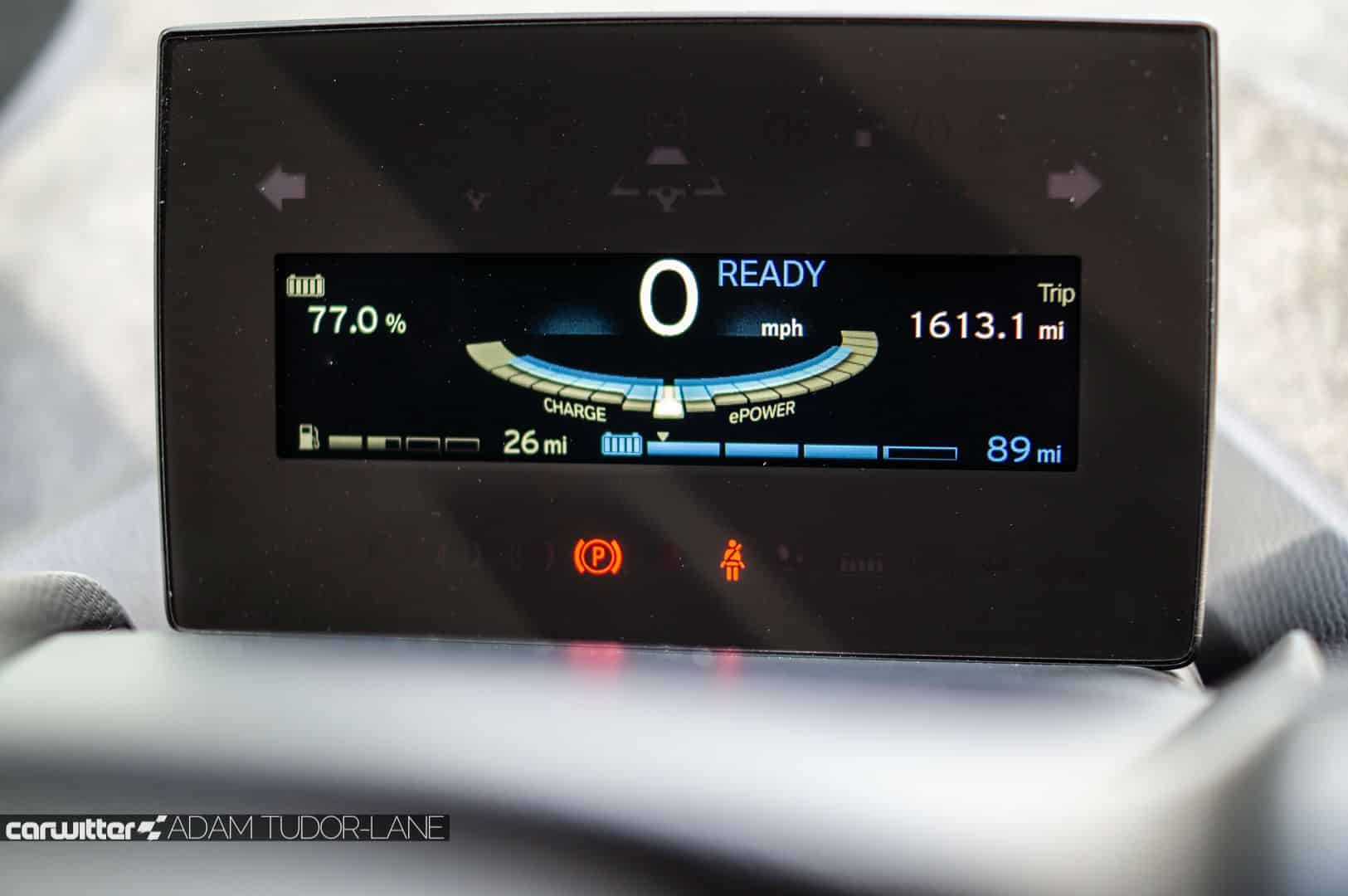
The average range of an electric car is around 300 miles. But this depends on many factors such as the battery age, model and weight of the car. Because of this, an emerging issue is range anxiety. As if you don’t have enough to worry about with blown tyres, accidents and bad drivers, now there may not be enough juice in the battery! However, only around 41% of EV owners report range issues, despite 76% of future EV owners worrying about range problems.
More Weight on the Tyres
Tyres are a vital part of any vehicle. They help you control what you are driving, keep you safe with grip and allow you to enjoy a smoother ride. However, an EV has around 30% more pressure on the tyres than an ICE vehicle because of the weight of the battery. This means your tyres will become more worn and more torn than a comparative combustion vehicle, and probably faster too! So maybe it’s best to have a mobile tyre fitting service on call just in case.
Emerging EV Issues with Infrastructure
Any country looking to level up its EV infrastructure needs to be willing to invest a significant amount of public spending on it. According to the Competition Markets Authority (CMA), by 2030, the UK will need up to 480,000 new charging points if government Net Zero targets are to be reached. With a government budget of £200 million for two years and one public charging station costing around £100,000, it doesn’t take a genius to see something doesn’t add up!

Battery Recycling Problems
Most people buy an EV because they are marketed as less-polluting. But this isn’t really true. Only around 5% of electric vehicle batteries are recycled worldwide. According to the latest figures, China has the best EV recycling rate at over 500,000 metric tonnes, in contrast to the US’s 200,000. Also, making the batteries produces almost as much CO2 (16 metric tonnes) than the car saves (24). So you might as well burn your old rubber after a mobile tyre fitting!
No Standardised Charging Protocols
Charging is potentially becoming a disaster. Like mobile devices, there is no solid standardisation as of yet. Global figures suggest that there is around 1 EV charger for each vehicle. Level 1 and Level 2 charging use the same connections. However, Level 3 fast charging is all over the place. And DC fast charging is not standardised. For example, Tesla requires an updated connector for Supercharger stations, and Nissan uses NACS plugs.

Summary
Battery life and range anxiety are some of the top emerging EV issues that pose severe threats to owners today. Additionally, most countries, like the UK, don’t have the necessary supporting infrastructure, and manufacturers have yet to decide on charger connection standardisation.
