Learning to drive is exciting but also daunting. The key is focusing on the basics, staying calm, and gaining good driving habits. This page shares four essential road safety tips for beginner drivers, but it is best to consult with an attorney if you are involved in a car accident.
According to the King Law Firm, you may be entitled to compensation for medical costs, lost income, vehicle repair costs, mental distress, and other expenses resulting from the car accident.

Maintain a Safe Speed
Maintaining a safe speed is essential for drivers of all levels of experience. However, it is even more crucial for beginner drivers. Most roads have posted speed limits for driving under normal conditions. Not only is speeding illegal, but it also increases your risk of losing control of your vehicle or causing significant damage to yourself and others on the road.
As beginner drivers get used to different driving aspects, maintaining a safe speed will give them enough time to react to changes in traffic. Keep in mind that driving too slowly can also be dangerous. According to an Institute of Transportation Engineers study, driving ten mph slower than regular traffic is six times more likely to result in an accident.
Use The Rear-View Mirrors
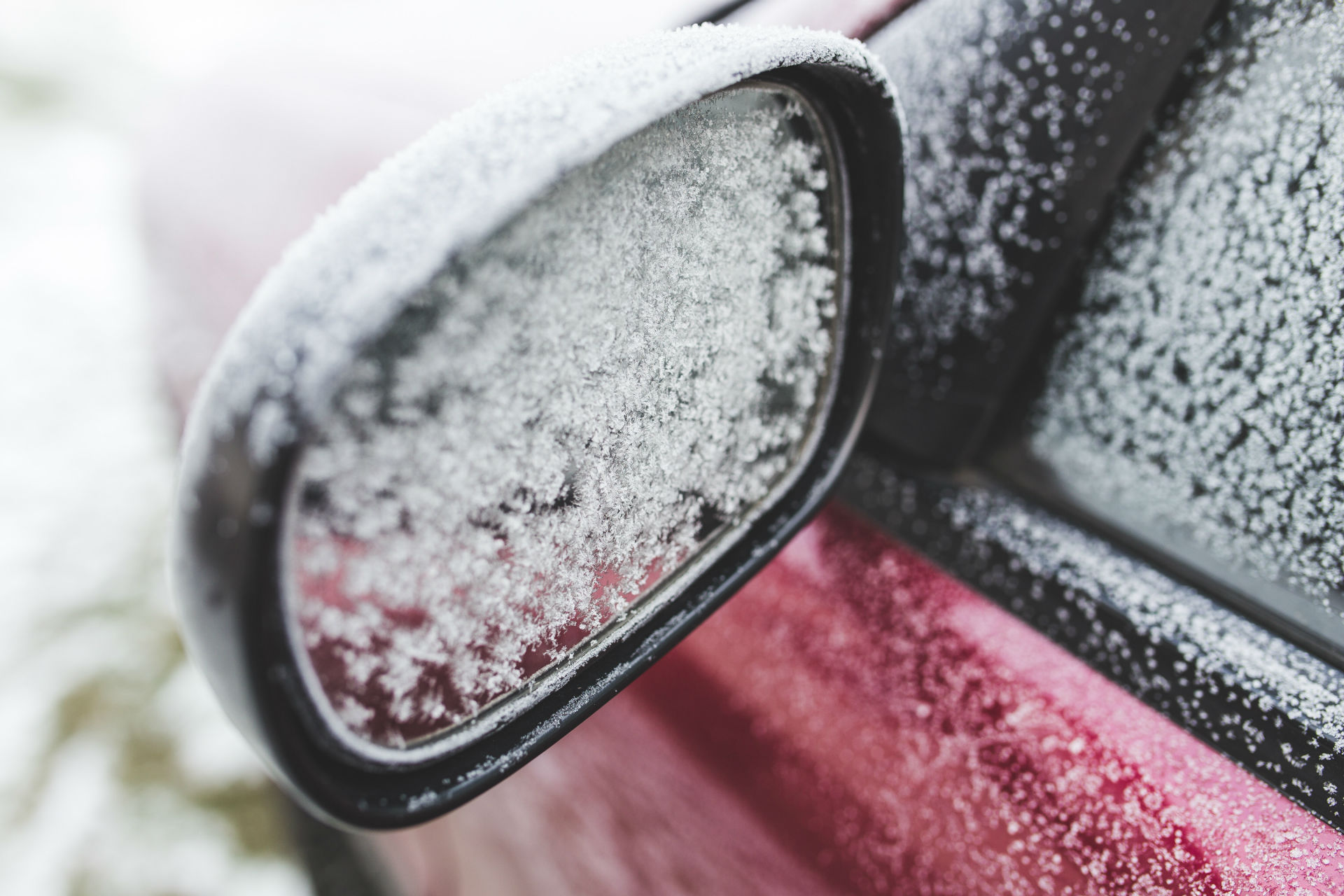
As a beginner driver, you need to get used to plenty of things. One of these things is to use your vehicle’s side view and rearview mirrors. These mirrors are your guide to your vehicle’s surroundings and are essential to safe driving. In addition, getting into the habit of checking mirrors helps establish a solid foundation for a technically sound driver.
As a starting point, you need to adjust the mirrors to have a good view. Next, you must get into the habit of checking the mirrors when you are changing lanes, making a turn, braking, leaving your vehicle, overtaking, and several other driving maneuvers.
Communicate Effectively
As a driver, you have a few tools to communicate with other drivers. One of the tools is the indicator, aka the blinker, which you must use every time you turn, change lanes, leave a roundabout, pull over, and perform other driving maneuvers. You can turn on both blinkers to let other drivers know that you have an emergency, such as making a sudden stop on the road or driving in low visibility.
You also have your headlights and horn as communication tools, but you should use them sparingly. A horn should only be used when it is necessary to ensure the safe operation of your vehicle, such as alerting another vehicle that may be about to hit you.

Adjust According to the Road Conditions
Beyond following traffic laws such as speed limits, you should also adjust your driving behavior according to road conditions. For example, if there is inclement weather, such as rain or snow, you may need to reduce your speed. Speed limits are meant for normal weather conditions, but following that limit can be dangerous when conditions change.
Similarly, when there is low visibility on the road, you need to leave extra distance between you and the vehicle ahead of you to allow enough space for sudden stops. There are no set rules or standards on what speed limit you should follow or how much distance you should leave when conditions change. You will need to use your best judgment to determine how to adjust your driving behavior.
Contact a Car Accident Attorney If You Get Into an Accident
If you have been involved in a car accident, whether with another vehicle, bicycle, pedestrian, or a solo crash, it is best to contact a car accident attorney to maximize your insurance claim. If you need to take your car accident case to court, an attorney can guide you to the best legal action.